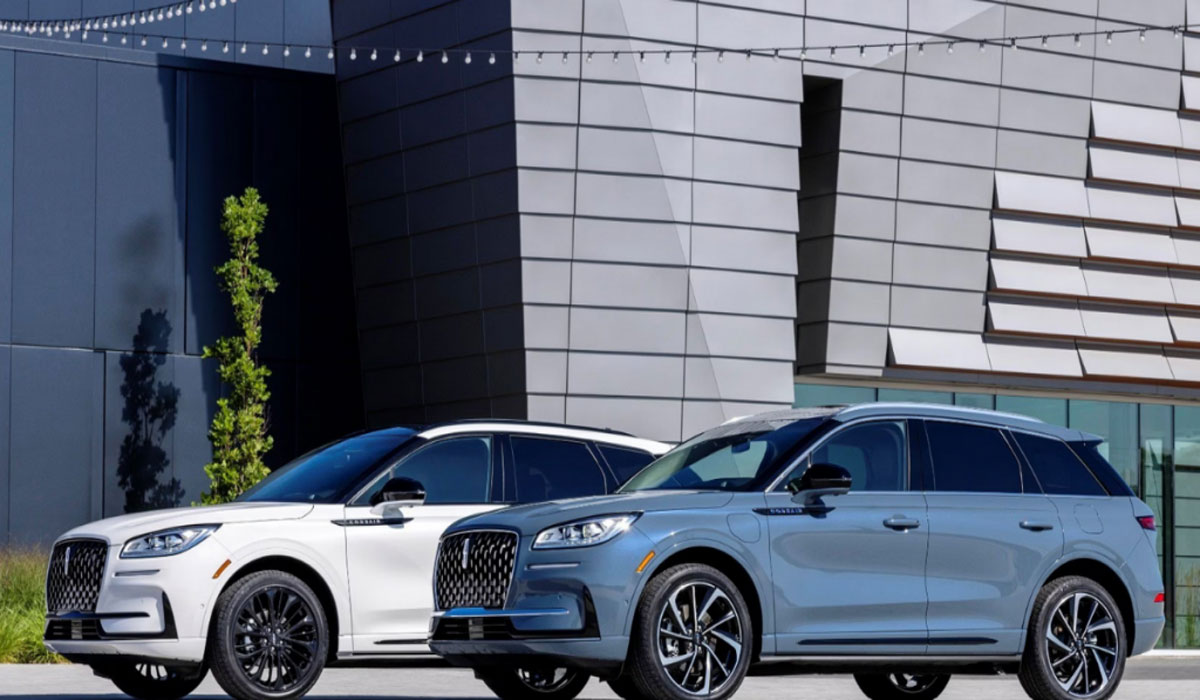
Hybrid Vehicle Innovation: A Smart Solution for Modern Mobility
Discover how hybrid vehicle innovations improve fuel efficiency, reduce emissions, and offer practical solutions for modern transportation.
Hybrid vehicles have become a major breakthrough in the automotive world, offering a balance between traditional fuel-powered engines and electric power. As cities grow and environmental concerns grow, people are seeking smarter, more efficient, and more environmentally friendly mobility solutions.
Here The Green Motorist will answer the demand by combining innovation with practicality, making it an increasingly popular choice among modern drivers.
Understanding How Hybrid Vehicles Work
Hybrid vehicles operate by combining two power sources: an internal combustion engine and an electric motor. This dual system allows the vehicle to switch between power sources or use both simultaneously, depending on driving conditions. For example, at low speeds, the electric motor may take over, reducing fuel consumption and emissions.
The system is designed to maximize efficiency without sacrificing performance. When accelerating or driving uphill, the gasoline engine supports the electric motor, ensuring smooth and powerful operation. This intelligent coordination is what makes hybrid vehicles stand out compared to conventional cars.
Benefits of Hybrid Vehicles for Daily Use
One of the biggest advantages of hybrid vehicles is fuel efficiency. By relying partially on electric power, these vehicles consume less gasoline compared to traditional cars. This not only reduces fuel costs but also decreases dependence on fossil fuels.
In addition to saving money, hybrid vehicles produce fewer emissions. Lower carbon output means they are more environmentally friendly, contributing to cleaner air and reduced pollution. This is particularly important in densely populated cities where air quality is a major concern.
Also Read: Hybrid Vehicles: A Smart Solution for Eco-Friendly Transportation
Challenges and Limitations to Consider
Despite their many advantages, hybrid vehicles are not without challenges. One common concern is the higher initial purchase cost. Hybrid technology can make these vehicles more expensive than conventional cars, which may deter some buyers.
Maintenance and repair can also be more complex. Since hybrid vehicles use both electric and combustion systems, servicing them may require specialized knowledge and equipment. This can sometimes lead to higher maintenance costs.
Hybrid Vehicles in Sustainable Mobility
Hybrid vehicles play an important role in the transition toward sustainable transportation. They act as a bridge between conventional fuel-powered cars and fully electric vehicles, making it easier for consumers to adapt to new technology.
By reducing fuel consumption and emissions, hybrids contribute to environmental conservation efforts. They help lower greenhouse gas emissions, which are a major contributor to climate change. This makes them a valuable option for individuals who want to reduce their carbon footprint.
Future Trends in Hybrid Vehicle Technology
The future of hybrid vehicles looks promising, with continuous advancements in technology. Automakers are developing more efficient batteries, lighter materials, and smarter energy management systems to enhance performance. Plug-in hybrid vehicles are becoming increasingly popular.
These models allow drivers to charge the battery using an external power source, enabling longer electric-only driving distances. This further reduces fuel consumption and emissions. Artificial intelligence and smart systems are also being integrated into hybrid vehicles.
Conclusion
Hybrid vehicle innovation represents a smart and practical solution for modern mobility challenges. By combining fuel efficiency, reduced emissions, and advanced technology, hybrids offer a balanced approach to transportation.
Although there are some limitations to consider, their benefits far outweigh the drawbacks for many drivers. As technology continues to evolve, hybrid vehicles will play an increasingly important role in shaping a more sustainable and efficient future for transportation.
Image Source:
First Image from: www.linkedin.com
Second Image from: harrityllp.com