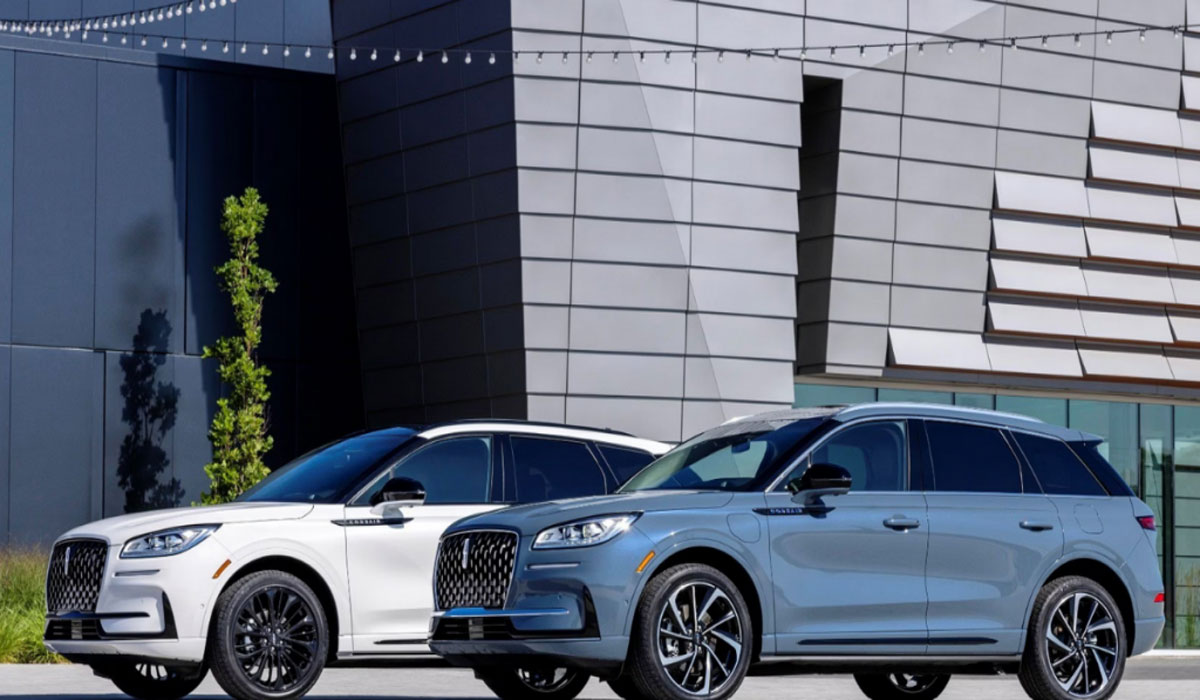
The Best Of Both Worlds: The Innovation Of Hybrid Vehicles
Hybrid vehicles represent a major milestone in the evolution of modern transportation by combining efficiency, innovation, and sustainability.
By combining a traditional internal combustion engine with an electric motor, they offer a balanced solution between performance, efficiency, and environmental responsibility. This dual-system approach allows drivers to enjoy the familiarity of gasoline engines while benefiting from the energy savings of electric power.
This The Green Motorist article explores how hybrid vehicles work, why they are important, and how they are shaping the future of transportation. It will also cover their advantages, limitations, and the role they play in reducing environmental impact.
How Hybrid Vehicles Work
Hybrid vehicles operate using two power sources: a gasoline engine and an electric motor. These systems work together or independently depending on driving conditions, speed, and energy demand. At low speeds or in traffic, the electric motor often takes over, reducing fuel consumption and emissions.
When more power is needed such as during acceleration or highway driving the gasoline engine activates or works alongside the electric motor. This seamless integration is managed by an onboard computer system that optimizes efficiency and performance in real time.
Types Of Hybrid Systems
There are several types of hybrid systems, each designed with different levels of electrification. The most common type is the parallel hybrid, where both the engine and electric motor can directly power the wheels. This design offers flexibility and efficiency across various driving conditions.
Another type is the series hybrid, where the gasoline engine does not directly drive the wheels but instead generates electricity for the electric motor. There are also plug-in hybrids, which feature larger batteries that can be charged externally, allowing for longer electric-only driving ranges.
Read Also: Exploring The Latest Innovations And Trends At International Motor Shows
The Role Of Regenerative Braking
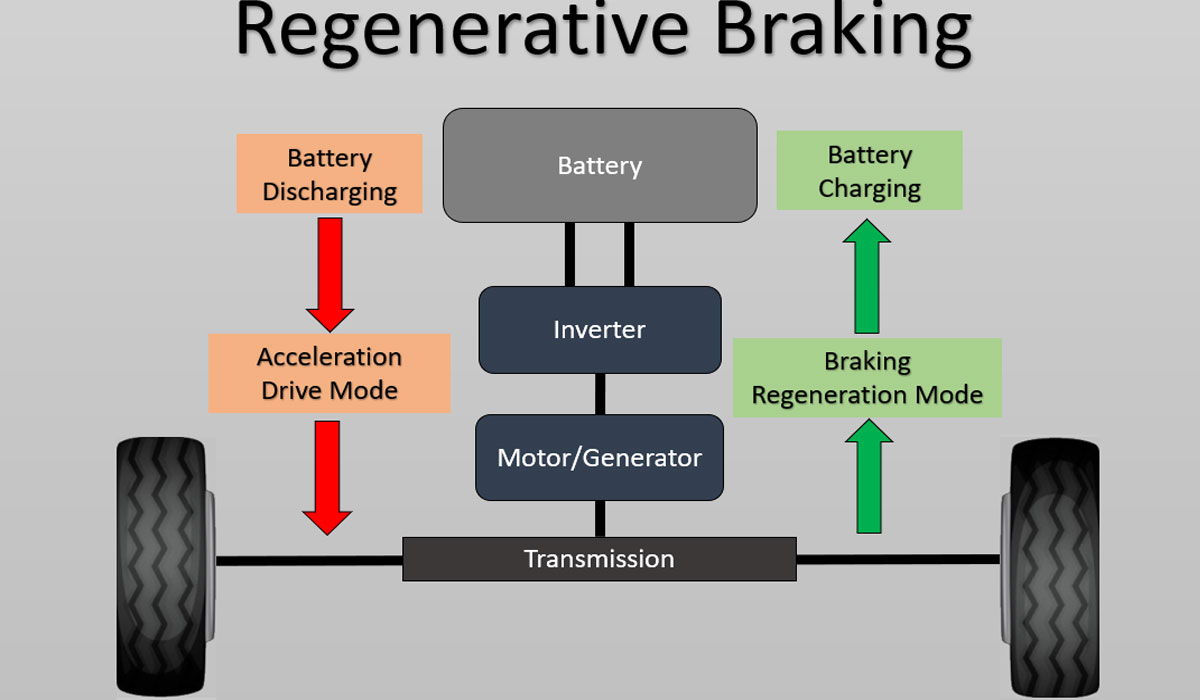
Regenerative braking is a key feature in hybrid technology. Instead of wasting energy during braking, the system captures kinetic energy and converts it into electricity, which is then stored in the battery.
This process not only improves energy efficiency but also extends the driving range of the electric motor. It is one of the most innovative aspects of hybrid systems, turning everyday driving actions into energy-saving opportunities.
Performance And Driving Experience
Hybrid vehicles are designed to deliver a smooth and quiet driving experience. The electric motor provides instant torque, which improves acceleration at low speeds. This makes city driving more responsive and efficient.
At higher speeds, the gasoline engine ensures consistent performance. The transition between electric and gasoline power is usually seamless, allowing drivers to enjoy a balanced and comfortable ride without noticeable interruptions.
Cost Considerations And Long-Term Value
While hybrid vehicles often have a higher initial purchase price compared to traditional cars, they can offer long-term savings through reduced fuel consumption and lower maintenance costs. The regenerative braking system, for example, reduces wear on brake components.
In many regions, governments also provide incentives such as tax credits or rebates for hybrid vehicle owners. These benefits can help offset the initial cost and make hybrids a more attractive investment over time.
The Future Of Hybrid Technology
Hybrid vehicles play an important role in the transition toward fully electric transportation. As battery technology continues to improve, future hybrids are expected to become even more efficient and capable of longer electric-only driving ranges.
Automakers are also exploring advanced hybrid systems that integrate artificial intelligence and smart energy management. These innovations aim to further optimize fuel usage and enhance overall driving performance.
Conclusion
Hybrid vehicles represent a powerful combination of traditional and modern automotive technology. By merging gasoline engines with electric motors, they offer improved efficiency, reduced emissions, and a smoother driving experience.
As the world moves toward more sustainable transportation solutions, hybrids continue to serve as a crucial bridge between conventional vehicles and a fully electric future.
Image Source:
First Image from lincolnofwindsor.com
Second Image from linkedin.com
