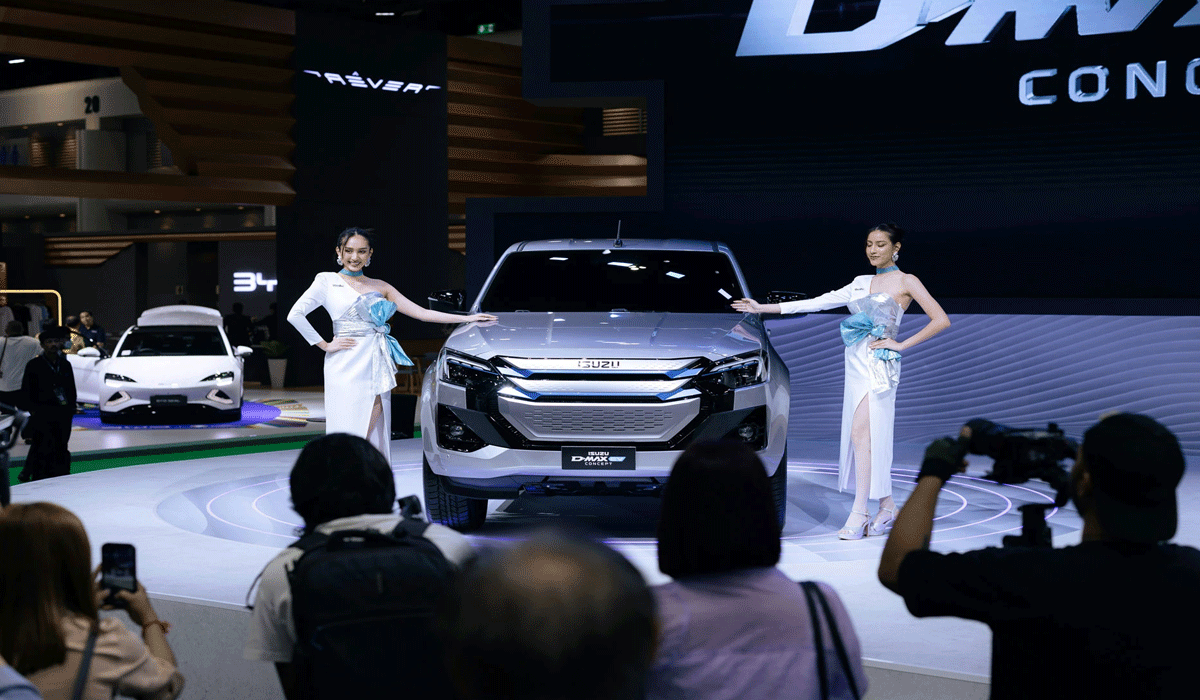
Concept Cars and Cutting-Edge Design Trends from the Motor Show
Motor shows have long served as global stages where automotive brands unveil their boldest ideas and technological breakthroughs.
Among the most anticipated highlights are concept cars, which push the boundaries of imagination and engineering. These vehicles are not just prototypes; they represent visions of the future, combining design experimentation with innovative features that may soon redefine mobility and driving experiences The Green Motorist.
The Rise of Futuristic Concept Cars
Concept cars today showcase increasingly bold and unconventional designs that break away from traditional automotive forms. Sharp lines, sculpted surfaces, and striking lighting signatures dominate the exterior. These design choices are meant to captivate audiences while hinting at future production models that could transform how vehicles look on the road.
Beyond aesthetics, many futuristic concept cars emphasize autonomy and intelligent systems. Advanced driver-assistance technologies are often integrated to demonstrate self-driving capabilities. These features reflect the industry’s ambition to create safer and more efficient transportation systems that reduce human error and enhance overall convenience.
Inside the cabin, designers are reimagining space and comfort. Interiors often feature lounge-like layouts, large digital displays, and minimal physical controls. This shift prioritizes user experience, turning the car into a multifunctional space for relaxation, work, or entertainment during travel.
Electric Vehicles Leading the Design Shift
Electric vehicles are significantly influencing modern automotive design trends. Without the constraints of traditional engines, designers gain flexibility in shaping both interior and exterior elements. This freedom leads to more innovative forms that prioritize efficiency and visual appeal.
The placement of battery packs allows for flat floors and expanded cabin space. Passengers benefit from improved legroom and a more open environment. This design evolution enhances comfort and aligns with the growing demand for practical yet futuristic vehicles.
Externally, electric vehicles often feature smooth, aerodynamic surfaces with minimal grille openings. The absence of large cooling systems enables cleaner front-end designs. These visual cues help distinguish electric cars from conventional vehicles and establish a new design language.
Also Read: Hybrid Vehicle Innovation: A Smart Solution for Modern Mobility
Sustainable Materials in Automotive Design
Sustainability has become a central theme in concept car development. Automakers are increasingly adopting eco-friendly materials such as recycled plastics, organic fibers, and biodegradable components. These materials reduce environmental impact while maintaining durability and visual appeal.
Lightweight materials also play a critical role in improving efficiency. By reducing overall vehicle weight, manufacturers can enhance energy consumption and performance. This is especially important for electric vehicles, where efficiency directly affects driving range.
Interior design reflects this sustainable approach as well. Synthetic alternatives to leather and environmentally responsible fabrics are widely used. These materials not only support ecological goals but also offer modern textures and aesthetics that appeal to contemporary consumers.
Advanced Technology Integration
Technology integration is at the heart of every concept car displayed at motor shows. Features such as augmented reality displays, voice-controlled systems, and AI-driven interfaces are becoming standard in futuristic designs. These technologies aim to create a seamless interaction between driver and vehicle.
Connectivity is another key focus. Vehicles are designed to communicate with external devices, enabling remote control and real-time data access. This connectivity enhances convenience and allows drivers to stay informed and connected at all times.
Safety technologies are also evolving rapidly. Sensors, cameras, and intelligent systems work together to monitor surroundings and assist drivers. These innovations contribute to accident prevention and demonstrate how technology can improve road safety significantly.
Aerodynamics and Performance Enhancements
Aerodynamics remains a crucial factor in concept car design. Engineers and designers collaborate to create shapes that minimize air resistance. Sleek profiles and carefully crafted contours help improve both speed and energy efficiency.
Active aerodynamic elements are becoming more common. Adjustable spoilers and air vents adapt to driving conditions, optimizing performance in real time. These features enhance stability and ensure better handling at various speeds.
Advanced simulation tools allow designers to test aerodynamic efficiency before physical production. This process ensures precision and reduces development time. The result is a vehicle that balances performance, efficiency, and visual appeal.
The Influence of Digital Design Tools
Digital tools have revolutionized the way vehicles are designed and developed. Modern software enables highly detailed modeling and rapid prototyping. Designers can experiment with multiple concepts quickly and refine ideas with greater accuracy.
Virtual reality is increasingly used to evaluate designs in immersive environments. This allows teams to experience the vehicle before it is built. Such tools help identify potential issues early and improve overall design quality.
Global collaboration has also improved through digital technologies. Design teams from different regions can work together seamlessly. This exchange of ideas fosters creativity and leads to more diverse and innovative automotive solutions.
Conclusion
Concept cars showcased at motor shows provide valuable insight into the future of automotive design and technology. They combine creativity, sustainability, and innovation to present new possibilities for mobility.
As these trends continue to evolve, they will influence production vehicles and reshape the driving experience. Motor shows remain essential in highlighting the direction of the automotive industry and inspiring the next generation of innovation.
Image Source:
First Image from: automotive.medcom.id
Second Image from: ohsbodyshop.com