
Hybrid Vehicles: A Smart Solution for Eco-Friendly Transportation
As environmental concerns continue to rise, the need for sustainable transportation solutions has become more urgent than ever.
Hybrid vehicles have emerged as a practical and efficient option, combining traditional internal combustion engines with electric power. This innovative technology not only reduces fuel consumption but also lowers harmful emissions.
As a result, hybrid cars are increasingly popular among individuals who want to contribute to a cleaner environment without sacrificing convenience and performance.
Understanding How Hybrid Vehicles Work
Hybrid vehicles operate using a combination of a gasoline engine and an electric motor. These two systems work together to optimize fuel efficiency and reduce emissions. The electric motor can power the car at low speeds, while the gasoline engine takes over during higher speeds or when additional power is needed.
This dual system allows hybrid vehicles to switch seamlessly between energy sources. In some cases, both the engine and motor work simultaneously to deliver better performance. This intelligent energy management is what makes hybrid vehicles more efficient than traditional cars.
Environmental Benefits of Hybrid Cars
One of the biggest advantages of hybrid vehicles is their positive impact on the environment. By relying partially on electric power, these cars produce fewer greenhouse gas emissions compared to conventional vehicles. This helps reduce air pollution and contributes to combating climate change.
Additionally, hybrid cars use regenerative braking systems that capture energy usually lost during braking. This energy is then stored and reused, improving overall efficiency. As a result, hybrids not only reduce emissions but also make better use of available energy resources.
Fuel Efficiency and Cost Savings
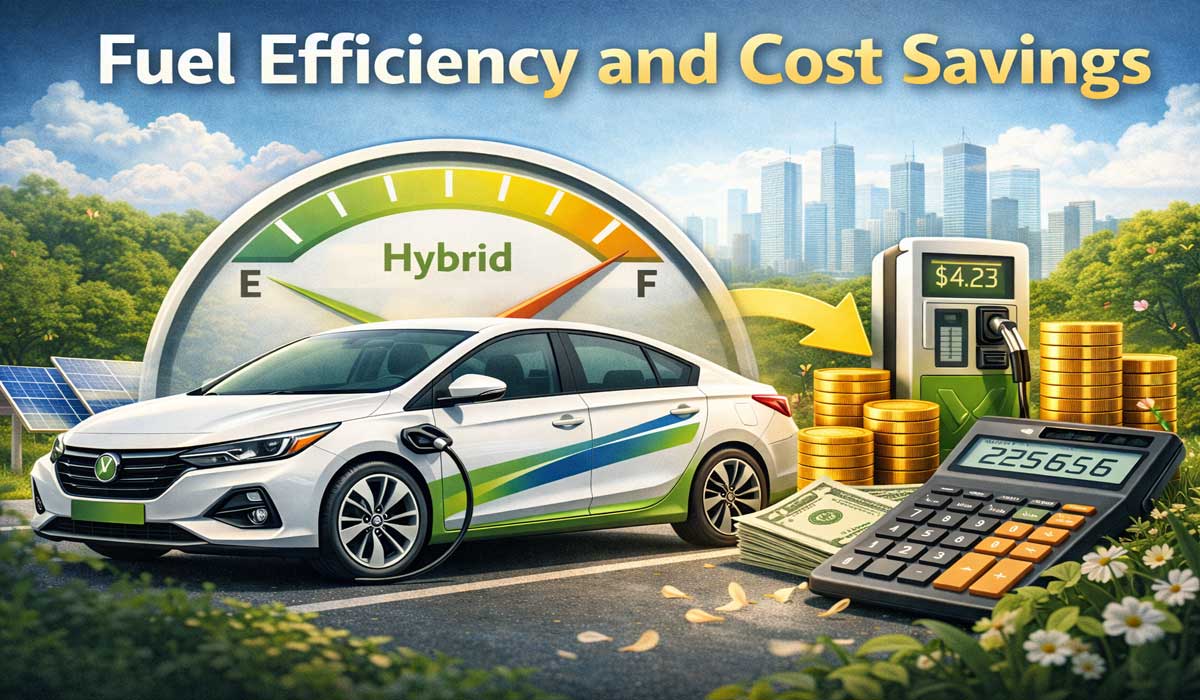
Hybrid vehicles are well-known for their excellent fuel efficiency. By combining electric and gasoline power, they consume less fuel, especially in city driving conditions where stop-and-go traffic is common. This can lead to significant savings on fuel expenses over time.
Although the initial cost of hybrid cars may be higher, the long-term savings often outweigh the upfront investment. Lower fuel consumption and reduced maintenance costs make hybrids a financially smart choice for many drivers.
Read Also: The Future of Transportation Driven by Electric Vehicles
Technological Advancements in Hybrid Vehicles
Modern hybrid vehicles are equipped with advanced technologies that enhance performance and user experience. Features such as smart energy management systems, digital dashboards, and driver assistance tools make these vehicles more efficient and comfortable to drive.
Automakers continue to innovate by improving battery technology and increasing the electric driving range. These advancements are making hybrid vehicles more reliable and appealing to a broader range of consumers, further accelerating their adoption worldwide.
The Future of Hybrid Transportation
The future of transportation is increasingly focused on sustainability, and hybrid vehicles play a crucial role in this transition. As governments implement stricter emission regulations, the demand for eco-friendly vehicles continues to grow.
Hybrid technology is also seen as a stepping stone toward fully electric vehicles. It provides a balanced solution for those who are not yet ready to switch completely to electric cars. With continuous innovation and growing awareness, hybrid vehicles are expected to remain a key part of the global transportation landscape.
In conclusion, hybrid vehicles offer a smart and practical solution for eco-friendly transportation. By combining efficiency, reduced emissions, and advanced technology, they provide a balanced approach to modern mobility. As more people prioritize sustainability, hybrid cars will continue to play an important role in shaping a cleaner and greener future.