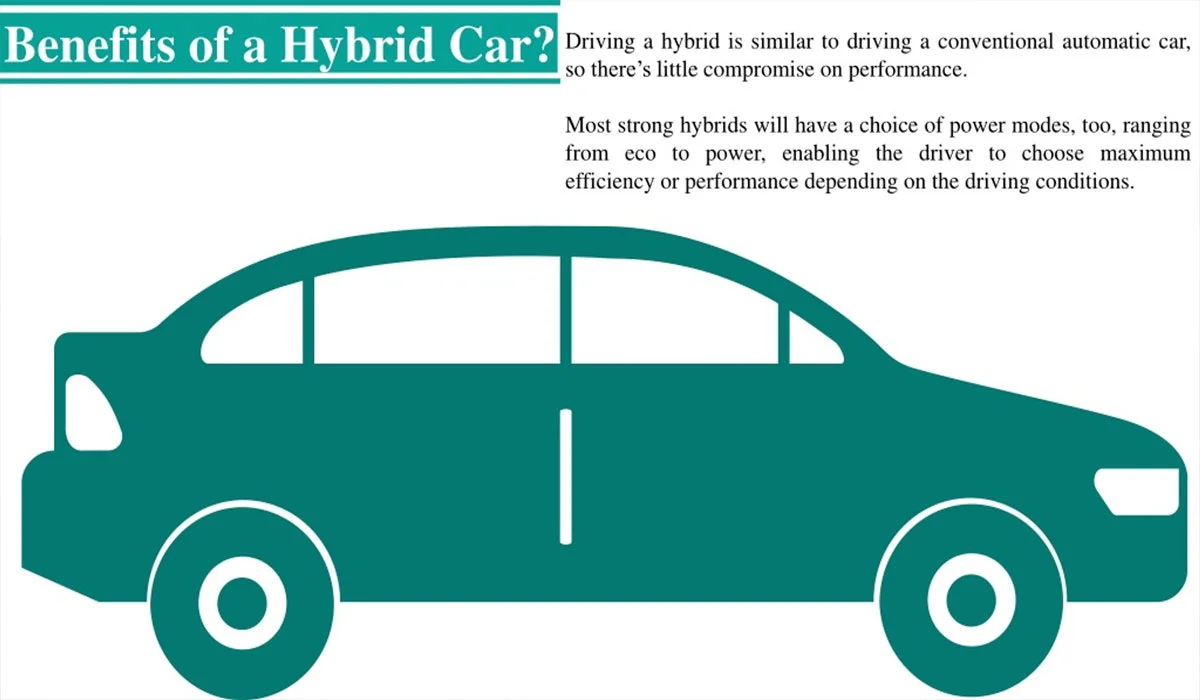
10 Advantages of Hybrid Vehicles That People Rarely Know
Discover the hidden benefits of energy-friendly vehicles through an in-depth review of efficient and cost-effective Hybrid Vehicles.
A hybrid vehicle is a type of vehicle that combines a gasoline engine and an electric motor to increase energy efficiency and reduce vehicle emissions. Below, The Green Motorist will discuss various important advantages that make energy-friendly vehicle technology increasingly interesting to understand in depth.
Higher Fuel Consumption Efficiency
One of the main advantages of environmentally friendly transportation technology lies in its significantly better fuel efficiency compared to conventionally powered vehicles. Hybrid vehicles utilize two different power sources a gasoline engine and an electric motor, allowing energy use to be more optimally tailored to travel needs.
When the vehicle is traveling at low speeds or in heavy traffic, the electric motor typically operates more effectively, significantly reducing fuel consumption. The gasoline engine only activates when additional power is needed, such as when overtaking or driving uphill.
This combination allows for more fuel efficiency without compromising overall vehicle performance. On long-distance trips, this technology also helps maintain stable energy efficiency. As a result, fuel costs can be significantly reduced in the long term while providing a more comfortable and efficient driving experience.
Lower Exhaust Emissions
Environmentally friendly technology in the transportation sector continues to develop to reduce the impact of air pollution from motor vehicles. One of the most effective approaches is the use of dual-drive systems, such as those used in Hybrid Vehicles.
With an electric motor that can operate independently under certain conditions, exhaust emissions from fuel combustion can be significantly reduced. When the vehicle is moving at low speeds, the electric motor can replace the gasoline engine, eliminating the carbon emissions it normally produces.
Furthermore, the energy management system in this technology is designed to maximize combustion efficiency when the gasoline engine is used. As a result, the amount of pollutants such as carbon dioxide and nitrogen oxides is lower than in conventional vehicles. This reduced emissions positively contributes to air quality in urban environments while supporting global efforts to gradually mitigate the impacts of climate change.
Also Read: Increasingly efficient electric vehicle battery technology
Intelligent Regenerative Braking System
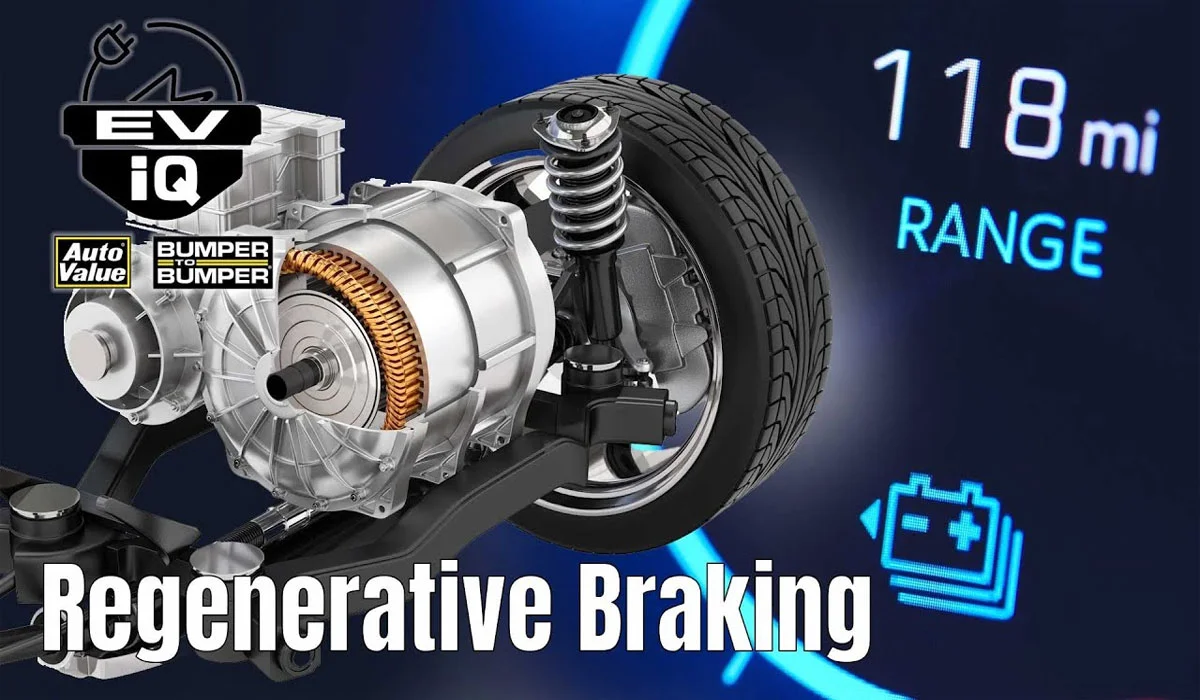
Another often overlooked advantage is regenerative braking technology, which converts wasted energy into reusable energy. In hybrid vehicles, this system works by converting kinetic energy during braking into electrical energy.
The system then stores this energy back in the battery for use when the vehicle requires additional power. This technology improves vehicle energy efficiency because it recovers some of the energy normally lost during braking. In addition to increasing efficiency, the regenerative system also helps extend the life of braking components by reducing the need for mechanical brakes.
In everyday use, drivers can experience smoother and more stable deceleration. The combination of energy savings and increased component durability makes this technology a key innovation in the development of energy-efficient vehicles, which are increasingly popular among a wide range of consumers.
More Efficient Engine Maintenance
Vehicle maintenance costs are often an important consideration before choosing a particular vehicle. Interestingly, the operating system of a hybrid vehicle can actually help reduce the workload on the gasoline engine, thus reducing the potential for component wear.
This occurs because the gasoline engine isn’t constantly running throughout the journey. Under certain conditions, the electric motor takes over some of the vehicle’s propulsion tasks, allowing the gasoline engine to rest. This alternating operating pattern helps maintain stable engine temperatures. And reduces stress on internal components such as the pistons and combustion system.
Furthermore, hybrid vehicles typically use energy management technology equipped with an intelligent monitoring system to optimize engine performance. This more efficient operation allows manufacturers or users to extend maintenance intervals compared to conventional vehicles. In the long run, this helps save maintenance costs while maintaining optimal vehicle performance for years to come.
A Smoother and Quieter Driving Experience
Besides energy efficiency, driving comfort is also an added value of partially electric vehicle technology. The drivetrain in a hybrid vehicle allows the vehicle to move using an electric motor that produces virtually no noise. When the vehicle starts from a stop, the electric motor typically becomes the primary power source, resulting in a quieter ride. This provides a much more comfortable driving experience, especially in high-noise urban environments.
The transition between the electric motor and the gasoline engine is also designed to be smooth, so the driver doesn’t feel a sudden change in power. Advanced electronic control technology ensures both power systems work in sync according to the journey’s needs. As a result, the vehicle delivers stable acceleration, a quieter engine. And increased comfort for both driver and passengers during the journey.
mage information:
First Image from: www.slideserve.com
Second Image from: www.shopownermag.com