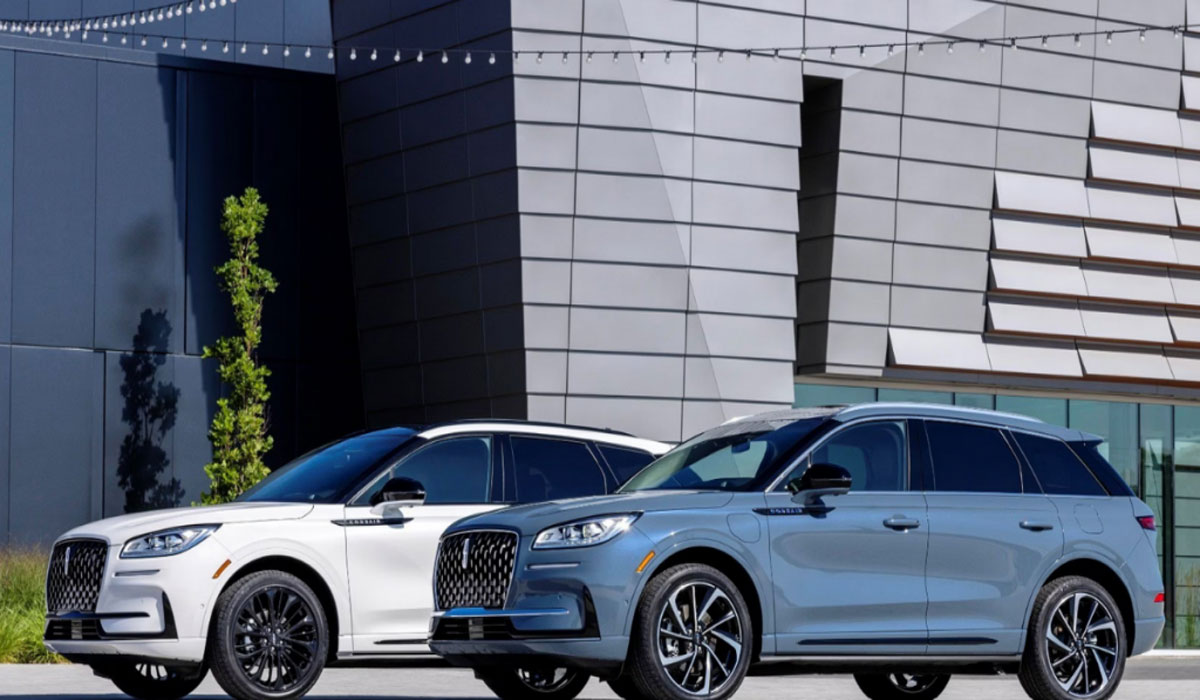
Understanding Hybrid Vehicles And Their Role In Modern Mobility
As the world faces increasing environmental challenges and rising fuel costs, the need for cleaner and more efficient transportation has never been greater.
Rapid urbanization and population growth continue to strain traditional mobility systems, pushing societies to seek sustainable alternatives. In this evolving landscape, hybrid vehicles have emerged as a practical and forward-thinking solution that bridges the gap between conventional gasoline-powered cars and fully electric vehicles. The following will The Green Motorist discuss Understanding Hybrid Vehicles and Their Role in Modern Mobility.
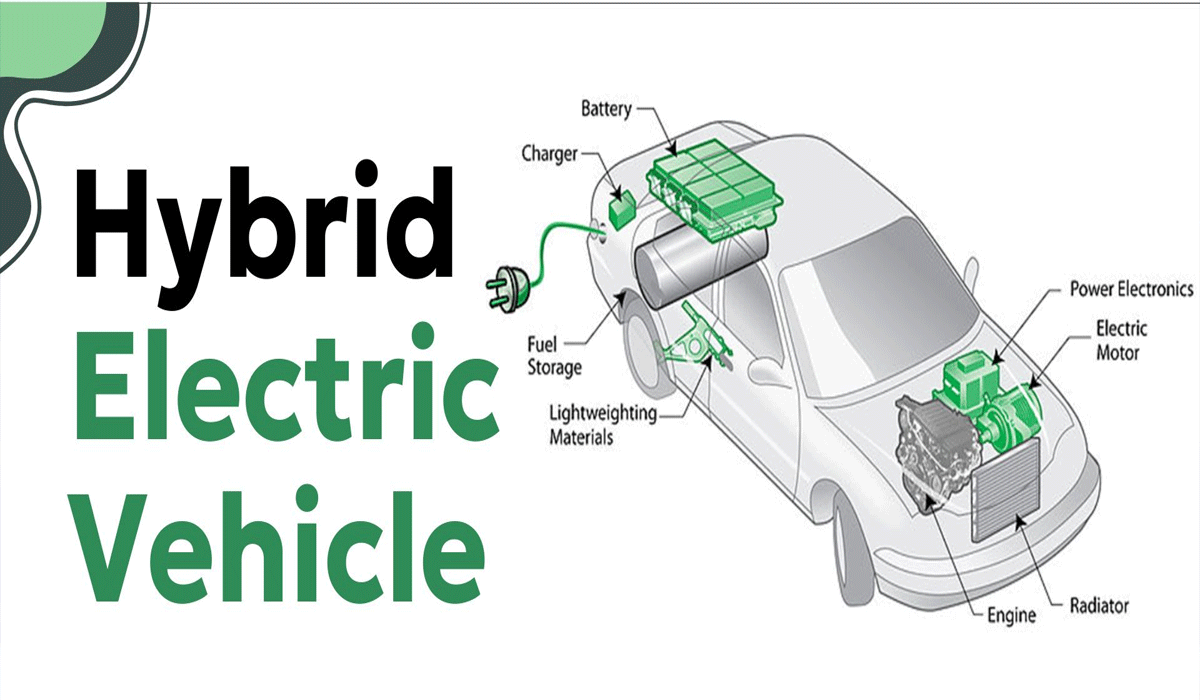
Hybrid vehicles combine internal combustion engines with electric motors, creating a dual-power system that enhances efficiency while reducing emissions. This innovative approach not only helps lower environmental impact but also offers drivers a balance of performance and reliability. As technology advances, hybrid vehicles are becoming a key component in shaping the future of modern mobility.
What Are Hybrid Vehicles
Hybrid vehicles are designed to operate using two or more sources of power, most commonly a gasoline engine paired with an electric motor. These systems work together intelligently to deliver optimal performance depending on driving conditions. For instance, the electric motor is typically used during low-speed driving, while the gasoline engine activates when additional power is needed.
There are several types of hybrid vehicles available in the market today. Full hybrids can operate independently using either the engine or the electric motor, while mild hybrids provide limited electric assistance. Plug-in hybrids offer a more advanced option, allowing drivers to recharge the battery externally and drive longer distances using electric power alone. This variety makes hybrid technology adaptable to different lifestyles and driving needs.
How Hybrid Technology Works
The effectiveness of hybrid vehicles lies in their ability to seamlessly switch between energy sources. Advanced onboard systems continuously monitor speed, load, and driving conditions to determine the most efficient way to operate. In stop-and-go traffic, the electric motor often takes the lead, helping reduce fuel consumption and emissions.
A key feature of hybrid systems is regenerative braking. This technology captures energy that would otherwise be lost during braking and converts it into electricity to recharge the battery. By reusing energy in this way, hybrid vehicles maximize efficiency and minimize fuel dependency, making them a smart and sustainable transportation option.
Environmental Benefits Of Hybrid Vehicles
One of the biggest advantages of hybrid vehicles is their positive impact on the environment. By consuming less fuel, they produce fewer greenhouse gas emissions compared to traditional vehicles. This reduction plays an important role in improving air quality and combating climate change.
In addition to lower emissions, hybrid vehicles also contribute to reduced noise pollution. When operating in electric mode, they run more quietly than conventional cars. This creates a more peaceful urban environment, which is especially valuable in densely populated cities.
Also Read: Driving Tomorrow Today at the International Motor Show
Economic Advantages For Drivers
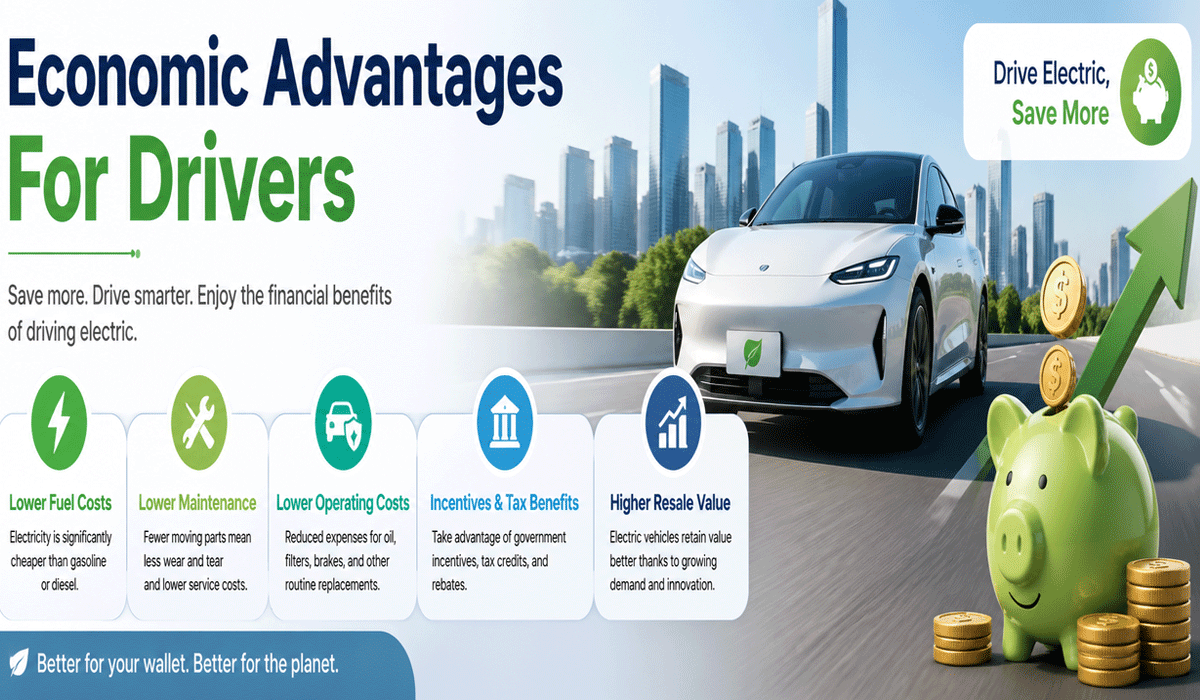
Hybrid vehicles offer several financial benefits that appeal to a wide range of consumers. Although the upfront cost may be higher than standard vehicles, the long-term savings on fuel can be substantial. With fluctuating fuel prices, improved fuel efficiency becomes a major advantage for everyday use.
Maintenance costs can also be lower over time. Regenerative braking reduces wear on brake components, and the dual-power system can lessen strain on the engine. Additionally, many governments offer incentives such as tax reductions or rebates, making hybrid vehicles more affordable and attractive to buyers.
The Role Of Hybrids In Modern Mobility
Hybrid vehicles play a crucial role in the transition toward more sustainable transportation systems. They act as a bridge for individuals who are not yet ready to fully commit to electric vehicles, offering a balance between traditional and modern technology.
As electric vehicle infrastructure continues to expand, hybrids remain a reliable option in areas where charging facilities are still limited. Their flexibility, efficiency, and environmental benefits make them an essential part of the current mobility ecosystem. In many ways, hybrid vehicles represent a practical step toward a cleaner and more sustainable future.
Conclusion
Hybrid vehicles represent a significant advancement in automotive technology by combining efficiency, performance, and environmental responsibility. Their ability to reduce fuel consumption and emissions makes them a valuable solution to today’s transportation challenges.
Looking ahead, hybrid vehicles will continue to play an important role in modern mobility. As innovation progresses and awareness grows, they will remain a practical and effective choice for individuals seeking a smarter, more sustainable way to travel. Find fresh discoveries and premium updates, only available The Green Motorist.
Image Source From.
First Photo From: emobility.academy
Second Photo of: The Green Motorist