Why Hybrid Vehicles Could Change the Way We Drive
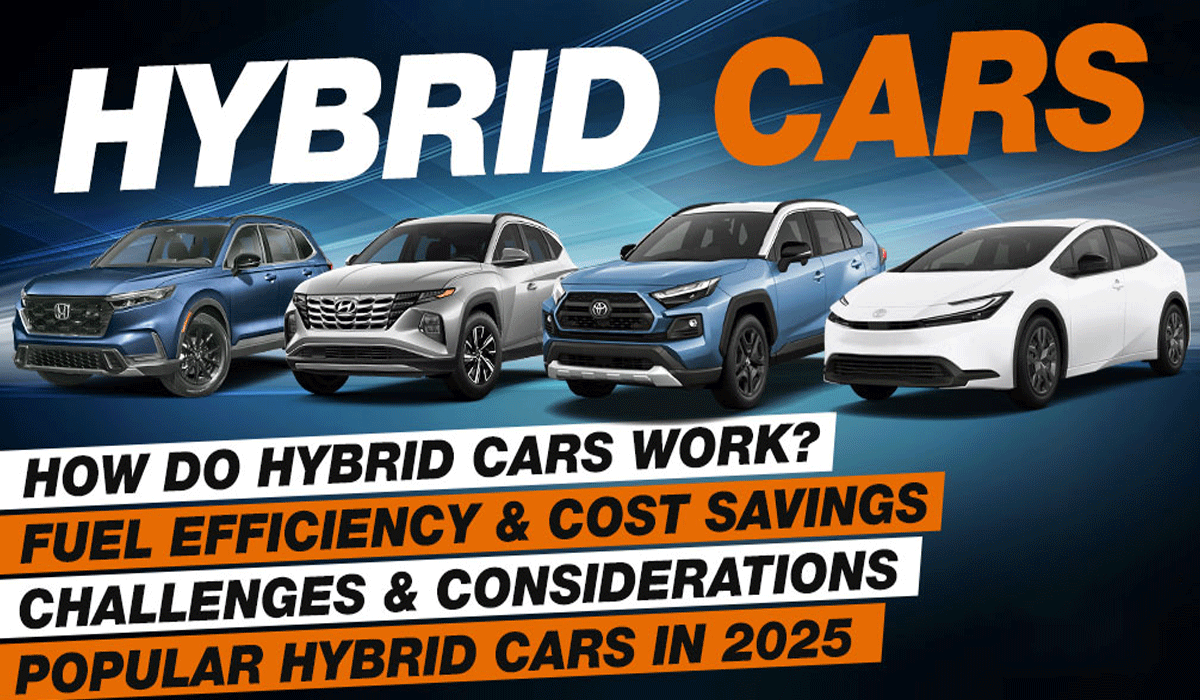
Hybrid vehicles are revolutionizing the way we drive, blending powerful engines with smart electric technology for an unmatched experience.
Imagine hitting the road with superior fuel efficiency, lower emissions, and cutting-edge performance all while embracing a greener lifestyle. This shift isn’t just about cars it’s about transforming how we think about transportation, energy, and the environment. Discover why vehicle hybrids are more than a trend they’re the future of driving, offering smarter, cleaner, and more exciting journeys on every road.
Enhanced Fuel Efficiency
One of the most compelling reasons hybrid vehicles could change driving habits is their superior fuel efficiency. Traditional cars rely solely on gasoline, which fluctuates in price and contributes to higher emissions. Hybrids, by contrast, use a combination of gasoline and electric power to optimize fuel usage.
For example, in stop-and-go traffic, the electric motor can take over, conserving gasoline. This encourages drivers to adopt more efficient driving practices, such as smoother acceleration and deceleration, which not only saves money but also reduces environmental impact.
Reduced Environmental Impact
Hybrid vehicles significantly reduce greenhouse gas emissions compared to conventional cars. By relying on electric power at low speeds and supplementing gasoline engines when needed, hybrids produce fewer pollutants per mile. This shift encourages drivers to become more aware of their carbon footprint.
Over time, the adoption of hybrids could lead to cleaner air in cities, reduced dependence on fossil fuels, and a more sustainable approach to personal transportation. As governments impose stricter emissions standards, hybrids could become a central part of meeting these environmental goals.
Also Read: The Thunder of Engines and Technology at the Biggest Motor Show of the Year
Technological Advancements In Driving Experience

Hybrid cars are not just about fuel savings they also incorporate advanced technologies that change how we interact with vehicles. Regenerative braking, for instance, recaptures energy typically lost during braking and stores it for later use, making driving more energy-efficient.
Additionally, many hybrids feature sophisticated energy management systems that provide real-time feedback on driving efficiency. These technological innovations could encourage drivers to adopt smarter driving habits and rethink their relationship with cars, transforming driving from a purely functional activity into a more thoughtful and sustainable experience.
Cost Considerations and Long-Term Savings
While hybrid vehicles often have higher upfront costs than traditional cars, they can lead to substantial long-term savings. Lower fuel consumption reduces monthly expenses, and many hybrids require less maintenance due to the reduced strain on the gasoline engine.
Incentives, such as tax credits and rebates, make hybrids even more appealing. As drivers recognize these financial benefits, they may shift their purchasing habits toward hybrid models, influencing the market and encouraging automakers to continue investing in hybrid technologies.
Shaping Urban Mobility
Hybrid vehicles have the potential to redefine urban mobility. Their reduced emissions make them ideal for cities with pollution concerns, while their efficiency makes them well-suited for congested traffic.
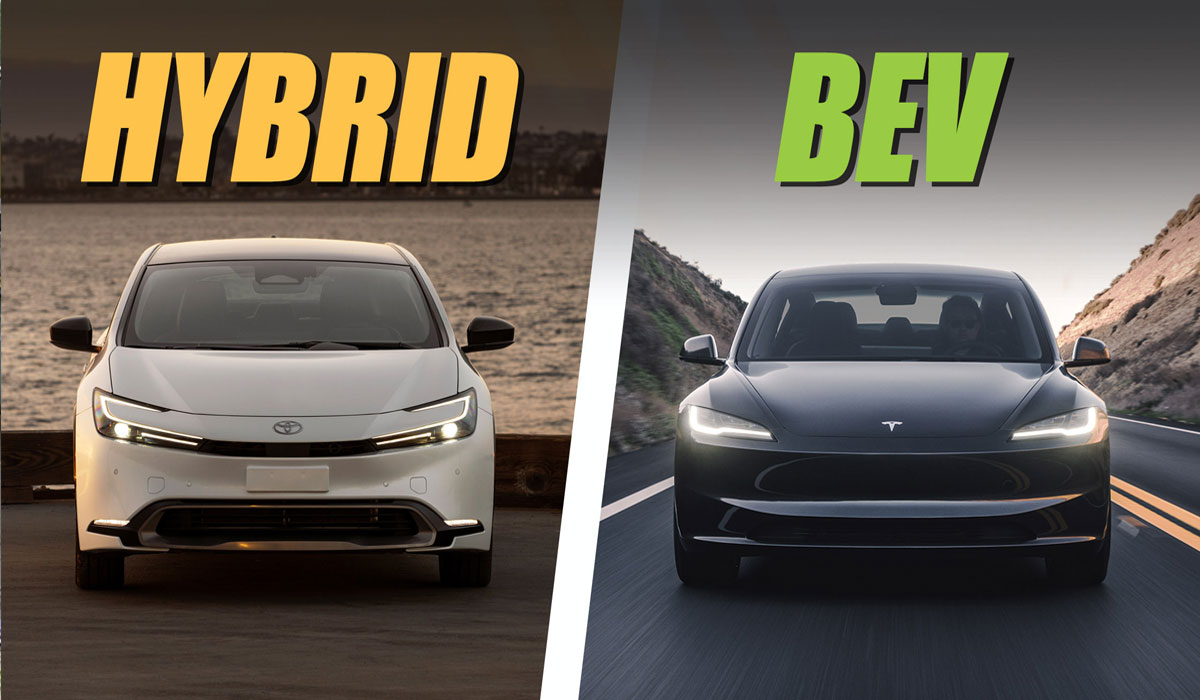
Furthermore, hybrid technology serves as a stepping stone toward fully electric transportation, helping cities gradually transition to cleaner mobility solutions. Over time, widespread adoption of hybrids could lead to quieter, cleaner, and more efficient urban environments, fundamentally changing the way we move through cities.
Hybrid vehicles represent more than a technological innovation they signify a shift in how we think about driving, fuel consumption, and environmental responsibility.
By combining fuel efficiency, reduced emissions, and advanced driving technologies, hybrids encourage smarter driving habits, cost savings, and sustainable urban mobility. As their popularity grows, hybrid vehicles could reshape our transportation landscape, proving that the way we drive today may look very different in the near future.