Hybrid Vehicles Explained Combining Gas and Electric Power
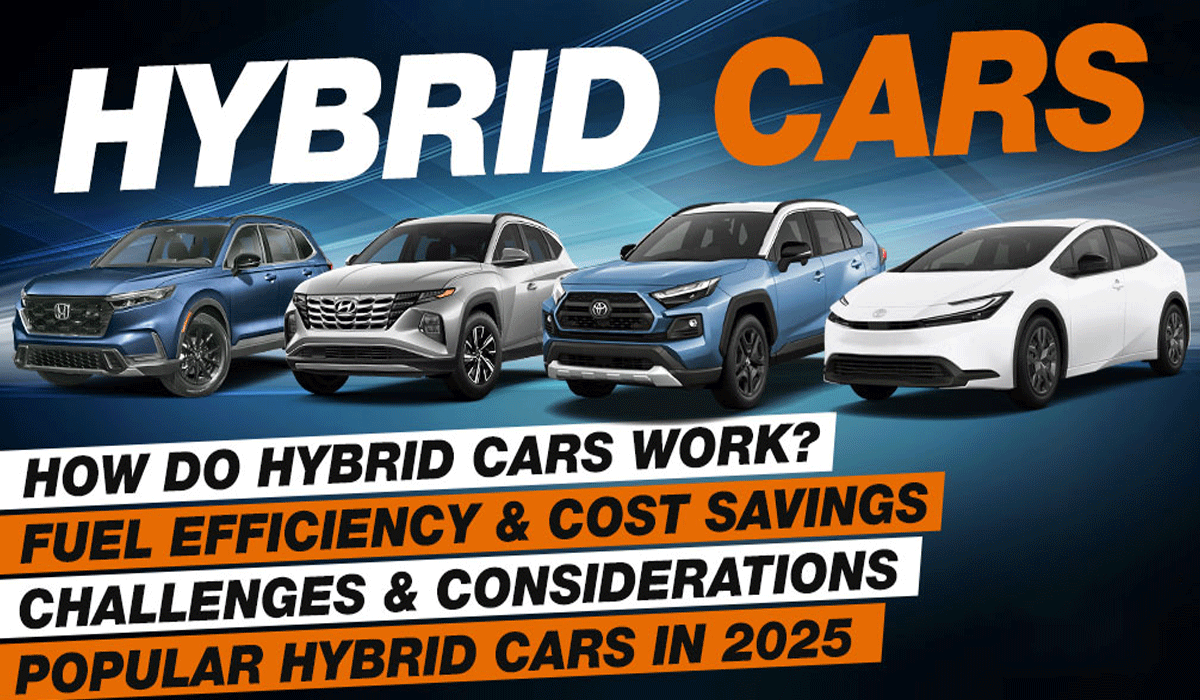
Hybrid vehicles combine gas and electric power, optimizing fuel efficiency and reducing emissions while providing smooth performance for everyday driving.
In an era where environmental awareness and energy efficiency are becoming more critical than ever, hybrid vehicles have emerged as a revolutionary solution in the automotive world. Combining the reliability of traditional gasoline engines with the innovation of electric power, these vehicles offer drivers a smarter, greener, and more efficient way to travel. Understanding how hybrid vehicles work can help us appreciate why they are becoming a cornerstone of sustainable transportation.
Below, TEACHING will provide some explanations regarding hybrid vehicles explained combining gas and electric power.
Understanding Hybrid Technology
Hybrid vehicles use a combination of an internal combustion engine and an electric motor to power the car. The electric motor often takes over at low speeds or during city driving, where it provides quiet and efficient operation. Meanwhile, the gasoline engine works during higher speeds or when more power is required, allowing the vehicle to maintain strong performance without compromising fuel efficiency.
This dual-power system is intelligently managed by onboard computers that determine the most efficient combination of gas and electric power for any driving situation. The result is a seamless driving experience that balances performance with environmental responsibility. Hybrid vehicles also often feature regenerative braking, which converts energy lost during braking into electricity to recharge the battery, further enhancing efficiency.
Benefits Of Hybrid Vehicles
One of the most obvious benefits of hybrid vehicles is their exceptional fuel efficiency. By using electric power for short trips and city driving, hybrids reduce fuel consumption compared to traditional gasoline-only vehicles. This not only saves money at the pump but also reduces the demand for fossil fuels, contributing to a greener planet.
Another significant advantage is lower emissions. Since the vehicle can rely on electric power for portions of the drive, it produces fewer greenhouse gases, helping combat air pollution and climate change. Hybrids also offer a quieter, smoother driving experience due to the electric motor’s near-silent operation, making urban driving more pleasant and reducing noise pollution.
Read Also: The Future of Vehicles: Advantages and Challenges of Hybrid Cars
Common Types Of Hybrid Vehicles
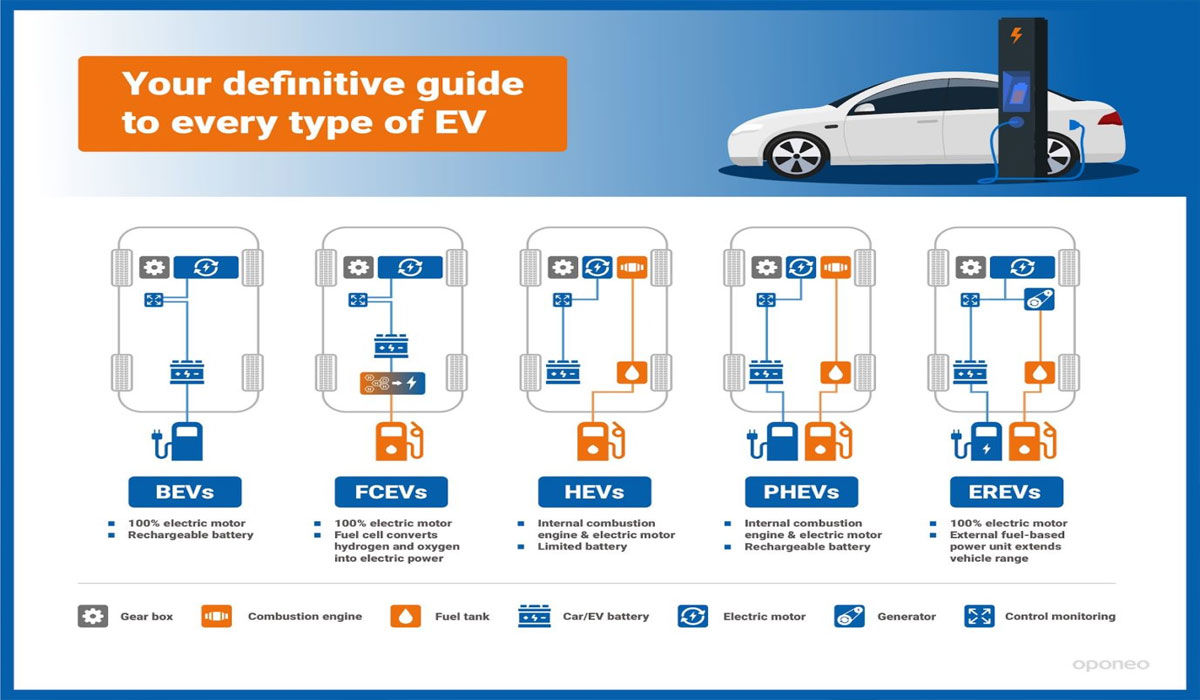
Hybrid vehicles come in several types, each offering unique benefits. The most common is the full hybrid, which can operate entirely on electric power, gasoline power, or a combination of both. Another popular type is the mild hybrid, which cannot run solely on electricity but assists the engine to improve efficiency.
There are also plug-in hybrids (PHEVs) that allow drivers to charge the battery from an external source, giving them an extended electric-only range. These variations provide consumers with options tailored to their driving habits and environmental goals, ensuring that hybrid technology is accessible and practical for a wide range of users.
Challenges and Considerations
Despite their many benefits, hybrid vehicles have some challenges that drivers should consider. Battery replacement can be costly, and the environmental impact of battery production is an important factor to acknowledge. Additionally, hybrid systems add weight to the vehicle, which can slightly affect handling and maintenance.
Another consideration is that the overall environmental benefit depends on the source of electricity used to recharge the battery. In areas where electricity comes mainly from fossil fuels, the advantages of hybrids are less pronounced. Nonetheless, advances in battery technology and renewable energy integration continue to improve the overall sustainability of hybrid vehicles.
Conclusion
Hybrid vehicles represent a perfect blend of traditional gasoline power and modern electric innovation. They provide drivers with fuel efficiency, reduced emissions, and a smoother driving experience while offering flexibility through various hybrid types. As technology continues to advance, hybrids play an essential role in transitioning toward a cleaner, more sustainable future for transportation. Embracing hybrid vehicles today is not just about driving smarter it’s about driving toward a healthier planet tomorrow.
For the latest and most interesting related information, you can also click the TEACHING link.
Image Source:
First Image from thegreenmotorist.com
Second Image from motorists.org