Getting to Know Hybrid Vehicles, a Combination of Engines and Electricity
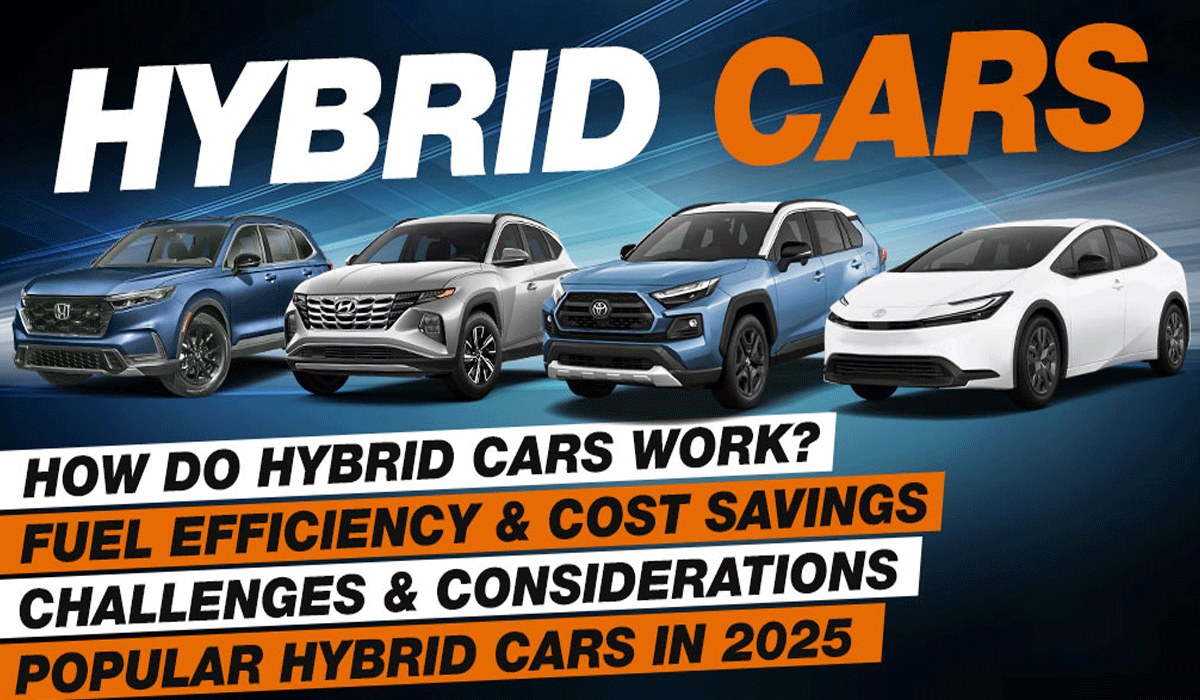
Explore hybrid vehicles, combining engines and electricity for efficiency, lower emissions, and smarter driving in a modern automotive world.
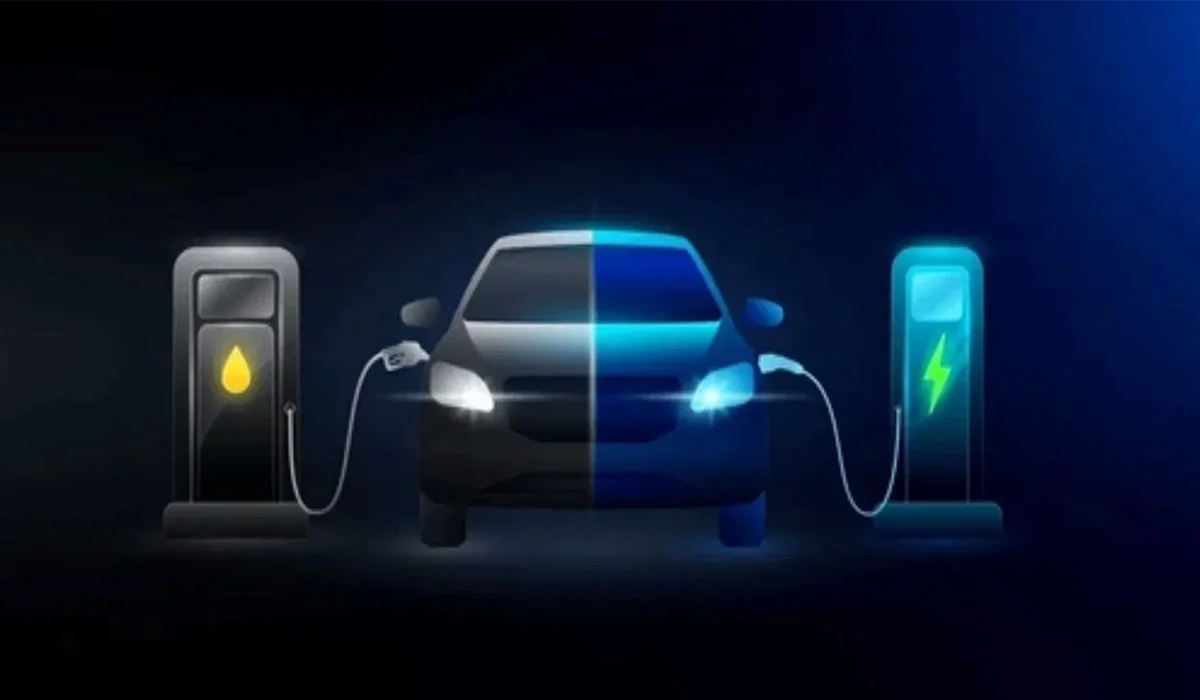
In the ever-evolving world of automotive technology, hybrid vehicles have emerged as a bridge between traditional internal combustion engines and fully electric cars. These vehicles combine the strengths of gasoline engines and electric motors, offering improved fuel efficiency, reduced emissions, and a smoother driving experience. Understanding how hybrid vehicles work and the benefits they bring can help consumers make informed decisions and encourage a shift towards more sustainable transportation.
Understanding the Hybrid Engine Concept
Hybrid vehicles operate by integrating two power sources a conventional gasoline engine and an electric motor. The gasoline engine provides power for longer trips and higher speeds, while the electric motor supports low-speed driving, reduces fuel consumption, and assists in acceleration. One key advantage of this combination is the ability to optimize energy use.
For instance, during braking, many hybrids use regenerative braking systems to capture kinetic energy and convert it into electricity, which recharges the battery. This mechanism reduces reliance on the engine and enhances overall efficiency, making hybrids an effective solution for urban and highway driving.
Types of Hybrid Vehicles
There are several types of hybrid vehicles, each designed with different levels of reliance on electric power. The most common type is the full hybrid, which can operate solely on the gasoline engine, the electric motor, or a combination of both. Another type is the mild hybrid, which primarily relies on the gasoline engine but uses an electric motor to assist during acceleration and reduce fuel consumption.
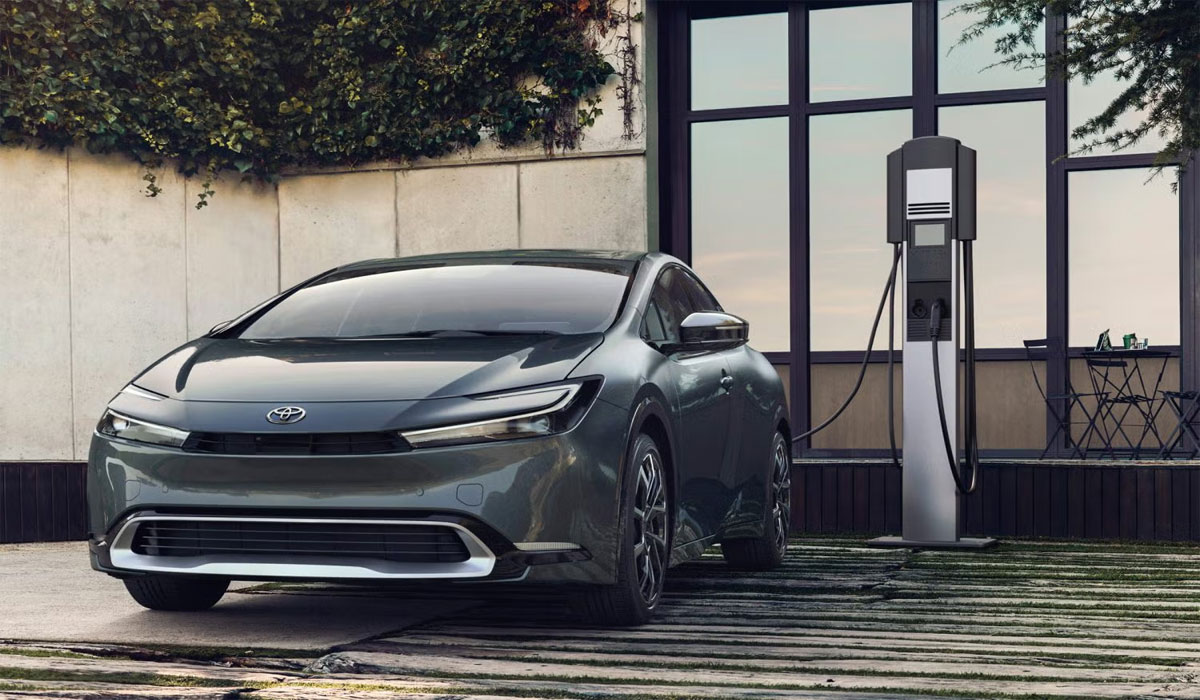
Plug-in hybrids offer an additional advantage, as they can be charged via an external power source and provide extended electric-only driving ranges. Each type caters to different driving needs, and understanding these distinctions is crucial for prospective buyers.
Read Also: Hybrid Vehicles Explained Combining Gas and Electric Power
Technological Innovations in Hybrids

The success of hybrid vehicles is closely tied to advancements in battery technology and electronic control systems. Modern hybrids use lithium-ion or nickel-metal hydride batteries, which are lighter, more efficient, and longer-lasting than earlier battery types.
Sophisticated computer systems manage the interaction between the engine and the electric motor, ensuring seamless transitions and optimal energy use. These technological innovations not only enhance performance but also improve the driving experience, allowing hybrids to deliver acceleration, power, and comfort comparable to traditional vehicles while maintaining superior efficiency.
Environmental and Economic Benefits
Hybrid vehicles contribute significantly to reducing environmental impact. By relying on electricity for part of their operation, hybrids emit fewer greenhouse gases and harmful pollutants compared to conventional gasoline-powered cars. This reduction in emissions is particularly important in urban areas, where air quality concerns are more pronounced.
Economically, hybrid vehicles help drivers save on fuel costs due to their improved fuel efficiency. Although the initial purchase price of hybrids can be higher than conventional cars, the long-term savings on fuel and potential tax incentives make them a financially viable option for many consumers.
Challenges and Future Prospects
Despite their advantages, hybrid vehicles face certain challenges. The complexity of hybrid systems can result in higher maintenance costs, and battery production still has environmental and resource-related concerns. Additionally, the widespread adoption of hybrids depends on the availability of infrastructure, such as charging stations for plug-in models.
Nevertheless, the future of hybrid technology appears promising. As battery technology continues to improve and production costs decrease, hybrids are expected to become more affordable and efficient. Furthermore, hybrid vehicles serve as a transitional step toward fully electric vehicles, supporting the global push for sustainable transportation solutions.
Hybrid vehicles represent a significant innovation in the automotive industry, combining gasoline engines and electric motors to create more efficient, environmentally friendly, and versatile cars.
By understanding their operation, types, technological innovations, and benefits, consumers can appreciate the value of hybrids in the journey toward sustainable mobility. While challenges remain, ongoing advancements in technology and infrastructure suggest that hybrid vehicles will continue to play a crucial role in shaping the future of transportation.