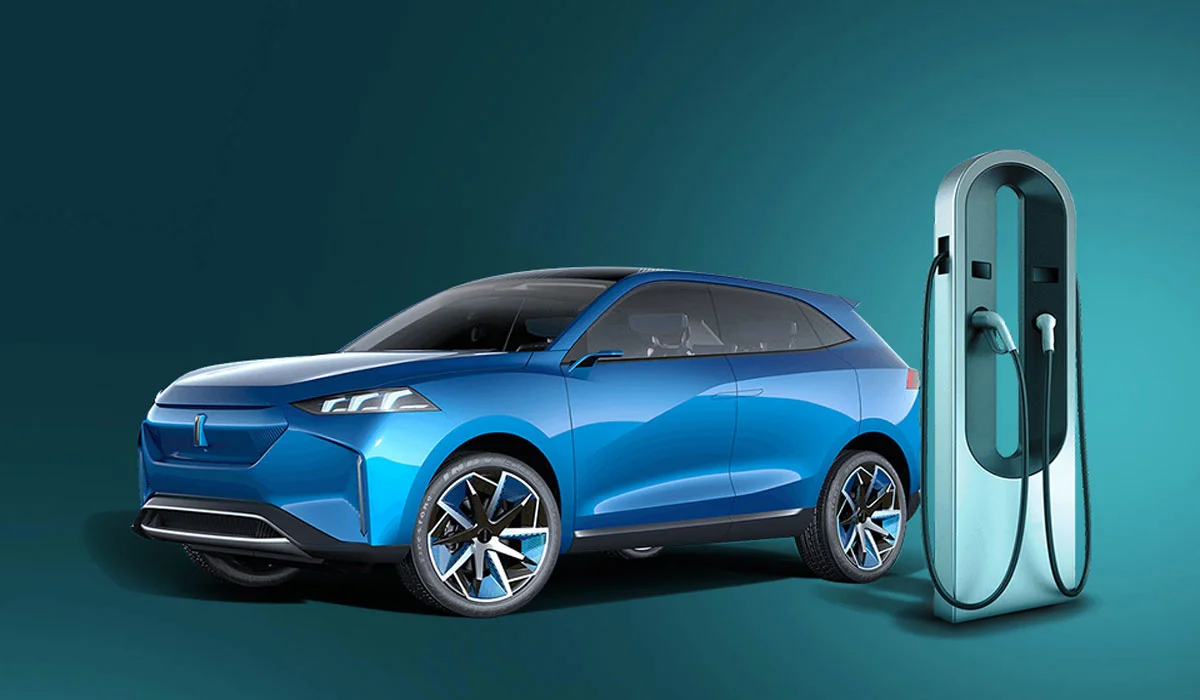
Electric Vehicles: Eco-Friendly Innovation for the Next Generation
Innovative electric vehicles are environmentally friendly and energy efficient, supporting sustainable transportation for future generations.
Electric vehicles are a modern transportation innovation that utilizes battery energy, reduces carbon emissions, and promises cleaner mobility for the environment. Next, The Green Motorist will discuss important aspects of electric vehicles and their impact on the environment and the lives of modern society as a whole.
Advantages of Electric Vehicles over Conventional Vehicles
Electric vehicles offer several advantages over fossil-fueled vehicles. First, their high energy efficiency makes electricity consumption more economical than gasoline. Furthermore, electric vehicles significantly reduce greenhouse gas emissions, helping to reduce air pollution in dense cities. Electric motor technology is also simpler and requires less maintenance than internal combustion engines.
The use of lithium-ion batteries allows for faster charging and increased energy storage capacity over time. Furthermore, electric vehicles produce less noise, making the environment more comfortable. Many countries are starting to provide incentives for people switching to electric vehicles, including lower taxes and free charging facilities.
Beyond environmental benefits, electric vehicles offer a smooth and responsive driving experience. Instant acceleration and advanced technologies such as regenerative systems make these vehicles more user-friendly. Global trends show increasing adoption of electric vehicles every year, signaling a cleaner future for transportation.
Also Read: Green Drivers Rising: Discovering Eco-Friendly Automotive Trends At Shows
Battery Technology and Charging Infrastructure
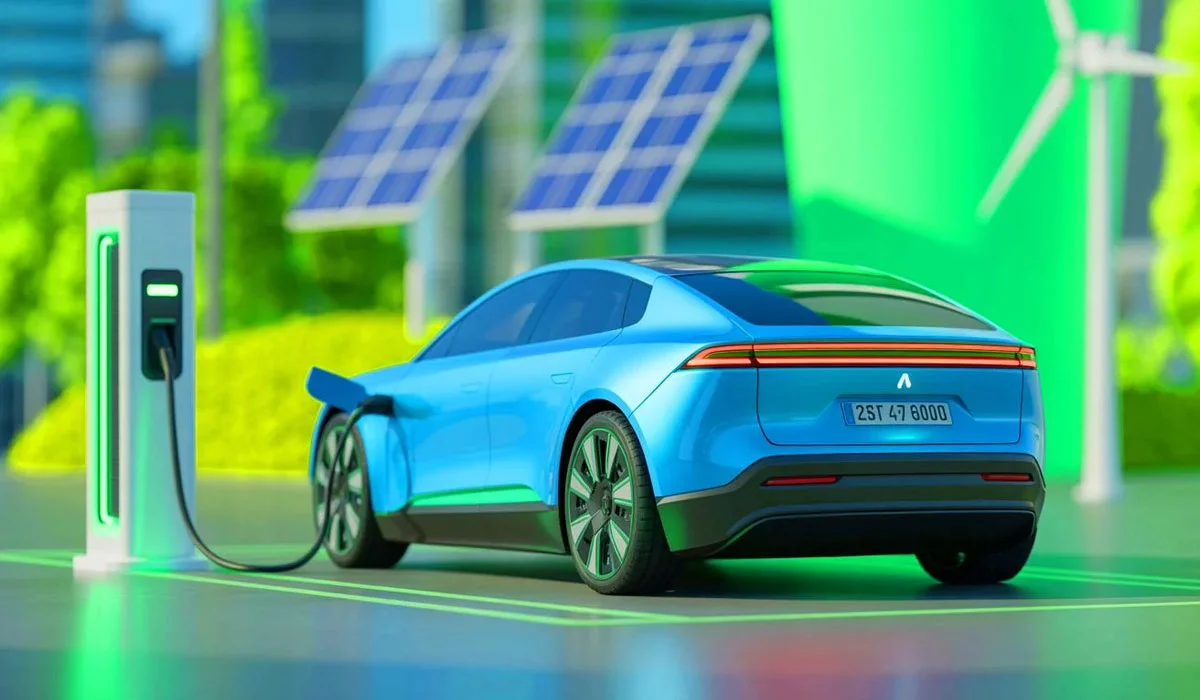
Batteries are a key component of electric vehicles, impacting their range and performance. Currently, lithium-ion batteries are widely used due to their high energy density and longer lifespan. Advances in battery technology continue to enable faster charging and more cost-effective production. Charging infrastructure is also rapidly evolving.
Fast-charging stations are now available in many cities, making it easier for drivers to charge quickly. Governments and private companies are collaborating to expand the charging network, including in public areas and parking lots. The ability of batteries to be recharged repeatedly without significant degradation makes electric vehicles increasingly practical.
Furthermore, future innovations in solid-state batteries promise greater capacity and improved safety. The integration of these technologies is crucial to support the widespread adoption of electric vehicles.
Positive Impact on the Environment
Electric vehicles have a significant impact on reducing air pollution and carbon emissions. Unlike fossil-fueled vehicles, electric vehicles do not produce harmful exhaust fumes during operation, thereby helping reduce the risk of respiratory diseases. Furthermore, reduced carbon emissions contribute to mitigating global climate change. Cities that have widely adopted electric vehicles have demonstrated cleaner air quality and healthier environments.
The use of renewable energy for battery charging further enhances the ecological benefits. Electric vehicles also raise public awareness of sustainability. Consumers are becoming more concerned about their environmental impact and are increasingly choosing eco-friendly transportation options. This is encouraging the automotive industry to innovate greener and more environmentally responsible vehicles.
Challenges in Electric Vehicle Adoption
Despite offering many advantages, electric vehicles face several challenges. The price of electric vehicles remains relatively high compared to conventional cars, limiting initial adoption in certain segments. The cost of batteries and advanced technology are key factors influencing the final price. Furthermore, charging infrastructure remains limited in some regions.
Electric vehicles require easily accessible charging stations to ensure users feel comfortable traveling long distances. The lack of a charging network can hinder public confidence in electric vehicles. Other challenges include battery recycling and the availability of raw materials such as lithium.
Proper battery waste management is essential to avoid creating new environmental problems. The automotive industry continues to seek innovative solutions to overcome these obstacles and promote more environmentally friendly electric vehicles.
The Future of Electric Vehicles
Electric vehicles are predicted to be the backbone of future transportation. With advances in battery technology and charging infrastructure, driving range is increasing and charging times are getting faster, making electric vehicles more practical. The use of renewable energy sources such as solar and wind power to charge batteries is increasingly supporting sustainable transportation.
Global governments continue to encourage the adoption of electric vehicles through regulations, incentives, and research support. Furthermore, the integration of electric vehicles with intelligent systems and autonomous vehicles is opening up new opportunities in modern mobility.
These trends demonstrate that electric vehicles are not only an environmentally friendly solution, but also a transportation innovation that will shape the way we move in the future. For related information about the latest and most exciting electric vehicles, you can also click The Green Motorist.
Image Source:
First Image from: www.gwm-global.com
Second Image from: www.energy-reporters.com
