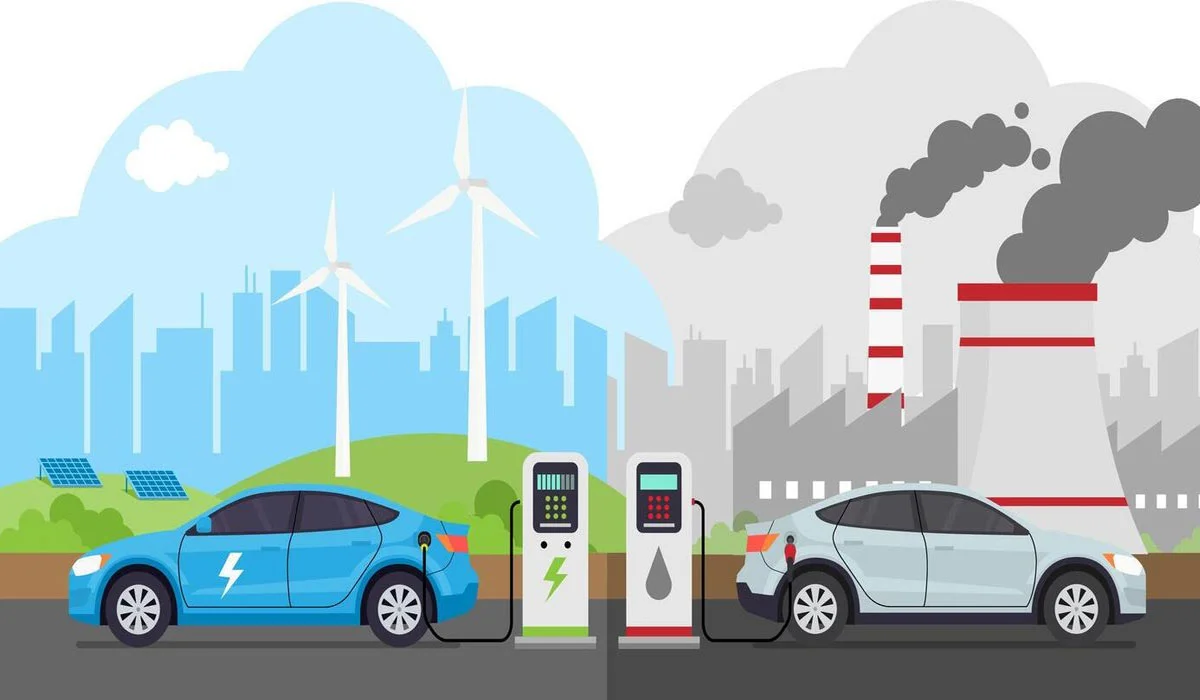
Electric vehicles as a step towards clean energy
Electric vehicles are an environmentally friendly transportation solution that supports clean energy efficiency and a sustainable future.
An electric vehicle is a type of transportation that uses electrical energy as the main power source to drive the vehicle’s motor. Below The Green Motorist will discuss various important aspects related to the role of environmentally friendly transportation technology in supporting a sustainable clean energy system.
Environmentally Friendly Transportation Technology
Development in transportation technology continues to move toward a cleaner, more efficient, and more sustainable system for society and the global environment. One widely discussed innovation is electric vehicles, as they can reduce carbon emissions from the transportation sector, which has been a major contributor to air pollution in cities worldwide.
Their propulsion system uses an electric motor powered by a rechargeable battery, thus eliminating the exhaust emissions of fossil-fueled vehicles. Furthermore, operating costs are relatively lower because electrical energy is more stable than fuel. Charging infrastructure is also developing in various countries, making the use of this technology increasingly feasible in people’s daily transportation activities.
Advances in battery research increase range while reducing charging times, making this type of vehicle increasingly relevant as a future sustainable mobility solution for large cities requiring a clean, efficient, safe, and stable transportation system.
Impact on Carbon Emission Reduction
The transportation sector is a major contributor to carbon emissions, which directly impact air quality and global climate change. The use of electric vehicles offers a much cleaner alternative because they produce no exhaust emissions during driving. By reducing the use of fossil fuels, air pollution levels in urban areas can be significantly reduced, resulting in a healthier environment.
Furthermore, the application of this technology encourages integration with renewable energy sources such as solar and wind power, which are increasingly being developed in various countries. The combination of low-emission transportation and cleaner electricity production will accelerate the transition to a sustainable energy system.
Therefore, many governments are implementing incentive policies, developing charging infrastructure, and regulating environmentally friendly vehicles to accelerate the adoption of low-emission transportation technology in the future.
Also Read: From Energy to Motion: How Electric Vehicles Transform Technology
Energy Efficiency in Transportation Systems

Energy efficiency is one of the main advantages in the development of electric-based transportation technology. Compared to internal combustion engines, which lose significant energy as heat, electric vehicles are able to convert a significant portion of the battery’s energy into propulsion more efficiently.
This results in significantly lower energy consumption per kilometer compared to conventional fuel-powered vehicles. Furthermore, regenerative braking technology allows previously wasted energy to be returned to the battery for reuse. This system improves overall energy efficiency during travel.
With the increasing energy storage capacity of the latest generation of batteries, vehicle range is also increasing without sacrificing efficiency. These developments strengthen electric transportation’s position as a logical solution for creating energy-efficient mobility systems and supporting global fossil fuel reduction strategies.
Development of Energy Charging Infrastructure
The success of electric transportation implementation is greatly influenced by the availability of adequate energy charging infrastructure. Many countries have begun building networks of public charging stations in city centers, residential areas, and on main transportation routes. This infrastructure makes it easier for electric vehicle owners to charge their vehicles practically without worrying about limited range.
In addition to public charging stations, home charging technology is also developing, offering safe and efficient systems. Another innovation under constant development is fast-charging technology, which can recharge batteries in a much shorter time than conventional methods.
Support from government policies and industry investment is also accelerating the development of energy charging networks in various regions. With the expansion of this infrastructure, the use of electric transportation is becoming more practical, providing people with a more environmentally friendly and sustainable mobility alternative.
The Future of Sustainable Mobility
Transforming the transportation system towards sustainable mobility is a crucial part of the global strategy to address climate change. In this context, electric vehicles play a strategic role because they can reduce dependence on fossil fuels while supporting the use of clean energy. Many major automotive manufacturers are shifting their research and production focus to electric vehicle technology as a long-term measure.
Furthermore, integration with smart transportation systems, renewable energy, and efficient electricity grids will strengthen the sustainable mobility ecosystem. The development of increasingly lightweight, safe, and high-capacity battery technology also opens up opportunities for wider use of electric transportation.
With the support of technological innovation, government policies, and public awareness of environmental concerns, the future of the global transportation system has the potential to move towards a cleaner, more efficient, and more sustainable mobility model for future generations.
Image information:
First Image from: www.vecteezy.com
Second Image from: us-transnet.com
