Increasingly Advanced Hybrid Vehicle Technology Innovations
Advanced hybrid vehicle technology innovation, delivering energy efficiency and environmentally friendly solutions for the future.
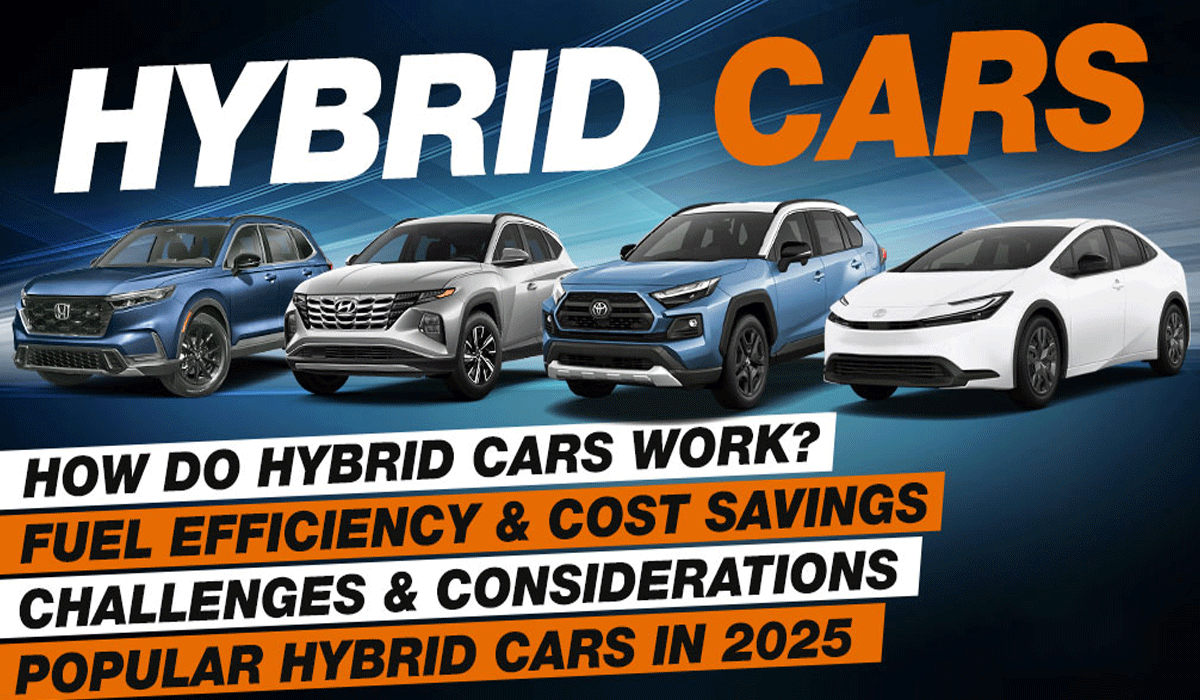
Hybrid Vehicle are transportation solutions that combine conventional and electric engines to increase energy efficiency and significantly reduce emissions. Below, The Green Motorist will discuss various technological innovations that make vehicle development more efficient and relevant to today’s needs.
Development of More Efficient Dual Engine Systems
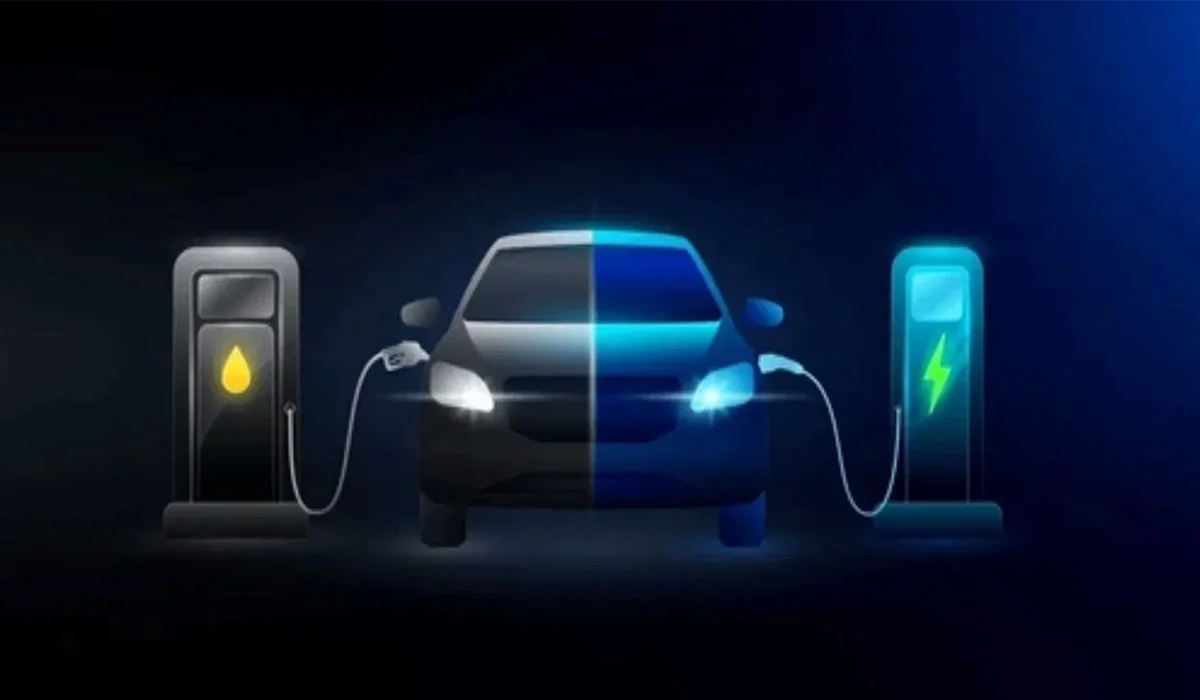
The development of dual-engine systems continues to significantly improve fuel efficiency and vehicle performance in a variety of dynamic road conditions. This technology allows hybrid vehicles to optimize the use of the electric engine at low speeds, resulting in lower energy consumption. Automotive manufacturers are developing intelligent control systems that automatically adjust power shifts based on actual driving needs.
This system also improves acceleration response without sacrificing comfort during daily and long-distance travel. This technological integration provides a balance between performance and efficiency that was previously difficult to achieve in conventional vehicles. This innovation helps reduce dependence on fossil fuels and lower overall operating costs in the long term.
Battery Innovation with Longer Lasting Capacity
Battery technology continues to experience significant improvements, with larger capacities and longer battery life for daily use. This development allows hybrid vehicles to travel longer distances on electric power without the need for frequent recharging. Manufacturers are now using lighter and more efficient materials to maintain optimal vehicle weight without compromising performance.
Battery management systems are also increasingly sophisticated, with the ability to monitor temperature and conditions in real time to ensure safety. Fast-charging technology also speeds up the charging process, increasing user comfort in daily activities. This innovation plays a crucial role in encouraging the wider adoption of environmentally friendly vehicles in various developing countries.
Also Read: The Future of Mobility Innovations Unveiled at the Motor Show
Regenerative Systems that Optimize Energy
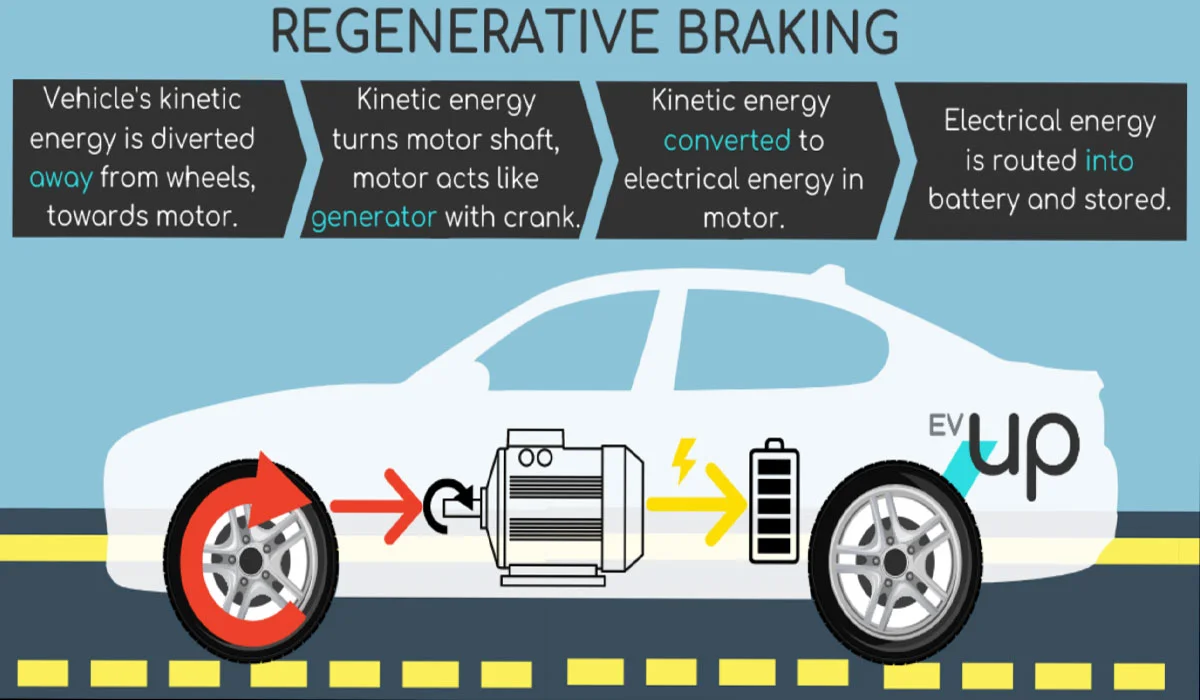
Regenerative braking systems are a key innovation capable of efficiently converting kinetic energy into electrical energy. This technology enables hybrid vehicles to store energy during braking for reuse during subsequent acceleration. This process improves overall energy efficiency without requiring additional external sources.
The use of this system also helps reduce brake component wear, resulting in lower maintenance costs in the long term. The integration of this technology provides a smoother and more responsive driving experience under various road conditions. This innovation demonstrates how technology can optimize previously wasted energy into a useful resource.
Integration of Digital Technology & Smart Systems
Advances in digital technology have provided smart systems that can improve efficiency and comfort in daily vehicle operation. This technology enables hybrid vehicles to connect with various devices to accurately monitor performance and energy consumption. Smart navigation systems also help determine the most efficient route based on traffic conditions and energy usage.
This feature provides a more controlled and economical driving experience without compromising user comfort. The use of artificial intelligence also helps optimize vehicle performance based on continuously learned usage patterns. The integration of this technology is a crucial step in creating vehicles that are more adaptable to today’s mobility needs.
Positive Impact on the Environment & Economy
The use of environmentally friendly technology has a significant positive impact on reducing carbon emissions and air pollution globally. The presence of hybrid vehicles helps reduce dependence on fossil fuels, whose availability is increasingly limited in various regions. Better energy efficiency also results in long-term operational cost savings for users.
Governments in various countries are beginning to provide incentives to encourage the use of vehicles with cleaner technology. This creates new economic opportunities in the automotive industry and the development of renewable energy technologies. These positive impacts demonstrate that technological innovation benefits not only users but also the environment as a whole.
mage information:
First Image from: www.londondaily.news
Second Image from: www.evup.com.au