Tips for Maintaining a Hybrid Vehicle to Ensure it Lasts
The secret to maintaining a hybrid vehicle so it lasts, maintain the battery and engine, save fuel and enjoy maximum performance on every trip.
Hybrid vehicles are increasingly popular in Indonesia due to their fuel efficiency and environmental friendliness. However, maintaining a hybrid vehicle requires a special approach because its systems differ from those of conventional cars. Proper maintenance not only maintains vehicle performance but also extends the life of the engine, battery, and electronic components.
Understanding Hybrid Vehicle Systems
Before performing maintenance, it’s important to understand the hybrid vehicle system. Hybrid cars combine a gasoline engine with an electric motor that uses a battery as a supplemental power source.
The interaction between the conventional engine and electric motor means that several components, such as the battery, inverter, and electronic control system, require special attention.
This understanding helps vehicle owners plan appropriate maintenance and prevent damage due to improper use or neglect of routine maintenance.
Hybrid Battery Maintenance
The battery is the most vital component in a hybrid vehicle. To maintain battery life, avoid discharging it to zero or overcharging it.
Ensure the vehicle is always in optimal condition when in use and check the charge level regularly. Some modern hybrid vehicles are equipped with automatic battery management systems, but owners are still advised to have regular check-ups at an authorized repair shop.
Ambient temperature also affects battery performance, so it’s best to avoid exposing the vehicle to extreme heat or high humidity.
Conventional Engine and System Maintenance
Although hybrid vehicles use electric motors, the gasoline engine remains a critical component. Routine maintenance, such as oil changes, air filter changes, and cooling system checks, is still mandatory.
A well-maintained engine will run more efficiently and maintain harmony with the electric motor. Additionally, check the condition of belts, brakes, and transmission regularly, as some of these components operate more complexly than in conventional cars.
Proper conventional engine maintenance also reduces the risk of damage to the overall hybrid system.
Also Read: The Most Expensive and Fastest Electric Car on the Market Today
Check Electronic Systems and Software
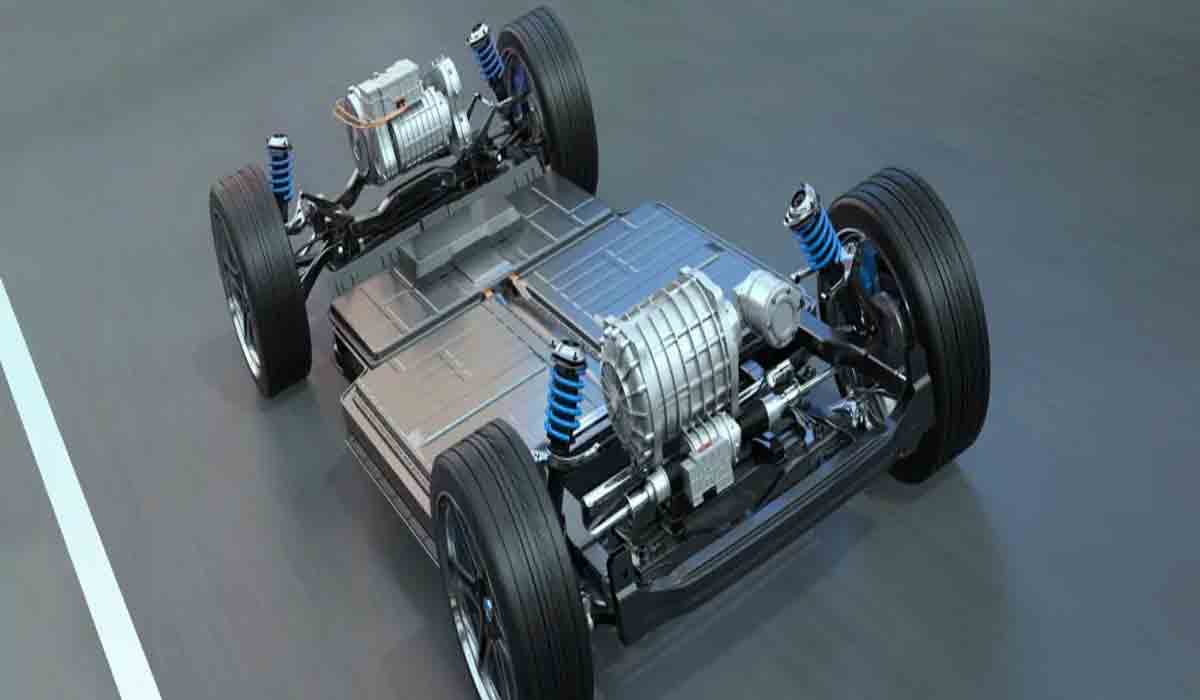
Hybrid vehicles rely on numerous electronic components to regulate the power transfer between the gasoline engine and electric motor. Sensors, inverters, and control modules must be in good condition to maintain optimal vehicle performance.
Owners are advised to update software according to manufacturer recommendations and take the vehicle to an authorized repair shop for regular electronic check-ups. A well-maintained system will prevent unexpected problems that could damage the battery or electric motor.
Component-Friendly Driving Style
Driving style also affects the lifespan of a hybrid vehicle. Avoid sudden acceleration, harsh braking, or excessive use of sport mode.
Smooth and consistent driving helps the engine and electric motor run more efficiently, while maintaining fuel consumption and battery life.
Following component-friendly driving tips extends vehicle life, reduces maintenance costs, and maximizes the overall performance of the hybrid system.
Maintaining a hybrid vehicle for longevity requires an understanding of the system, battery maintenance, conventional engine maintenance, electronic inspections, and proper driving style.
By following these guidelines, owners can maintain vehicle performance, extend the life of critical components, and reduce the risk of damage.