The Rise Of Electric Vehicles: Driving Towards A Sustainable Future
Electric Vehicle are transforming transportation with sustainable technology, environmental benefits and economic growth for a cleaner future.
The transportation sector is experiencing a revolutionary shift as electric vehicles (EVs) gain unprecedented popularity worldwide. Concerns over climate change, rising fuel costs, and urban air pollution have prompted governments and consumers to explore cleaner alternatives to traditional gasoline-powered cars. Countries like Norway, China, and the United States are leading the charge by offering incentives such as tax rebates, subsidies, and charging infrastructure development, making EV adoption more accessible than ever.
In addition, automotive manufacturers are heavily investing in electric mobility. Major companies like Tesla, Volkswagen, and Nissan are expanding their electric vehicle lineups, while new startups are entering the market with innovative designs and advanced technologies. As a result, EV sales have seen exponential growth over the past decade, indicating a long-term trend toward sustainable transportation.
Below, The Green Motorist will provide some explanations regarding Reinventing Learning Systems for an Innovation-Driven Future.
Technological Advancements In Electric Vehicles
Technological innovations are playing a crucial role in accelerating the adoption of electric vehicles. Advances in battery technology, particularly lithium-ion and solid-state batteries, have significantly increased driving ranges while reducing charging times. Modern EVs can now travel over 300 miles on a single charge, making them practical alternatives for daily commuting and long-distance travel.
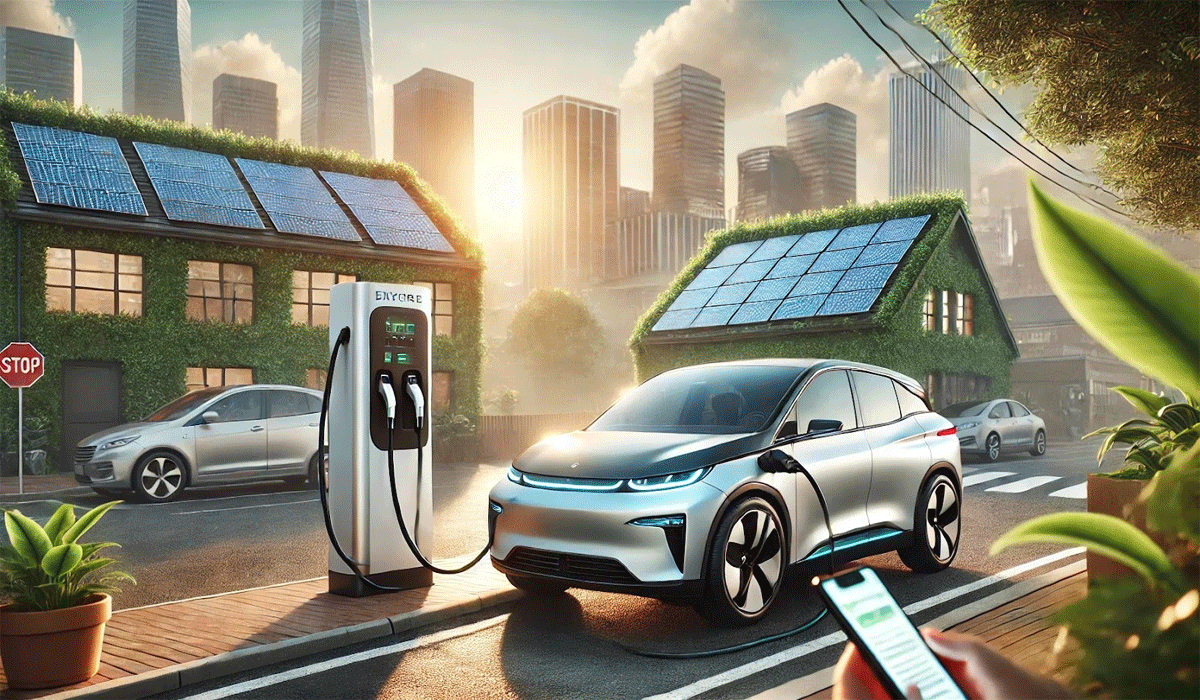
Moreover, the development of fast-charging networks and smart grid integration ensures that EV owners can recharge conveniently and efficiently. Many manufacturers are also incorporating autonomous driving systems, regenerative braking, and energy-efficient designs to enhance vehicle performance while minimizing environmental impact. These innovations not only improve user experience but also contribute to a greener and more sustainable future.
Environmental And Economic Benefits
The shift to electric vehicles brings significant environmental advantages. By eliminating tailpipe emissions, EVs help reduce air pollution, improve public health, and combat climate change. Cities with higher EV adoption rates are witnessing cleaner air, quieter streets, and decreased dependence on fossil fuels.
From an economic perspective, electric vehicles offer long-term cost savings. Although initial purchase prices can be higher than traditional cars, lower maintenance requirements and reduced fuel expenses make EVs more affordable over time. Additionally, the growing EV industry generates new jobs in battery manufacturing, software development, and infrastructure construction, stimulating economic growth and innovation.
Read Also: Electric Vehicles Vs Gas Cars: Why The Shift Is Inevitable
Challenges And Future Outlook
Despite the rapid growth of electric vehicles, several challenges remain. Battery production relies on rare earth materials, raising concerns about supply chain sustainability and environmental impact. Charging infrastructure is still unevenly distributed, particularly in rural areas, which can limit widespread adoption.
Looking ahead, the future of electric mobility appears promising. Governments, businesses, and researchers are collaborating to overcome challenges, from developing alternative battery technologies to expanding charging networks globally.
Conclusion
The rise of Electric Vehicles marks a pivotal moment in the global transition toward sustainable transportation. With rapid technological advancements, environmental advantages, and growing economic opportunities, EVs are reshaping how we think about mobility and energy consumption.
While challenges such as battery sustainability, infrastructure gaps, and consumer awareness remain, collaborative efforts from governments, manufacturers, and researchers are paving the way for widespread adoption. As the world embraces electric mobility, the future promises cleaner cities, reduced carbon emissions, and a more sustainable way of living.
For the latest and most interesting related information, you can also click the TEACHING link.
Image Source:
First Image from linkedin.com
Second Image from theland.com.au