The Future of Vehicles: Advantages and Challenges of Hybrid Cars
Explore the future of hybrid vehicles, their advantages, and challenges in transforming the automotive industry towards sustainability.
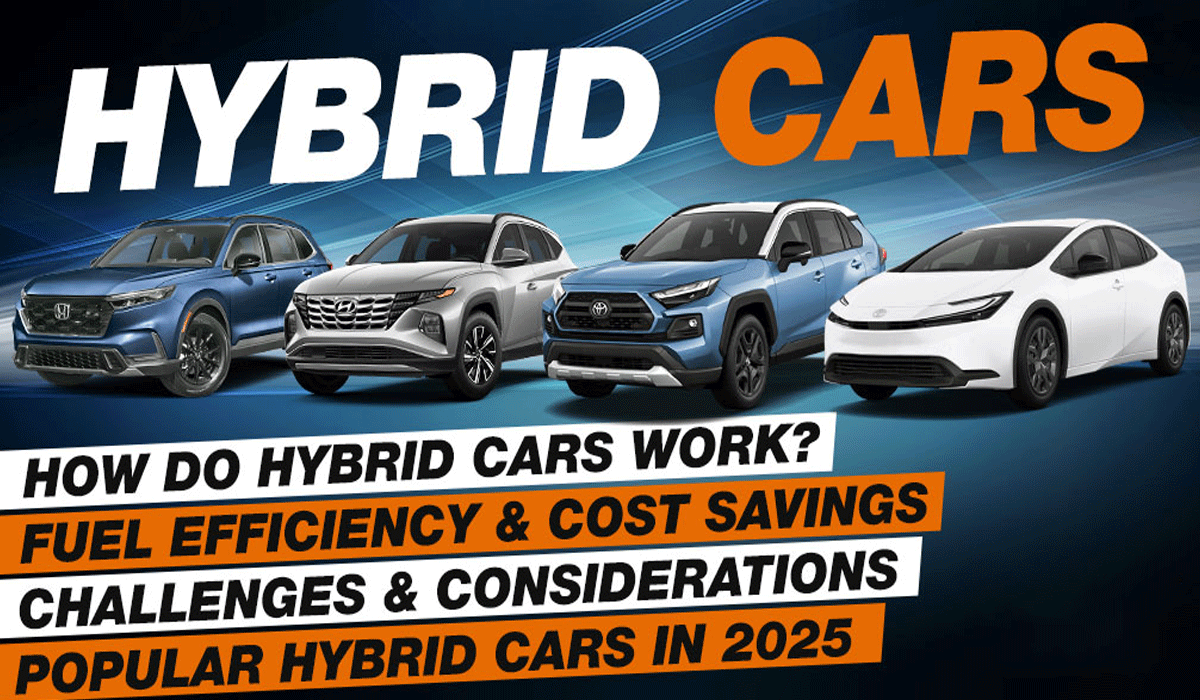
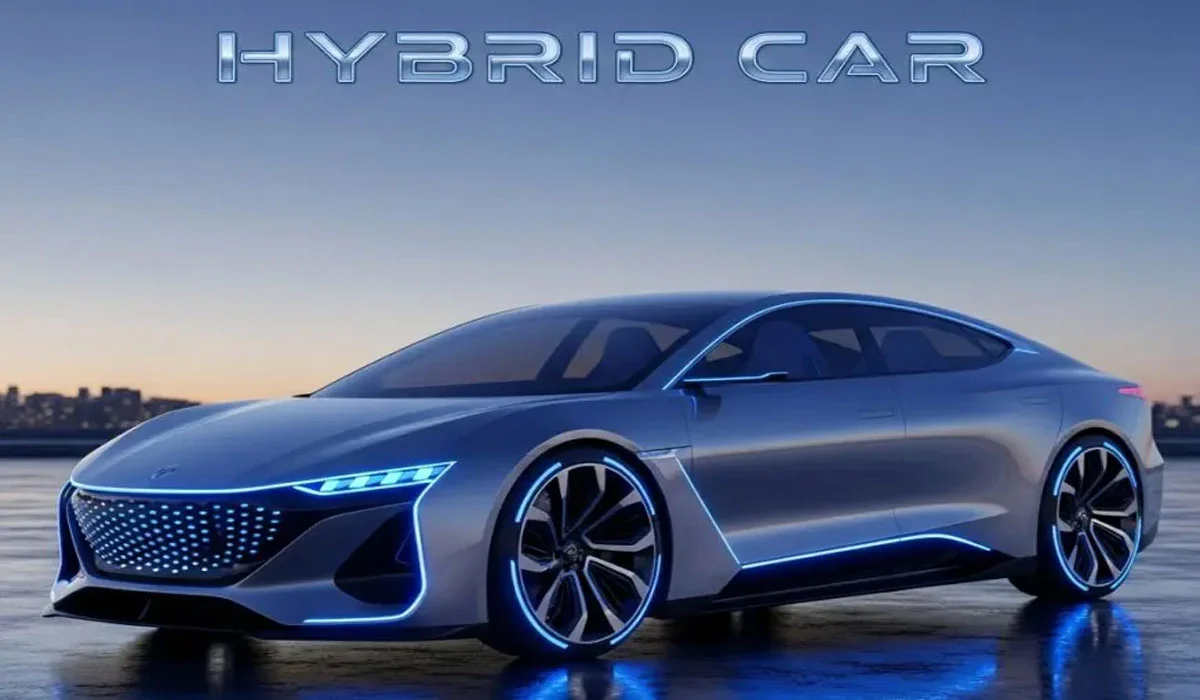
The future of vehicles is hybrid vehicles, which combine combustion engine technology with electric power for maximum efficiency. Below, The Green Motorist will discuss the advantages and challenges of hybrid vehicles and their role in the development of the automotive world.
Energy Efficiency Advantages of Hybrid Vehicles
Hybrid vehicles offer excellent energy efficiency by combining two power sources: internal combustion engines and electric motors. This technology allows the vehicle to operate more fuel-efficiently, especially at low speeds or in urban environments. The electric motor in hybrid vehicles reduces reliance on fossil fuels, resulting in fuel savings and reduced carbon emissions.
These vehicles also consume significantly less fuel, helping drivers save money in the long run. With increasingly advanced battery technology, hybrid vehicles are becoming even more efficient in energy use, providing a more environmentally friendly, practical, and economical driving experience.
Reducing Environmental Impact with Hybrid Vehicles
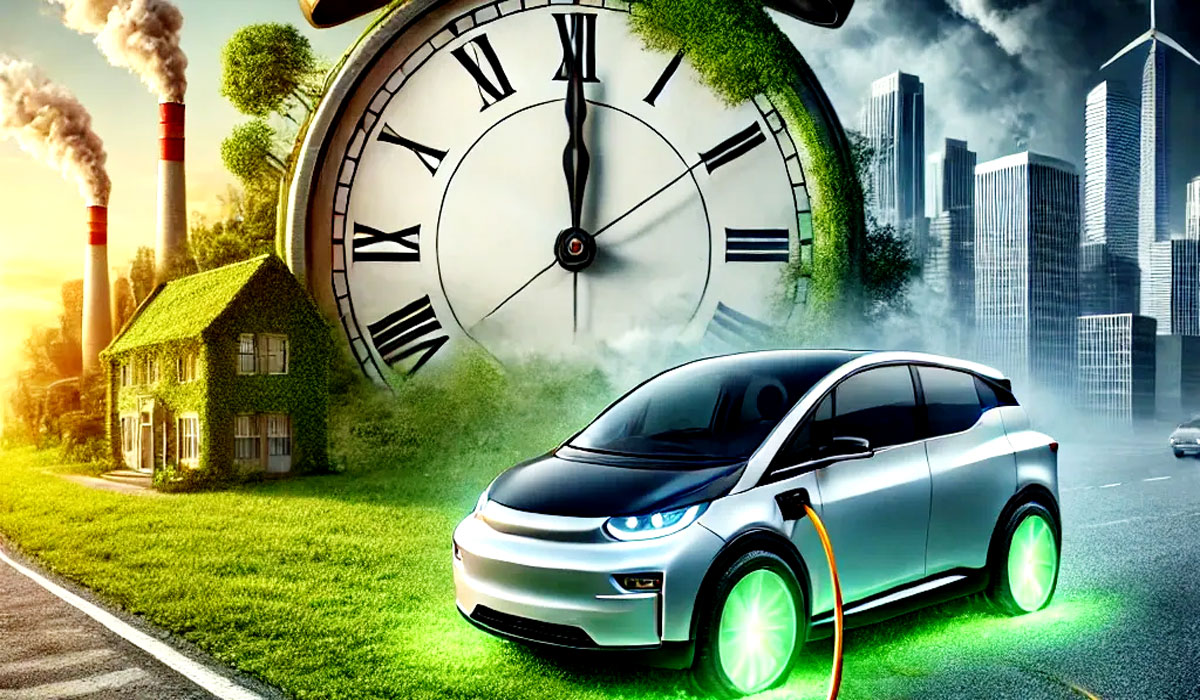
One of the main advantages of hybrid vehicles is their ability to reduce environmental impact. The combination of a combustion engine and an electric motor results in lower greenhouse gas emissions compared to conventional vehicles that rely solely on combustion engines. In certain conditions, hybrid vehicles can run purely on electric power, producing no air pollution.
This helps reduce carbon footprints and creates a cleaner environment. Additionally, hybrid vehicles contribute to reduced noise pollution in urban areas due to the quieter electric motor. As an eco-friendly solution, hybrid vehicles are increasingly becoming the preferred choice for a more sustainable future of transportation.
Also Read: The Future of Motorcycles Revealed at This Year’s Motor Show
Charging Infrastructure Challenges for Hybrid Vehicles
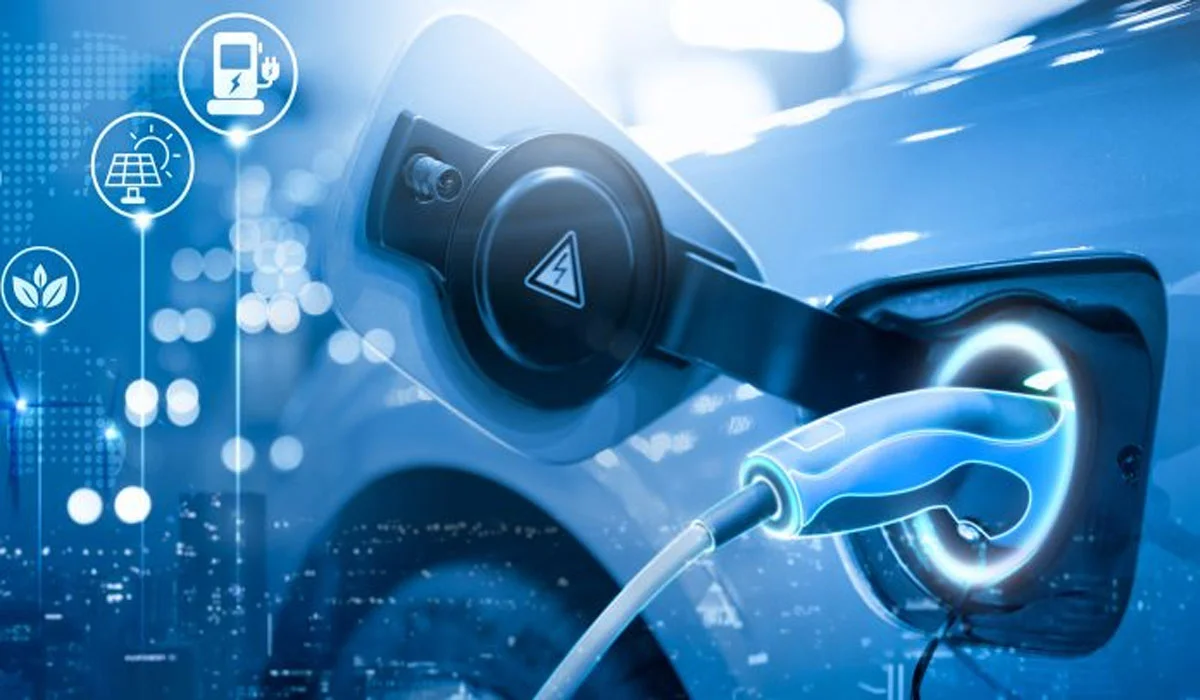
Although hybrid vehicles offer many benefits, one of the biggest challenges is the lack of adequate charging infrastructure. In some areas, access to charging stations remains limited, particularly for hybrid vehicles that rely more on electric motors for certain driving ranges. This can pose a significant issue for drivers who need to charge during long trips.
While hybrid vehicles can still operate using fossil fuel, the convenience of the driver is impacted if charging stations are not available. Therefore, further investment in the development of electric and hybrid charging networks is essential to support the growth of the eco-friendly vehicle market.
Higher Initial Cost of Hybrid Vehicles
One of the obstacles that consumers face when purchasing hybrid vehicles is the higher initial cost compared to conventional vehicles. This is due to the advanced technology used in hybrid systems, especially the lithium-ion batteries, which are still quite expensive. Although long-term fuel savings can offset the higher upfront costs, some consumers may hesitate due to the significant price difference.
Additionally, initial maintenance costs tend to be higher. However, as technology advances and mass production increases, hybrid vehicle prices are expected to decrease, making them more affordable for consumers in the future. Tax incentives may also help reduce the financial burden of the initial purchase.
Technological Advancements in Hybrid Vehicles
With the ongoing advancement of technology, hybrid vehicles continue to evolve, offering various innovations that make them more efficient and attractive. One of the key developments is the increase in battery capacity, allowing for greater electric-only driving ranges. Fast-charging technology has also become an important feature, reducing the time needed to charge the vehicle.
Additionally, energy management systems in hybrid vehicles have become smarter, optimizing power distribution to enhance fuel efficiency. With these new technologies, hybrid vehicles are not only more environmentally friendly but also more economical and practical. These innovations are expected to encourage more consumers to switch to hybrid vehicles in the near future.
Image Information Source:
First Image from: www.marketbusinessinsights.com
Second Image from: www.innovationnewsnetwork.com