The Future of Transportation Environmentally Friendly Electric
The world is witnessing a thrilling revolution in transportation, where innovation meets sustainability and the future is electrifying.
Electric vehicles (EVs) are no longer a futuristic concept they are shaping the way we commute, drive business growth, and reduce environmental impact. From innovative startups to industry giants, EVs are transforming mobility while prioritizing sustainability.
Below we The Green Motorist will discuss various aspects of the electric vehicle revolution, from technological developments, environmental impacts, business opportunities, to challenges and solutions for a more sustainable future of transportation.
The Rise of Electric Vehicles
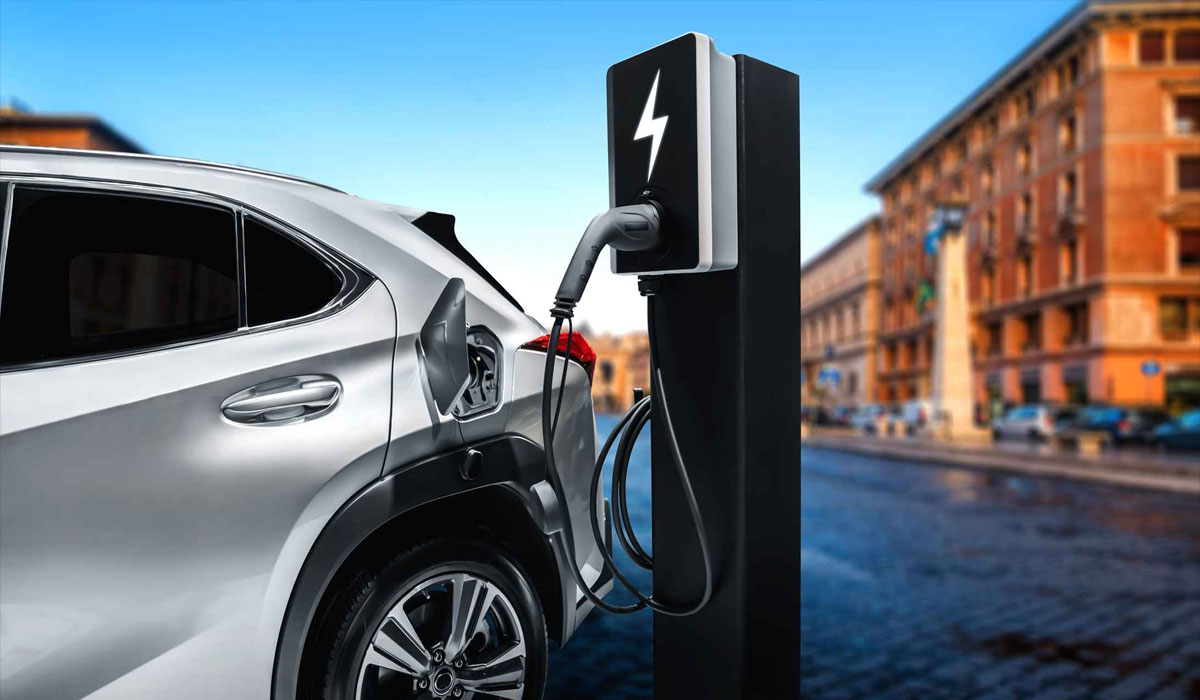
Electric vehicles are gaining momentum globally due to increasing environmental awareness. Governments are offering incentives to accelerate adoption, while businesses are investing heavily in EV technology. Consumers are now more conscious about carbon footprints and long-term savings.
Battery technology improvements are making EVs more efficient and affordable. Lithium-ion advancements and solid-state batteries promise longer ranges and faster charging. These innovations are reducing one of the biggest barriers to widespread adoption: range anxiety.
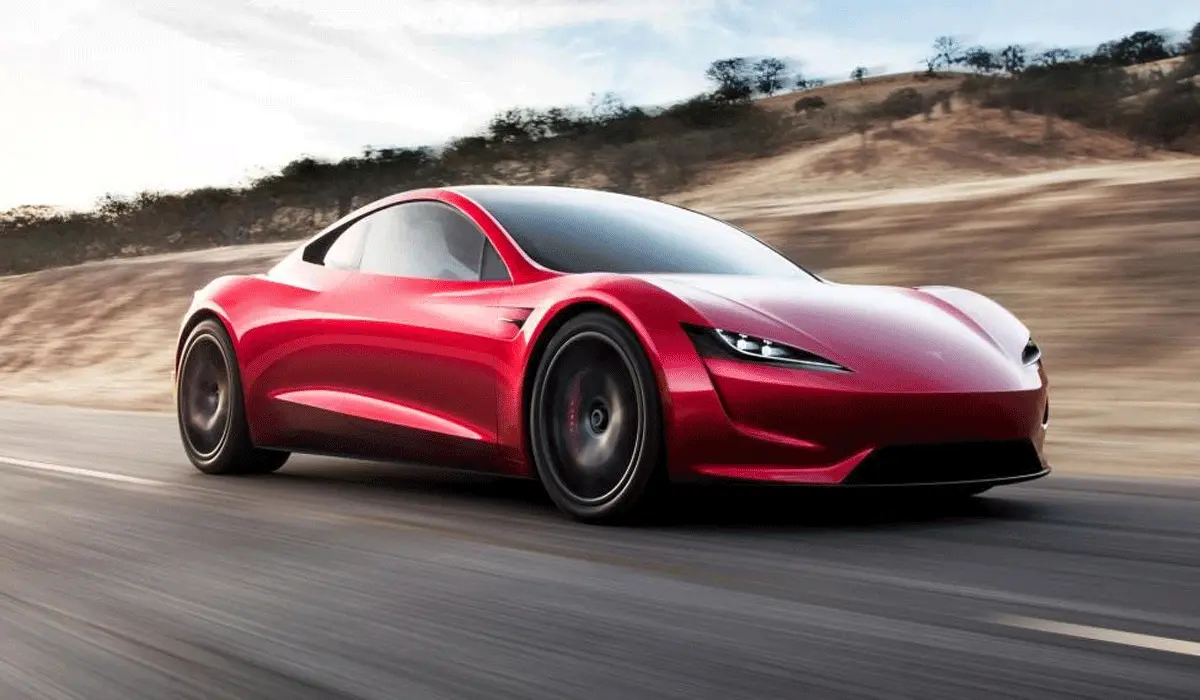
Automakers are also reimagining vehicle design. Sleek, futuristic models attract tech-savvy buyers. Integration with smart technologies, autonomous driving features, and connectivity solutions makes EVs not just vehicles but a digital lifestyle choice.
Environmental Impact and Sustainability
Electric vehicles significantly reduce greenhouse gas emissions. Unlike traditional vehicles, EVs run on renewable energy, lowering pollution in urban areas. This shift contributes to global climate goals and improves air quality.
Battery recycling and sustainable manufacturing are key to minimizing environmental harm. Companies are exploring closed-loop systems to reuse battery components. By adopting circular economy principles, EV production can become greener.
EVs also promote energy independence. Reduced reliance on fossil fuels decreases geopolitical vulnerabilities. Renewable energy integration ensures a cleaner, self-sustaining energy ecosystem for transportation.
Business Opportunities in the EV Industry
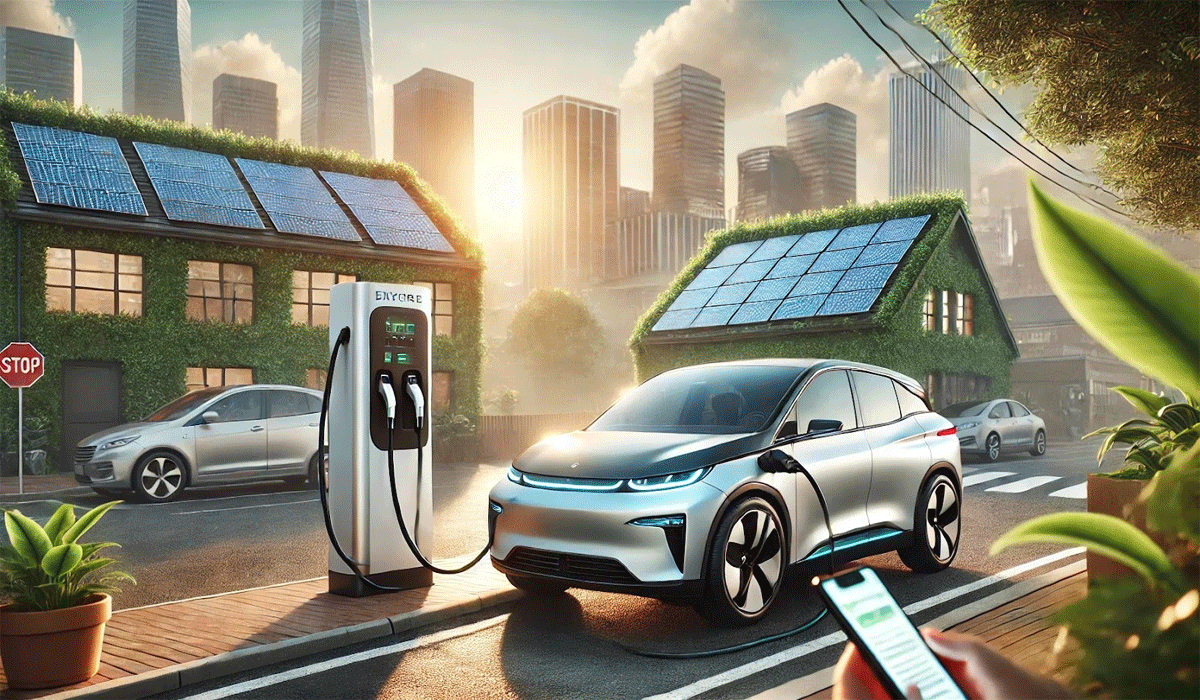
The EV market is booming, presenting lucrative opportunities for startups and established companies. Charging infrastructure, battery manufacturing, and software solutions are high-demand sectors. Entrepreneurs are entering niche markets with innovative products and services.
Partnerships between automakers, tech companies, and energy providers are accelerating growth. Shared resources, research, and infrastructure investments reduce costs. Collaborative ecosystems are crucial for scaling the EV industry efficiently.
Investors are increasingly attracted to the EV sector. Funding rounds, mergers, and acquisitions highlight confidence in long-term profitability. As demand grows, businesses focusing on sustainability and innovation gain a competitive edge.
Read Also: Electric Vehicles: A Smart Solution for Sustainable Transportation
Challenges and Solutions
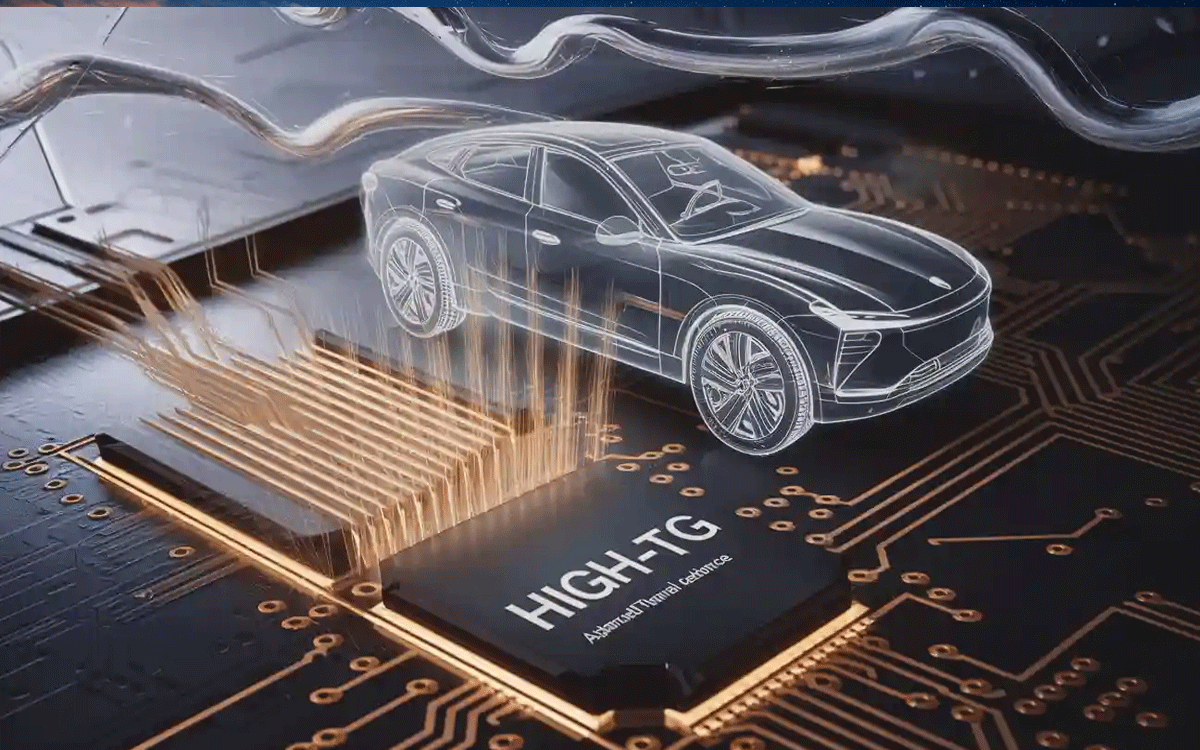
Despite rapid growth, the EV industry faces challenges. High initial costs, limited charging networks, and battery disposal concerns remain barriers. Addressing these issues is critical for mass adoption.
Technological innovation is the key solution. Faster charging stations, improved battery longevity, and recycling methods can solve many obstacles. Governments and companies are working together to implement scalable solutions.
Consumer education also plays a vital role. Raising awareness about cost savings, environmental benefits, and maintenance simplicity helps shift perceptions. An informed public accelerates adoption while ensuring sustainable practices.
The Future of Transportation
The future of transportation lies in smart, sustainable mobility. Electric vehicles are central to this evolution, combining environmental responsibility with technological advancement. Cities are adapting infrastructure to support cleaner transit.
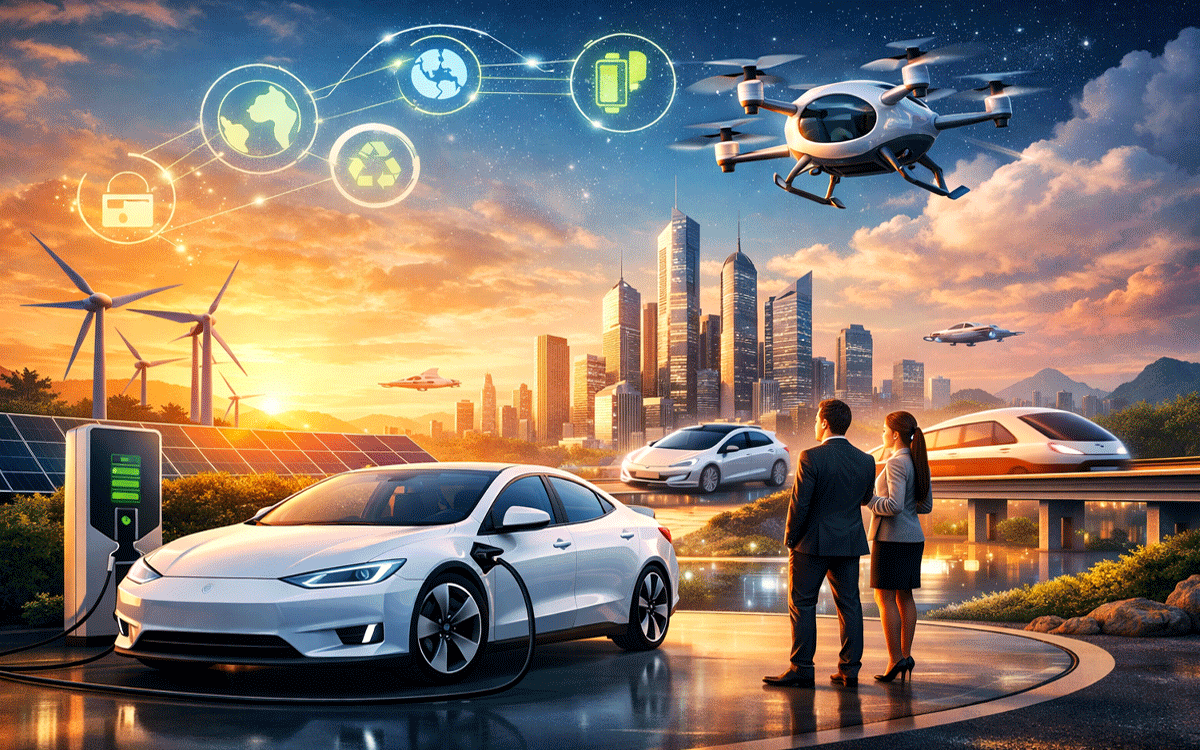
Autonomous EVs, ride-sharing platforms, and integrated urban transport solutions will redefine how we move. The transportation landscape is becoming more efficient, connected, and eco-friendly. Businesses must adapt to these shifts to remain competitive.
In conclusion, electric vehicles represent a transformative opportunity for both the planet and the economy. They drive innovation, reduce environmental impact, and create business growth. Embracing EVs today ensures a cleaner, smarter, and more prosperous tomorrow.
For more information on the latest developments in electric vehicles and business opportunities, visit trusted sources The Green Motorist and explore the latest insights on sustainable transportation innovation.
Image Source:
- First Image thegreenmotorist.com
- Second Image wonderfulpcb.com