New Energy, New Life: How Electric Cars Are Changing Our Environment
Explore the environmental revolution of electric vehicles and how new energy solutions are shaping cleaner, quieter, and healthier communities.
New Energy, New Life: How Electric Cars Are Changing Our Environment” explores the transformative impact of electric vehicles on our planet. From reducing harmful emissions and air pollution to promoting renewable energy and energy efficiency, EVs are redefining urban life and sustainable transportation. Below The Green Motorist will provide interesting information that you must know.
The Dawn of a Cleaner Tomorrow
In recent years, electric vehicles (EVs) have moved from the fringes of automotive technology to the forefront of global transportation. This shift is more than a technological marvel it represents a profound environmental opportunity. As cities grapple with air pollution and the looming effects of climate change, electric cars promise a future where mobility no longer comes at the expense of the planet.
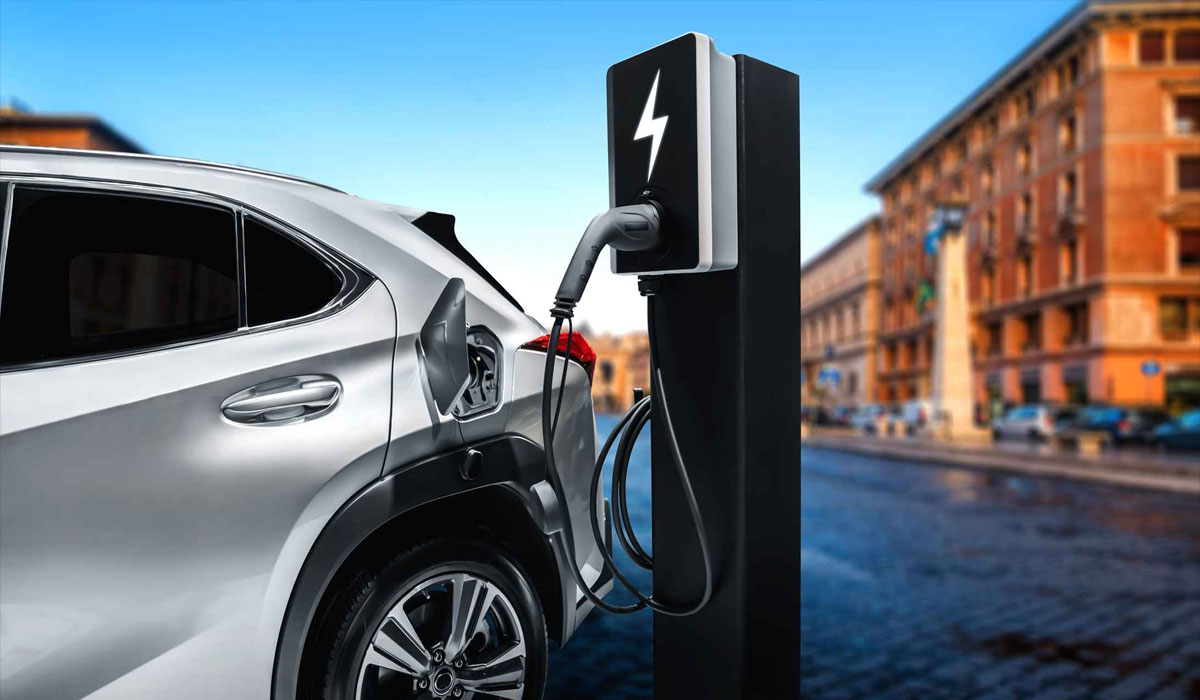
Unlike traditional internal combustion engines, EVs produce zero tailpipe emissions, dramatically reducing the release of harmful pollutants such as nitrogen oxides and particulate matter. This cleaner air can lead to measurable improvements in public health, particularly in urban centers where smog has long been a persistent problem.
Breaking Free From Fossil Fuels
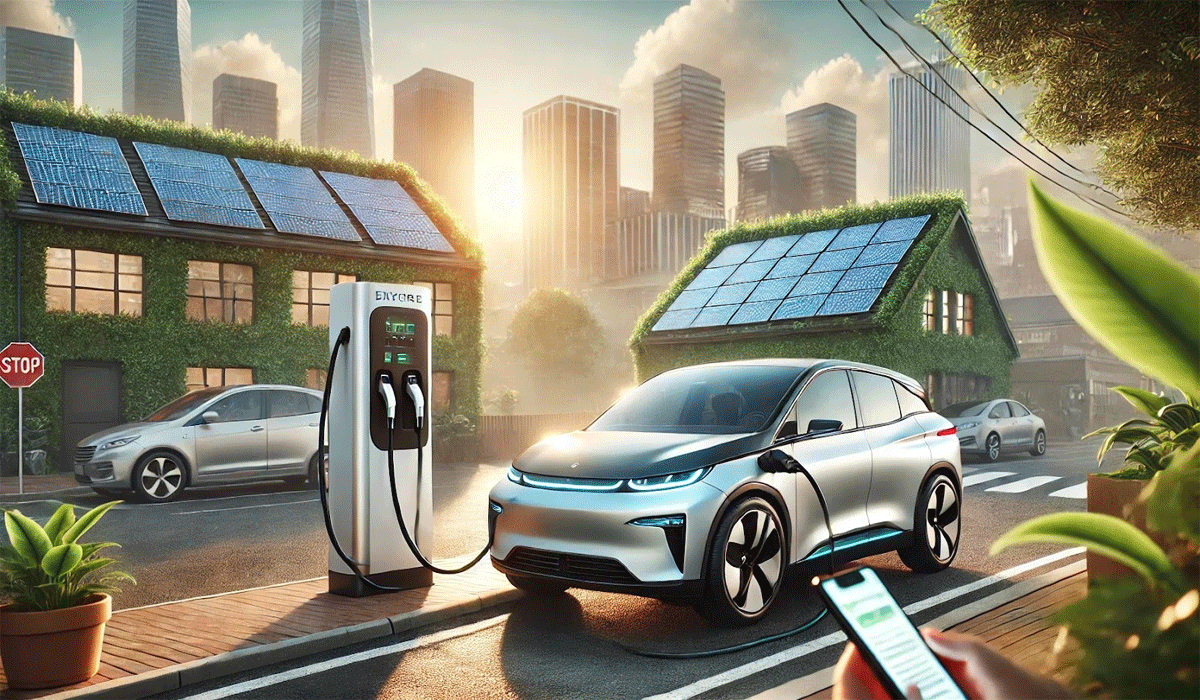
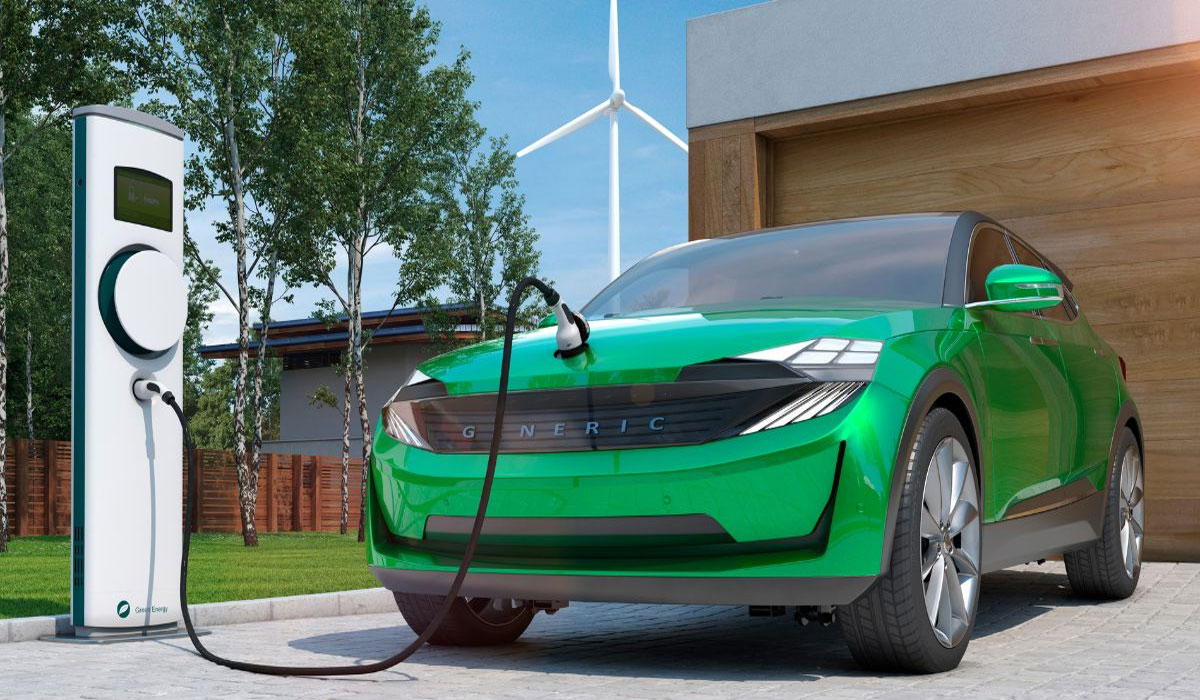
The environmental impact of EVs extends beyond the streets we drive on. By shifting energy consumption from gasoline to electricity, often sourced increasingly from renewables like wind and solar, electric cars play a vital role in reducing reliance on fossil fuels.
Fossil fuel extraction and combustion contribute significantly to greenhouse gas emissions, which drive global warming. By embracing electric vehicles, societies can gradually decouple transportation from oil dependency. This shift not only has environmental implications but also economic and geopolitical ones, as nations can reduce their exposure to volatile oil markets and invest in homegrown renewable energy infrastructure.
The Symphony Of Silent Streets
One of the most immediately noticeable benefits of electric vehicles is the dramatic reduction in noise pollution. Traditional engines create a constant hum and periodic roars, especially in traffic-congested cities. Electric motors, by contrast, are nearly silent, producing only a subtle whirring sound.
This quiet revolution transforms urban environments, offering residents calmer streets and a lower stress level during daily commutes. The benefits extend beyond humans; studies have shown that reduced noise pollution positively affects urban wildlife, allowing birds and other animals to thrive in spaces previously dominated by the mechanical roar of engines.
Read Also: More Than Just a Trend! Electric Vehicles Are Poised to Change the Future of Transportation
Revolutionizing Energy Efficiency
Electric cars are not only cleaner but also far more energy-efficient than their gasoline-powered counterparts. The internal combustion engine wastes a significant portion of energy as heat, whereas electric motors convert a much higher percentage of energy directly into motion.
This efficiency translates into fewer resources consumed for the same amount of travel, creating a ripple effect of environmental benefits. Moreover, the integration of smart grids and vehicle-to-grid technology allows EVs to act as mobile energy storage units, stabilizing electricity demand and facilitating the wider adoption of renewable energy sources, ultimately creating a more resilient and sustainable energy ecosystem.
Lifecycle And Sustainability Challenges
Despite their promise, electric vehicles are not without environmental challenges. Battery production, particularly lithium-ion batteries, requires mining of rare earth elements and metals such as cobalt and lithium. The extraction and processing of these materials can have significant ecological impacts, from water consumption to habitat disruption.
Additionally, battery disposal and recycling present long-term sustainability concerns. However, the industry is actively seeking solutions, including second-life applications for EV batteries, improved recycling methods, and alternative chemistries that reduce reliance on scarce materials. These efforts suggest that the environmental footprint of EVs will continue to shrink over time, making them an increasingly sustainable choice.
Driving Cultural And Policy Change
The rise of electric vehicles is also catalyzing broader cultural and policy shifts. Governments around the world are incentivizing EV adoption through subsidies, tax breaks, and infrastructure investments such as widespread charging networks. Cities are implementing low-emission zones and promoting public awareness campaigns to accelerate the transition.
These measures are reshaping consumer expectations, making electric vehicles not just a niche option but a mainstream alternative. As awareness of climate change grows, the adoption of EVs reflects a societal commitment to sustainable living, embedding environmental consciousness into daily routines in a way that goes far beyond the automotive sector.
Envisioning A Future Of Integrated Sustainability
Ultimately, the environmental impact of electric vehicles represents a glimpse of a broader vision for sustainable living. EVs are more than just a replacement for gasoline cars they are a platform for integrating clean energy, efficient mobility, and responsible consumption into daily life.
As renewable energy infrastructure expands, battery technologies improve, and recycling practices advance, electric cars have the potential to be truly transformative. They exemplify how innovation can align human convenience with ecological responsibility, demonstrating that progress and environmental stewardship are not mutually exclusive.
The journey of electric vehicles offers a hopeful narrative: one where new energy sources empower new life, both for humans and the planet. Watch and keep following, don’t miss the most complete information regarding The Green Motorist.