Maximizing Fuel Economy with Modern Hybrid Technology
Discover how to maximize fuel efficiency with modern hybrid technology through the latest advances in hybrid systems.
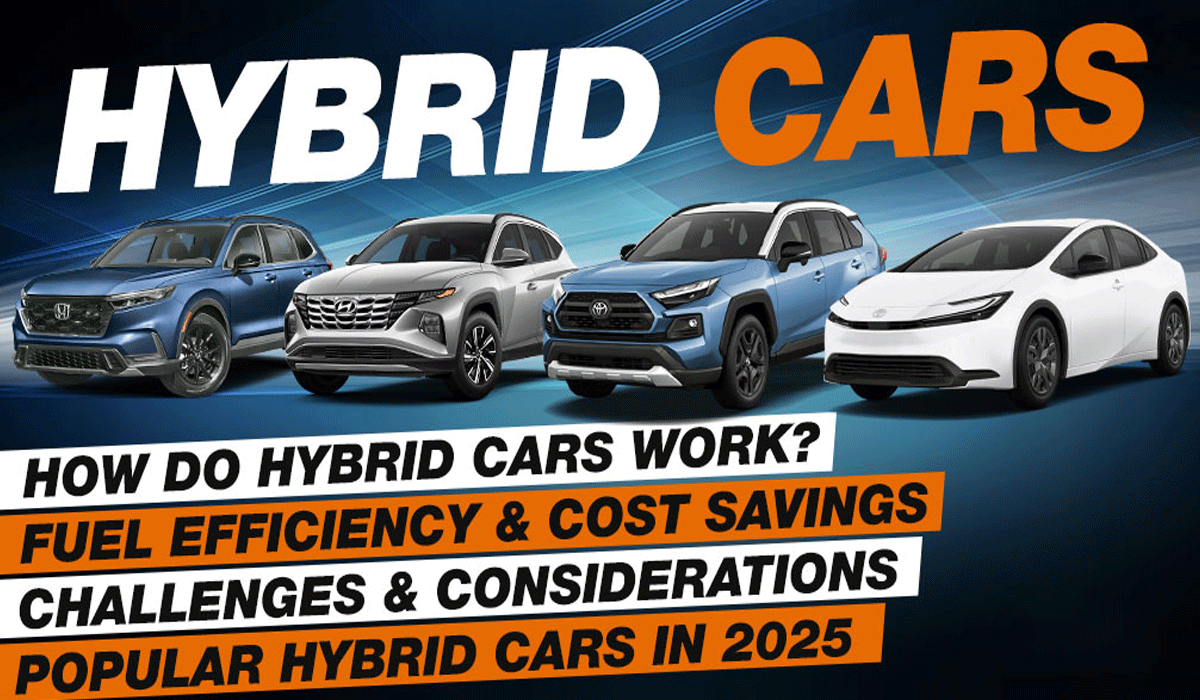
Hybrid vehicles are becoming increasingly popular due to their ability to deliver excellent fuel efficiency without sacrificing performance. Modern hybrid technology combines a gasoline engine with one or more electric motors to create a smart, energy-saving power system. With the growing need for eco-friendly transportation, understanding how this technology works is essential for drivers who want to achieve optimal efficiency.
Below, The Green Motorist will discuss Maximizing Fuel Savings with Modern Hybrid Technology.
How Modern Hybrid Systems Improve Fuel Efficiency
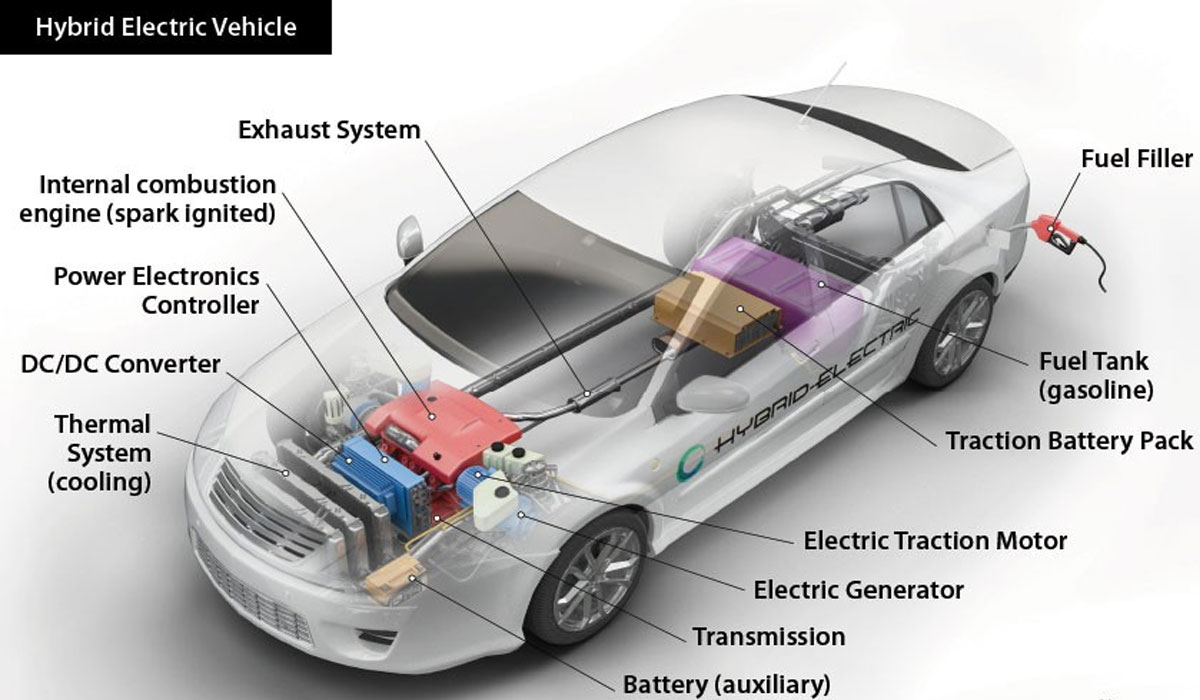
Modern hybrid systems work by seamlessly blending power from the gasoline engine and electric motor based on driving conditions. During high-demand situations, the gasoline engine provides power, while in low-speed or stop-and-go traffic, the electric motor takes over to reduce fuel usage. This combination allows hybrids to operate more efficiently than traditional vehicles.
Technologies like regenerative braking capture energy that would be lost during deceleration and store it in the battery. Many hybrids also feature CVT transmissions that keep the engine operating at its most efficient RPM range. Together, these systems significantly lower fuel consumption without compromising performance.
Effective Driving Techniques for Hybrid Owners
Smooth and consistent driving is one of the best ways to boost fuel efficiency in hybrid vehicles. Gradual acceleration and avoiding sudden braking allow the hybrid system to maximize electric power usage. With gentle driving habits, drivers can stay in EV mode longer, reducing reliance on the gasoline engine.
Using Eco Mode helps optimize throttle response, climate control settings, and power distribution to reduce energy consumption. Maintaining a steady speed (especially on highways) helps the hybrid system operate more efficiently. These simple driving adjustments can lead to substantial fuel savings over time.
Read Also: Hybrid Vehicle Technology: Balancing Power and Fuel Economy
Maintaining Battery Health for Long-Term Efficiency
Battery health plays an important role in maintaining hybrid performance and fuel efficiency. Although hybrid batteries are designed to last, keeping them in a stable temperature range is essential. Avoid parking in extreme heat or cold for long periods, as it can reduce the battery’s ability to store energy effectively.
Following the manufacturer’s recommended service schedule ensures critical components like the inverter, battery cooling system, and electric motor remain in optimal condition. Basic maintenance such as keeping tires properly inflated also helps reduce energy consumption. The easier the system works, the more fuel-efficient the vehicle becomes.
Future Advancements in Hybrid Fuel Efficiency
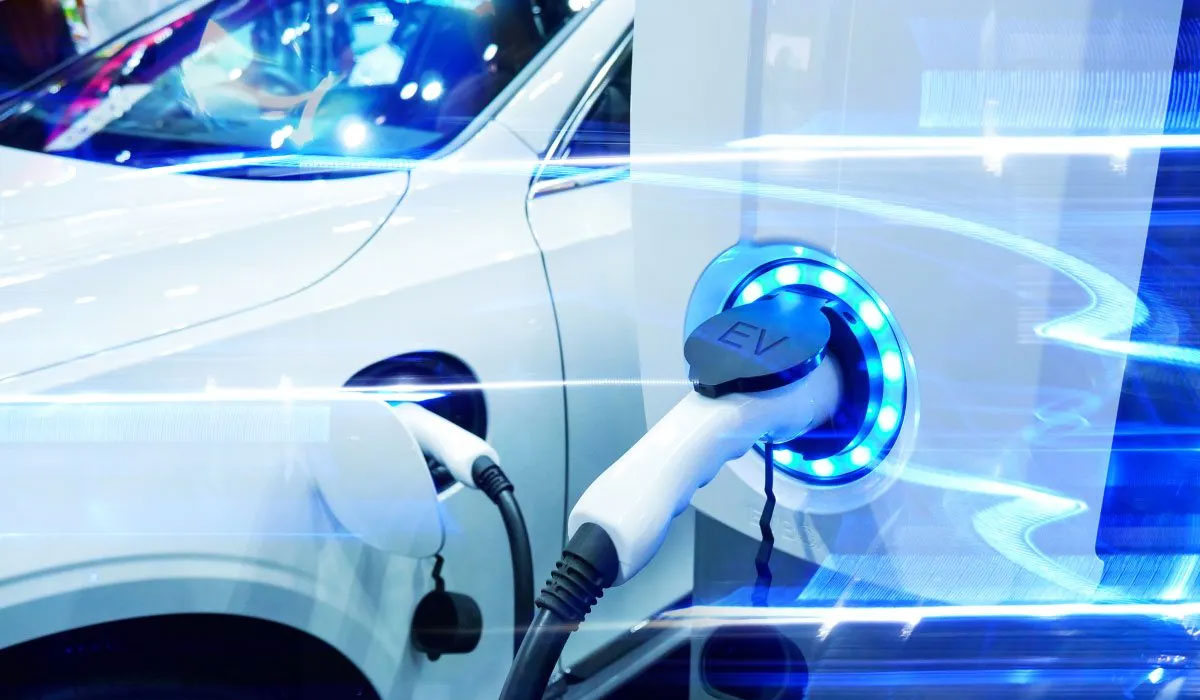
Hybrid technology continues to evolve with innovations aimed at improving overall energy efficiency. One of the key advancements is the development of plug-in hybrid electric vehicles (PHEVs), which can be charged externally and offer longer electric-only driving ranges. For short-distance commuters, this means using almost no gasoline during daily driving.
Future improvements in battery technology, such as solid-state batteries, promise greater capacity, faster charging, and longer lifespan. Automakers are also enhancing aerodynamics and integrating AI-based energy management systems that adjust power distribution in real time. These advancements will push hybrid fuel efficiency to even higher levels in the coming years.
Don’t miss other interesting information in The Green Motorist, which is updated and reliable.
Image information from:
- The first image newsnationnow.com
- The second image linkedin.com