Hybrid Vehicles Explained: The Perfect Balance of Power and Efficiency
Hybrid vehicles have become increasingly popular as drivers look for smarter, more sustainable ways to travel.
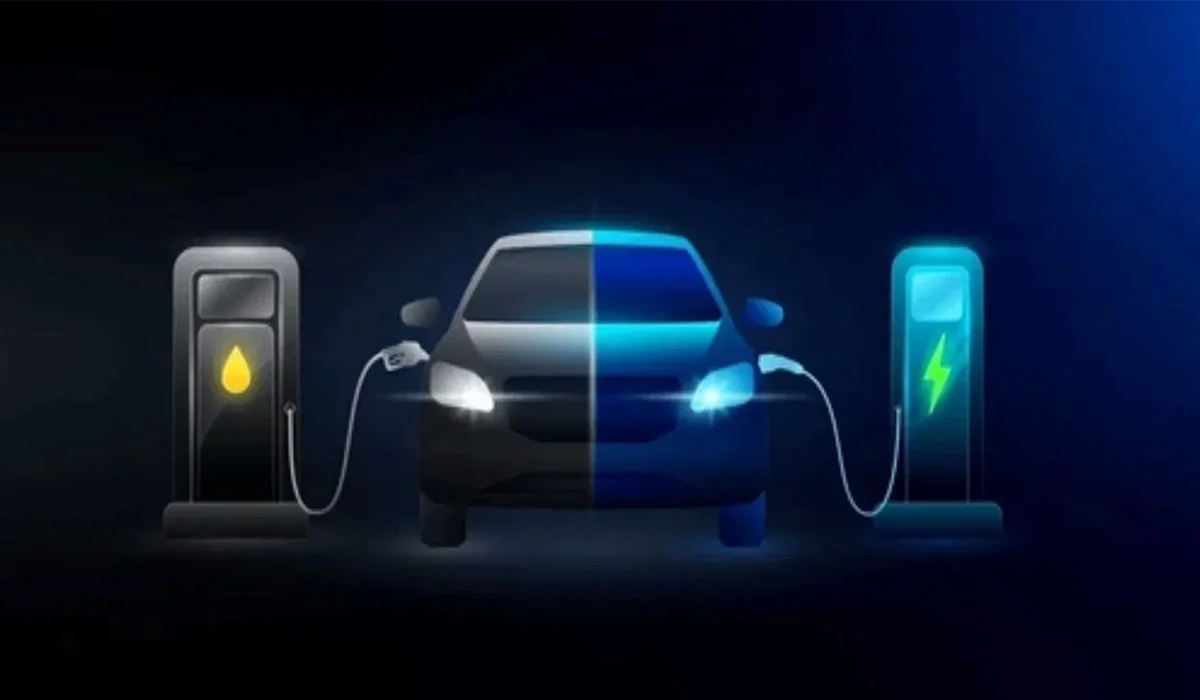
Combining traditional internal combustion engines with electric motors, hybrids offer a unique blend of performance and fuel efficiency. This balance makes them an attractive option for both environmentally conscious consumers and those seeking to save on fuel costs.
This The Green Motorist article will explain how hybrid vehicles work, their key benefits, and why they are considered the perfect balance between power and efficiency.
Understanding How Hybrid Vehicles Work
Hybrid vehicles use two main power sources: a gasoline engine and an electric motor. These systems work together to optimize performance and reduce fuel consumption. Depending on driving conditions, the vehicle may rely on one or both power sources.
For example, at low speeds, the electric motor often powers the car, reducing fuel use and emissions. When more power is needed, such as during acceleration or highway driving, the gasoline engine takes over or works alongside the electric motor. This seamless switching ensures efficiency without sacrificing performance.
Types of Hybrid Vehicles
There are several types of hybrid vehicles, each designed with different levels of electric assistance. The most common types include full hybrids, mild hybrids, and plug-in hybrids.
Full hybrids can run on either the engine or the electric motor independently. Mild hybrids assist the engine but cannot run solely on electric power. Plug-in hybrids, on the other hand, have larger batteries that can be charged externally, allowing for longer electric-only driving ranges.
Read Also: Increasingly Advanced Hybrid Vehicle Technology Innovations
Benefits of Hybrid Vehicles
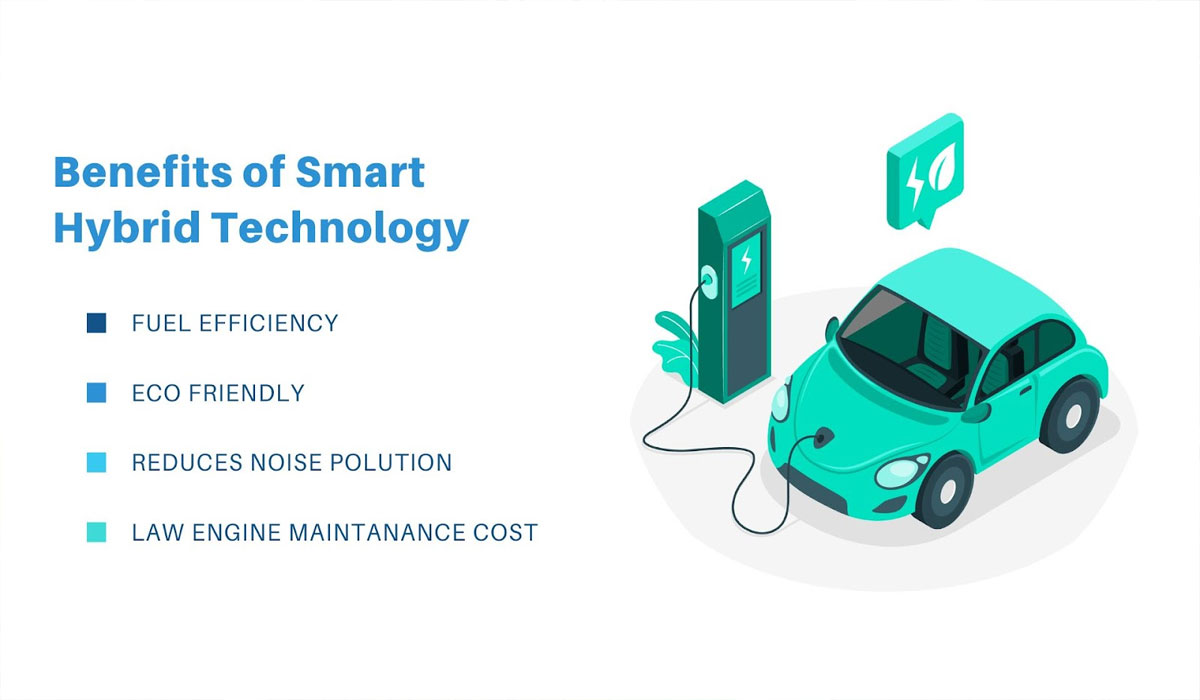
One of the biggest advantages of hybrid vehicles is improved fuel efficiency. By using electric power during low-speed driving, hybrids consume less fuel compared to traditional vehicles. This translates into significant cost savings over time.
Additionally, hybrids produce fewer emissions, making them more environmentally friendly. Reduced reliance on gasoline helps lower carbon footprints, which is an important factor in combating climate change.
Performance and Driving Experience
Many people assume hybrids sacrifice power for efficiency, but modern hybrid vehicles offer impressive performance. The combination of an electric motor and a gasoline engine can actually enhance acceleration.
Electric motors provide instant torque, resulting in smooth and responsive driving. This makes hybrids not only efficient but also enjoyable to drive in both city and highway conditions.
Maintenance and Longevity
Hybrid vehicles are often easier to maintain than people expect. Their braking systems, for example, use regenerative braking, which reduces wear on brake components and extends their lifespan.
While hybrids do include battery systems, these are designed to last for many years. Most manufacturers offer warranties for hybrid batteries, giving drivers confidence in their long-term reliability.
Conclusion
Hybrid vehicles truly represent the perfect balance of power and efficiency. By combining gasoline engines with electric motors, they deliver strong performance while reducing fuel consumption and emissions.
With benefits ranging from cost savings to environmental advantages, hybrids are an excellent choice for modern drivers. As technology continues to evolve, hybrid vehicles will likely play an even greater role in shaping the future of transportation.
Image Source:
First Image from www.linkedin.com
Second Image from indususedcars.com