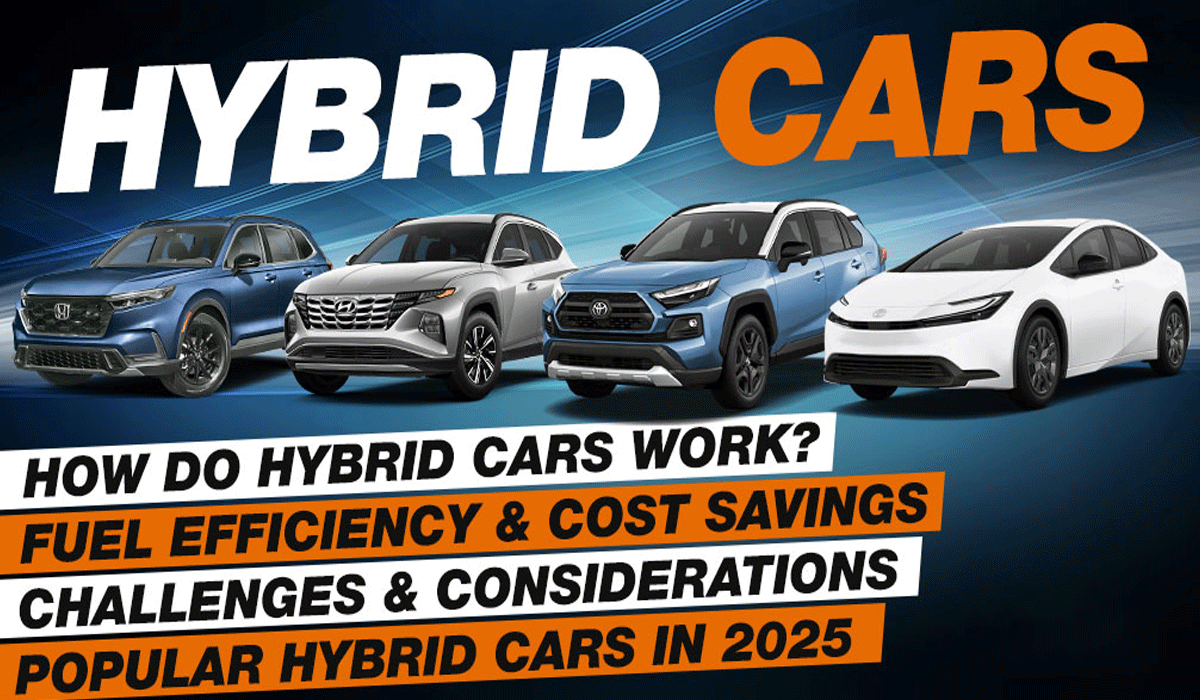
Hybrid Vehicle Technology: Balancing Power and Fuel Economy
Combining electric and gasoline power, hybrid cars provide a balanced approach to fuel economy while maintaining strong vehicle performance.
This innovative technology aims to meet the growing transportation needs of The Green Motorist, who is fuel-efficient and environmentally conscious, while also reducing harmful emissions.
Unlike fully electric vehicles, hybrids do not rely solely on battery power. Instead, they switch seamlessly between gasoline and electricity depending on driving conditions. This dual system allows for improved fuel efficiency during city driving, where frequent stops and starts typically consume more fuel, while maintaining the power needed for highway speeds.
How Hybrid Technology Works
The core of hybrid technology lies in its powertrain, which typically combines a gasoline engine with an electric motor and a battery pack. When accelerating or climbing hills, the gasoline engine provides extra power. During low-speed or stop-and-go driving, the electric motor can take over, reducing fuel consumption and emissions. Regenerative braking systems further enhance efficiency by converting kinetic energy into electricity to recharge the battery.
Modern hybrid vehicles also feature intelligent management systems that optimize energy usage. Sensors and computer algorithms determine the most efficient power source at any given time. This ensures that the car delivers smooth acceleration without wasting fuel, creating a driving experience that is both powerful and economical.
Advantages of Hybrid Vehicles
One of the most significant benefits of hybrid vehicles is fuel efficiency. By relying on electric power for part of the journey, drivers can experience reduced fuel costs, sometimes saving hundreds of dollars annually. This makes hybrid cars particularly attractive for urban commuters who spend a lot of time in traffic.
Environmental impact is another key advantage. Hybrid vehicles produce fewer greenhouse gas emissions than traditional cars, contributing to cleaner air and a reduction in overall carbon footprints. Additionally, some hybrids qualify for government incentives and tax breaks, making them financially appealing for eco-conscious consumers.
Challenges and Future Outlook

Despite their advantages, hybrid vehicles face several challenges. Battery production and disposal can have environmental consequences, and the initial purchase price of hybrids is generally higher than conventional vehicles. Moreover, the complexity of the dual powertrain can lead to higher maintenance costs over time.
However, the future of hybrid technology looks promising. Automakers continue to innovate, developing more efficient batteries, lighter materials, and smarter energy management systems. With increasing global emphasis on sustainability and stricter emission regulations, hybrid vehicles are expected to play a vital role in the transition toward cleaner, greener transportation.
Conclusion
Hybrid vehicles represent a crucial step toward sustainable mobility by effectively balancing power and fuel economy. They provide an immediate solution for drivers who seek efficiency without sacrificing performance, while also contributing to environmental protection.
As technology evolves, the advantages of hybrid cars are likely to expand further, with improved battery life, lower costs, and smarter energy management systems. For both individual consumers and the automotive industry, hybrid vehicles offer a practical, forward-looking solution that supports cleaner transportation and a more sustainable future. Are you interested in this topic? If so, you should visit our news section at The Green Motorist.
Image source :
First image: ackodrive.com
Second image: fastercapital.com