Hybrid Technology: The Vehicle Revolution of Today and the Future
Learn about hybrid technology in modern vehicles that combine energy efficiency, performance, and environmental friendliness.
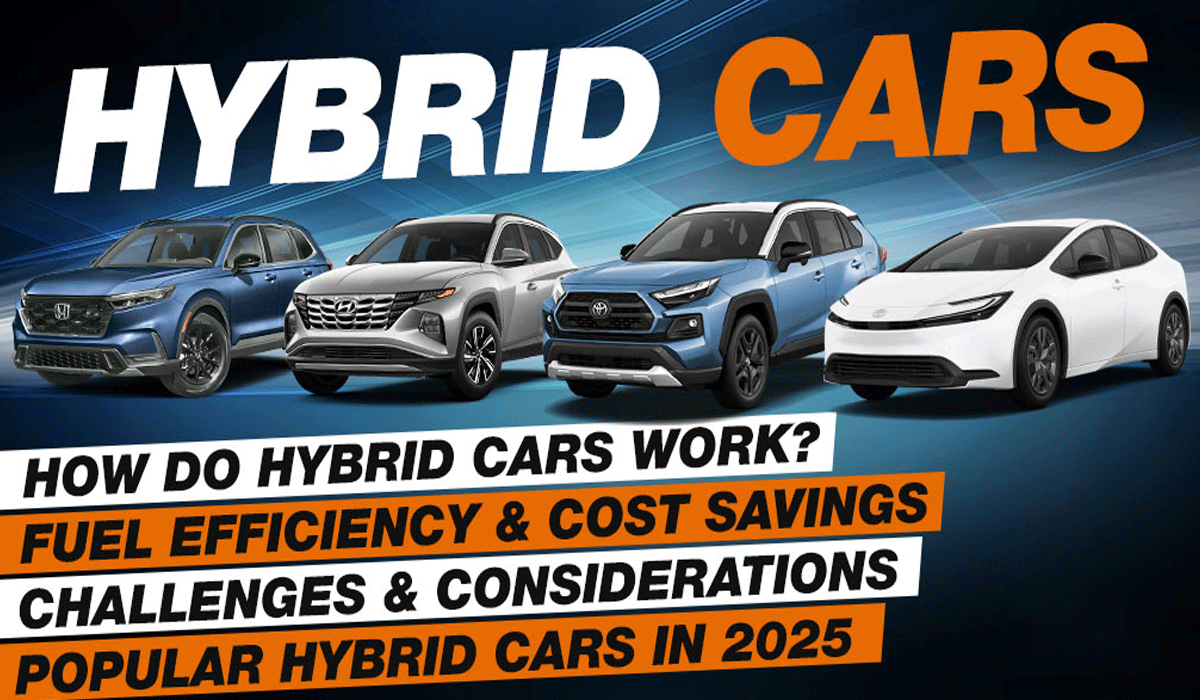
Hybrid vehicles are now the main focus in the automotive world because they can combine conventional engines and electric power, creating energy efficiency without sacrificing performance. This technology not only reduces carbon emissions but also offers a smarter driving experience and fuel cost savings.
Next, The Green Motorist will discuss the revolution of hybrid vehicles, starting from the working principles, benefits, types of hybrids, the latest innovations, to future trends that make mobility more sustainable and environmentally friendly.
Principle of Operation of Hybrid Vehicles
Hybrid vehicles combine an internal combustion engine with an electric motor, allowing them to operate with optimal efficiency. A gasoline or diesel engine is used for primary power, while the electric motor assists during acceleration or at low speeds, reducing fuel consumption.
This system works automatically, selecting the most efficient power source based on road conditions. In addition, hybrid vehicles are equipped with batteries that store energy from the electric motor or regenerative system during braking. The energy generated during deceleration or braking is converted into electricity, which is then used to assist the engine or power the vehicle.
Benefits of Hybrid Vehicles
One of the main benefits of hybrid vehicles is their high fuel efficiency. By using an electric motor in combination with a conventional engine, fuel consumption can be reduced by up to dozens of percent compared to regular cars. This certainly has a direct impact on the owner’s expenses.
In addition to being energy-efficient, hybrid vehicles are also environmentally friendly. The reduction of CO2 emissions helps decrease urban air pollution and reduce the carbon footprint. Some models even have a fully electric driving mode for short distances, producing no emissions at all.
Also Read: Driving Green, The Hybrid Journey Towards A Cleaner Life
Types of Hybrid Vehicles
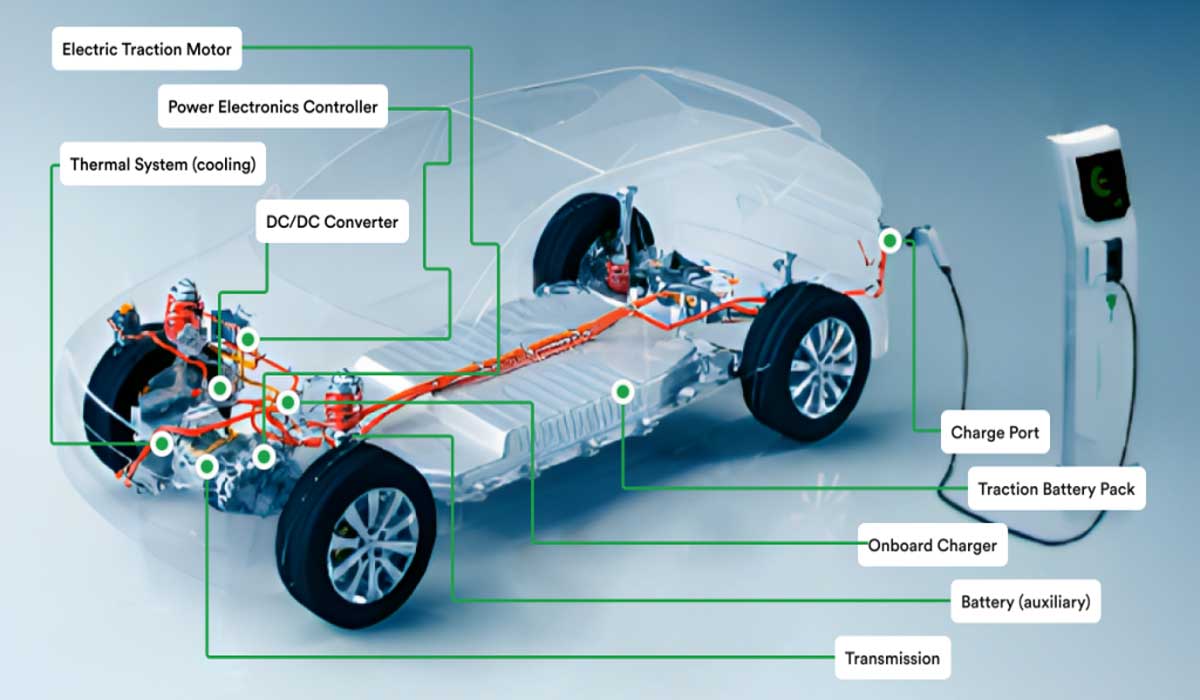
In general, hybrid vehicles are divided into three main types. The first is the Hybrid Electric Vehicle (HEV), which uses both an engine and an electric motor simultaneously, but the battery is charged only thru a regenerative system. The second is the Plug-in Hybrid Electric Vehicle (PHEV), whose battery can be recharged thru an external power source, allowing it to travel longer distances on electric power.
The third type is the Mild Hybrid MHEV, where the electric motor supports the main engine for efficiency, but the vehicle cannot run entirely on electricity. Each type has its advantages and disadvantages, depending on the user’s needs and daily mileage.
Latest Innovations in Hybrid Technology
The automotive industry continues to develop hybrid technology to be more efficient and affordable. The latest innovations include batteries with larger capacities, intelligent energy management systems, and lighter yet powerful electric motors. This technology allows vehicles to travel further on electricity and enhances overall performance.
In addition, some manufacturers are integrating hybrid technology with smart connectivity systems. Users can monitor energy consumption, adjust driving modes, and plan battery charging thru a digital application. This feature not only enhances efficiency but also user comfort.
Future Hybrid Vehicle Trends
Hybrid vehicles are predicted to become an important part of future transportation. As environmental awareness increases, stricter emission regulations, and fluctuating fuel costs, the demand for eco-friendly vehicles continues to grow. Car manufacturers are also making significant investments in the development of hybrid and electric technologies.
Another trend is the integration of hybrid vehicles with renewable energy. For example, the use of solar panels to charge batteries or energy management systems connected to smart electrical grids. This approach supports sustainable mobility and reduces dependence on fossil fuels.
Conclusion
Hybrid vehicles are a revolution in the automotive world, offering energy efficiency, reduced emissions, and a more comfortable driving experience. By understanding the principles of operation, benefits, types, latest innovations, and future trends, users can make the most of this technology.
With the advancement of technology and environmental regulations, hybrid vehicles will increasingly become the primary choice for sustainable transportation, combining performance, comfort, and care for the Earth.
Image Source:
First Image from: www.chitkara.edu.in
Second Image from: www.rinf.tech