Hybrid Cars Uncovered Balancing Efficiency And Performance
As the automotive industry rapidly evolves, hybrid cars have emerged as a powerful solution for drivers seeking both efficiency and performance.
These vehicles combine traditional internal combustion engines with electric motors, offering a blend of fuel economy, lower emissions, and responsive driving experience. Understanding how hybrid technology works and the strategies behind its performance is key for consumers and enthusiasts alike. The following will The Green Motorist discuss Hybrid Cars Uncovered Balancing Efficiency And Performance.
Understanding Hybrid Technology
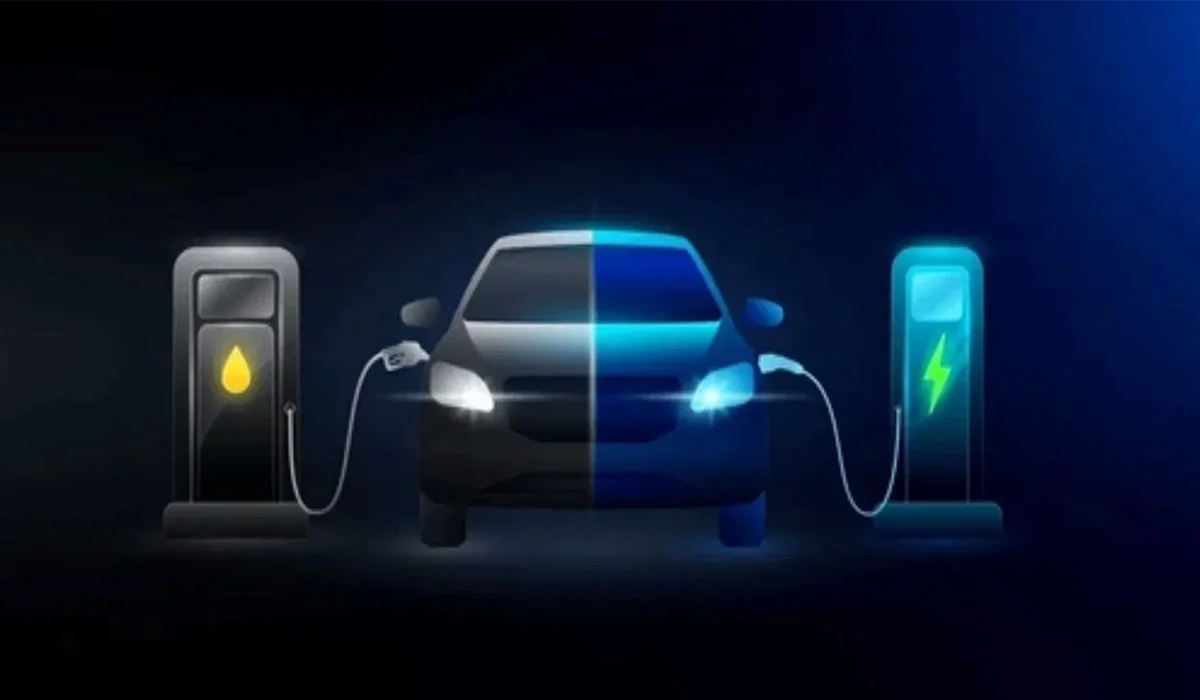
Hybrid vehicles utilize a combination of a gasoline engine and one or more electric motors. The system intelligently switches between power sources depending on driving conditions, allowing for optimized fuel efficiency. In city driving, the electric motor often handles most of the load, reducing fuel consumption and emissions, while the gasoline engine takes over for higher speeds or heavier loads.
Additionally, regenerative braking is a key feature in hybrid cars. When the driver brakes, energy that would normally be lost as heat is converted into electricity to recharge the battery. This not only enhances efficiency but also improves the vehicle’s overall sustainability and performance.
Balancing Efficiency With Performance
One of the main challenges of hybrid cars is achieving a balance between fuel efficiency and driving performance. Advanced hybrid systems are designed to provide quick acceleration while maintaining minimal fuel usage. This is made possible through seamless integration of the electric motor, which can deliver instant torque for a smooth and responsive driving experience.
Manufacturers also optimize the hybrid drivetrain to ensure that both the engine and motor work harmoniously. This balance allows drivers to enjoy powerful performance without sacrificing fuel economy, making hybrid cars an attractive alternative to conventional vehicles.
Environmental Impact And Sustainability
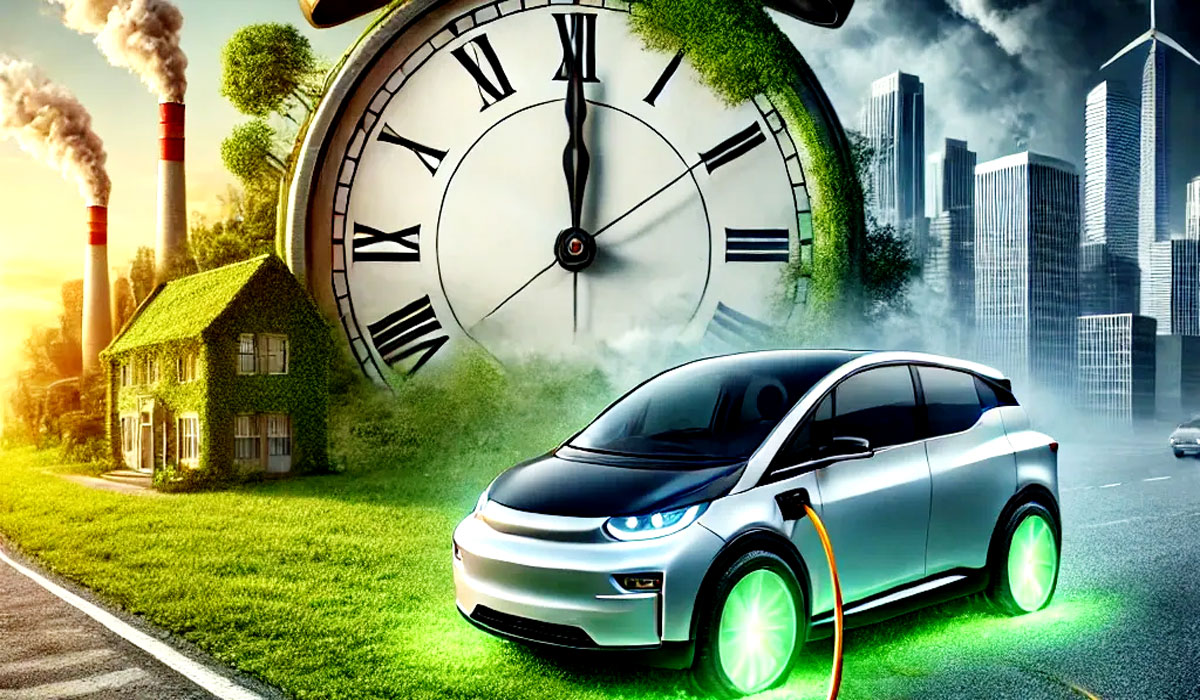
Hybrid cars play a significant role in reducing environmental impact. By relying on electric power for part of their operation, hybrids emit fewer greenhouse gases compared to traditional gasoline-only vehicles. This makes them a compelling option for drivers who are environmentally conscious and seeking to reduce their carbon footprint.
Moreover, hybrid technology encourages the development of more sustainable automotive practices. Manufacturers are increasingly investing in lightweight materials, efficient batteries, and innovative energy management systems to enhance overall vehicle sustainability while maintaining high performance.
Also Read: Auto Show 2026: A New Era of Modern Vehicles
Cost Considerations And Incentives

While hybrid cars can have higher upfront costs compared to conventional vehicles, the long-term savings on fuel can offset this initial investment. Many regions also offer tax incentives, rebates, or reduced registration fees to promote the adoption of hybrid vehicles. These financial benefits, combined with lower fuel consumption, make hybrids increasingly accessible to a wide range of consumers.
Maintenance costs for hybrids can also differ from traditional cars. While electric components like batteries may require specialized attention, the reduced strain on the gasoline engine can lead to longer engine life and fewer mechanical repairs over time. This balance of cost and efficiency adds to the overall value proposition of hybrid vehicles.
The Future Of Hybrid Cars
Hybrid technology continues to evolve, with manufacturers exploring plug-in hybrid systems, improved battery efficiency, and advanced electric drivetrains. These developments promise even greater fuel efficiency, reduced emissions, and enhanced driving dynamics. As battery technology improves, hybrid vehicles will become even more capable of competing with fully electric cars in terms of performance.
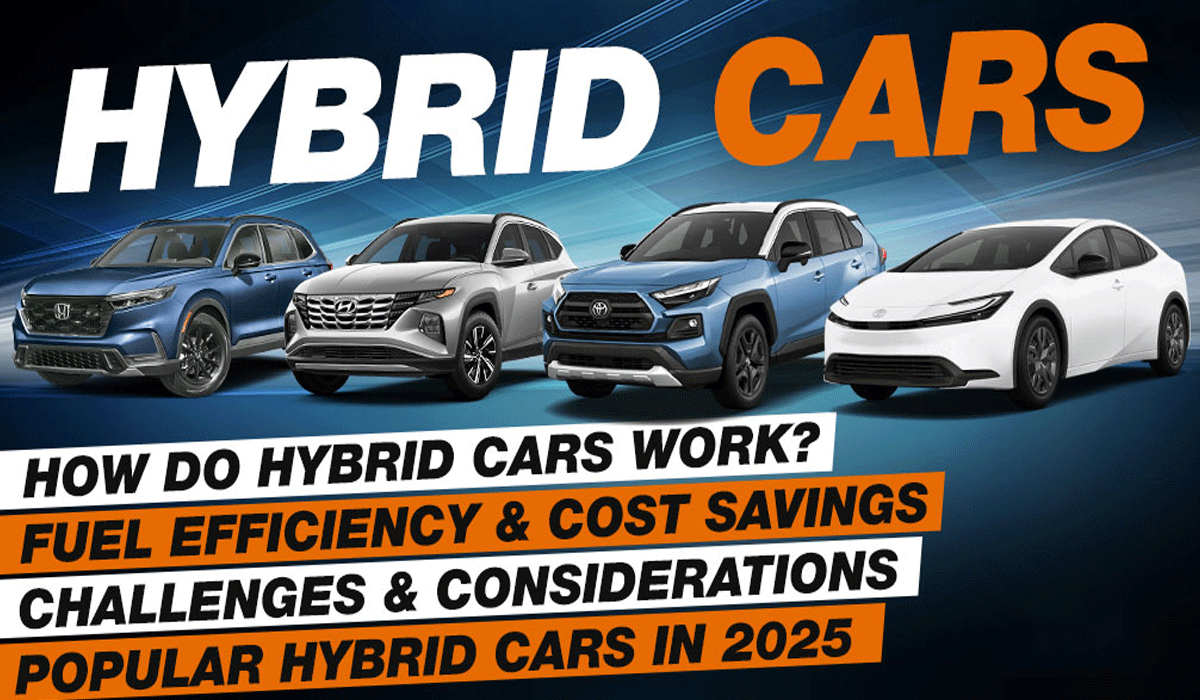
The continued adoption of hybrids reflects a shift in consumer priorities toward sustainability without compromising driving pleasure. As the market grows, drivers can expect a wider variety of hybrid options that cater to different lifestyles, from compact city cars to high-performance SUVs.
Conclusion
Hybrid cars successfully bridge the gap between fuel efficiency and driving performance, offering a sustainable yet practical solution for modern drivers. With innovative technology, environmental benefits, and evolving design, they represent a key step in the automotive industry’s journey toward greener transportation.
By balancing efficiency, performance, and cost considerations, hybrid vehicles provide a compelling choice for those seeking to reduce their carbon footprint while enjoying a responsive and enjoyable driving experience. The future of hybrid cars looks promising, combining technological innovation with environmental responsibility. Find fresh discoveries and premium updates, only available The Green Motorist here.
Image Source From.
- First Photo From: blog.beforward.jp/car-talk
- Second Photo of: The Green Motorist