Electric Vehicles Revolution: Driving Toward a Greener Future
The global transportation industry is undergoing one of the most significant transformations in modern history.
As concerns about climate change, air pollution, and fossil fuel dependence continue to rise, electric vehicles have emerged as a powerful solution. What was once considered a niche innovation is now becoming a mainstream movement reshaping roads around the world.
This The Green Motorist article will explore how the electric vehicle revolution is driving us toward a greener future, examining technological advancements, environmental impact, economic influence, infrastructure development, consumer adoption, and the challenges ahead.
The Rise of Electric Vehicle Technology
Electric vehicles have evolved dramatically over the past decade. Early models faced limitations such as short driving ranges and long charging times, but technological breakthroughs have significantly improved battery efficiency and performance. Modern EVs now offer competitive ranges and faster charging capabilities that rival traditional gasoline-powered cars.
Battery innovation remains at the heart of this transformation. Advances in lithium-ion technology, along with research into solid-state batteries, promise even greater energy density, safety, and longevity. As technology continues to improve, electric vehicles are becoming more reliable and accessible to a broader audience.
Environmental Benefits and Climate Impact
One of the primary motivations behind the electric vehicle revolution is environmental protection. Unlike conventional vehicles that burn fossil fuels, EVs produce zero tailpipe emissions. This significantly reduces air pollution in urban areas and lowers greenhouse gas emissions when powered by renewable energy sources.
The long-term climate impact is substantial. As electricity grids increasingly incorporate solar, wind, and other clean energy sources, the carbon footprint of electric vehicles continues to decrease. This shift plays a crucial role in global efforts to combat climate change and create sustainable cities.
Economic Opportunities and Industry Growth

The rise of electric vehicles has created new economic opportunities across multiple industries. Automakers are investing billions in research, development, and production of EV models. This transformation is generating jobs in battery manufacturing, software engineering, charging infrastructure, and renewable energy sectors.
In addition, governments worldwide are offering incentives and tax benefits to encourage EV adoption. These policies not only stimulate economic growth but also accelerate the transition to cleaner transportation systems.
Expanding Charging Infrastructure
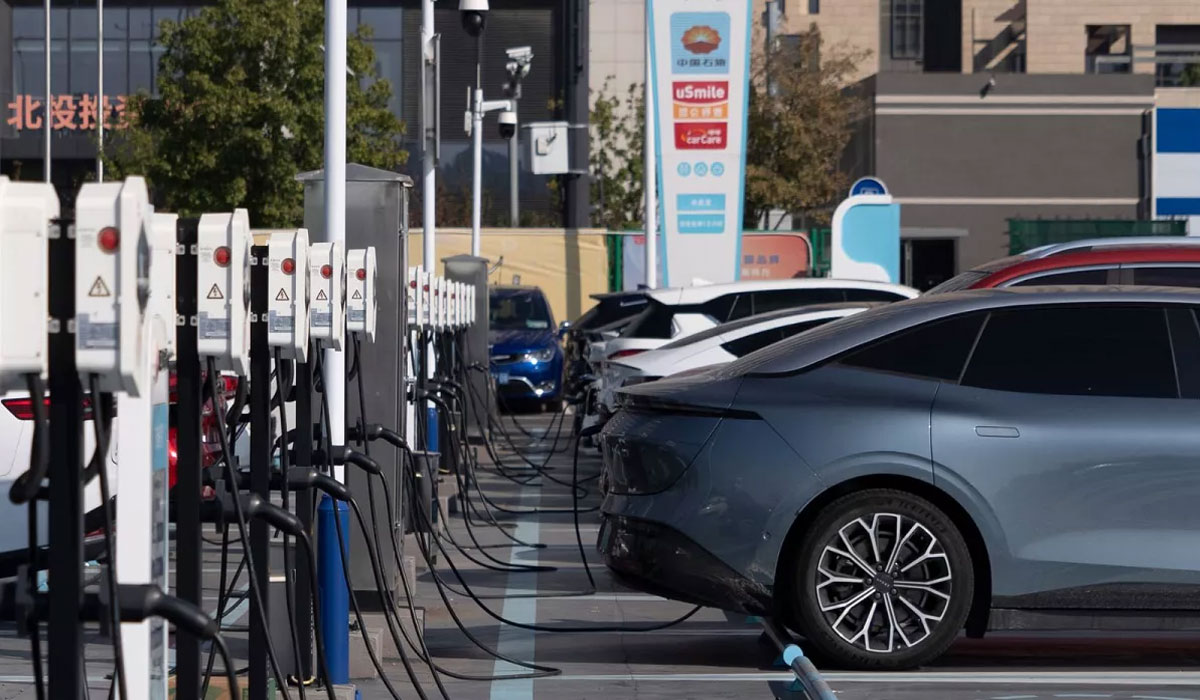
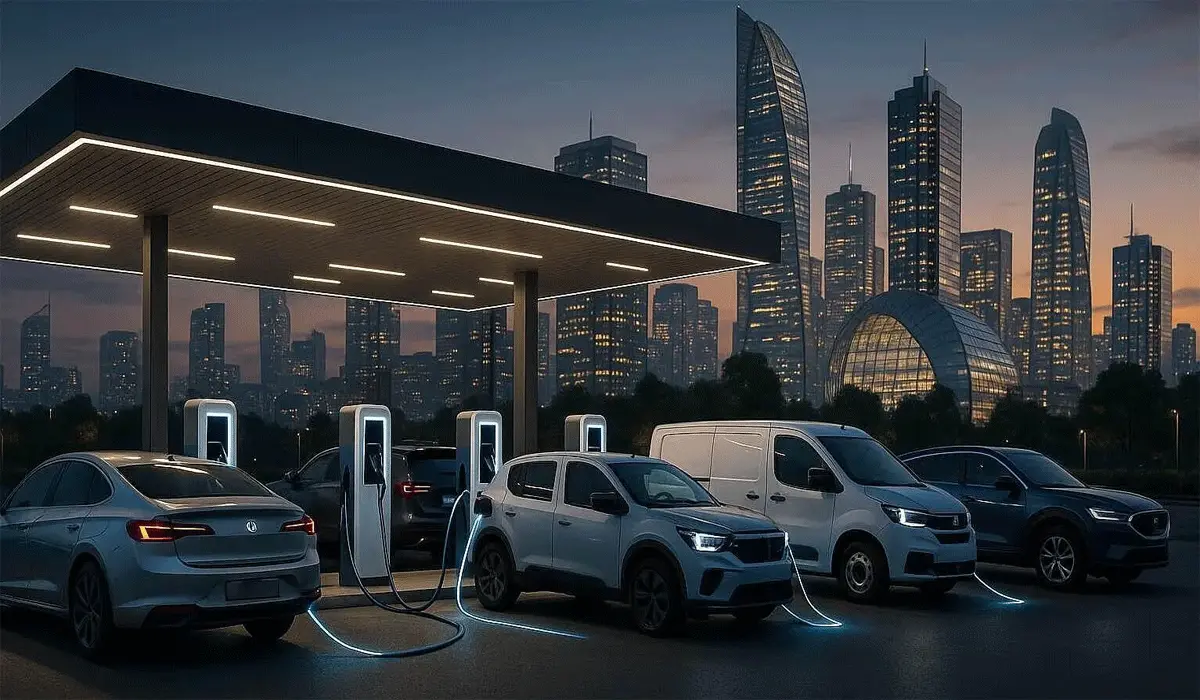
A key factor in the success of electric vehicles is the development of reliable charging infrastructure. Public charging stations are becoming more common in cities, highways, and residential areas. Fast-charging networks allow drivers to recharge their vehicles in a fraction of the time required just a few years ago.
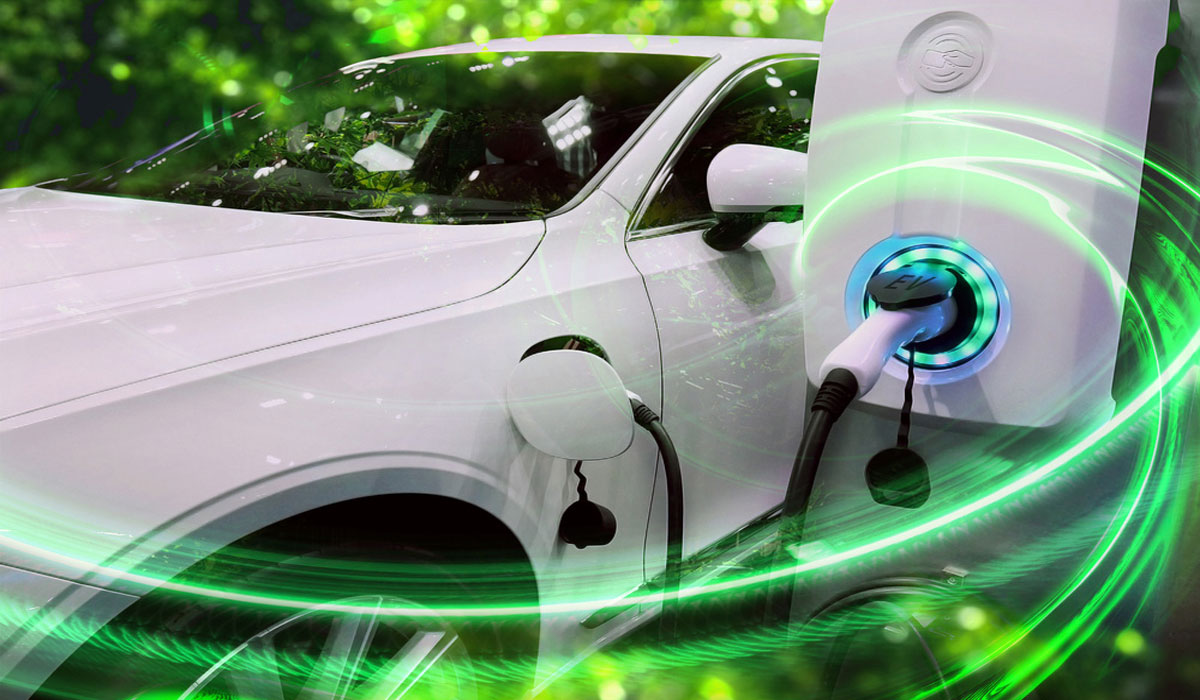
Home charging solutions also contribute to convenience and adoption. With the ability to charge overnight, many EV owners start each day with a full battery. Continued investment in infrastructure is essential to support the growing number of electric vehicles on the road.
Changing Consumer Attitudes
Consumer perception of electric vehicles has shifted dramatically. What was once seen as an expensive or experimental option is now viewed as innovative, practical, and environmentally responsible. Improvements in design, performance, and affordability have increased confidence among buyers.
Younger generations, in particular, prioritize sustainability when making purchasing decisions. As awareness of environmental issues grows, more consumers are choosing electric vehicles not only for economic reasons but also to align with their personal values.
Challenges and the Road Ahead
Despite rapid progress, challenges remain. High upfront costs, limited charging access in certain regions, and concerns about battery recycling are ongoing issues that require attention. Addressing these challenges will require collaboration between governments, private companies, and researchers.
However, the momentum of the electric vehicle revolution is undeniable. Continued innovation, policy support, and consumer demand are likely to drive further advancements. With sustained effort, electric vehicles can become a cornerstone of sustainable transportation worldwide.
Conclusion
The electric vehicle revolution represents more than a technological shift; it is a movement toward a cleaner and more sustainable future. Through advancements in technology, environmental benefits, economic growth, infrastructure expansion, and changing consumer attitudes, EVs are reshaping the global transportation landscape.
While challenges remain, the direction is clear. Take your time to read the latest information that will broaden your horizons, only available at The Green Motorist.
Image Source:
First Image from etedge-insights.com
Second Image from thegreenmotorist.com