Electric Cars: A Solution For The Future Or Just An Expensive Trend?
Electric cars have gained massive attention during recent years as nations search for cleaner mobility options.
Rising fuel prices, urban pollution, plus climate concerns push governments, companies, consumers toward alternative transportation.
Electric vehicles appear as a promising answer since they rely on batteries rather than fossil fuels. Supporters view this technology as a long term solution capable of reshaping global transport systems.
Critics, however, question whether electric cars truly solve environmental problems or simply represent a costly lifestyle symbol for wealthy consumers.
Below, The Green Motorist Electric Cars A Solution For The Future Or Just An Expensive Trend?
Environmental Promise Behind Electric Vehicles
Electric cars often receive praise for producing zero exhaust emissions during use. This feature reduces air pollution in crowded cities, improving public health plus quality of life.
Many studies suggest electric vehicles help lower greenhouse gas output when compared with conventional cars powered by gasoline. Cleaner streets plus quieter traffic also create a more pleasant urban atmosphere.
However, environmental benefits depend heavily on electricity sources. Regions relying on coal or oil power plants may see limited emission reductions.
Battery production also raises concerns related to mining activities, waste management, plus energy consumption. These factors complicate the claim that electric cars represent a completely clean solution for future mobility.
Economic Barriers Limiting Wider Adoption
High purchase prices remain one of the biggest challenges facing electric car adoption. Battery technology, advanced software, plus limited production scale contribute to higher costs compared with traditional vehicles. For many consumers, electric cars remain out of reach without government subsidies or tax incentives.
Maintenance costs often appear lower since electric motors contain fewer moving parts. Savings from fuel expenses also attract buyers.
Yet replacement batteries remain expensive, creating anxiety regarding long term ownership. Charging infrastructure limitations further discourage potential users, especially within rural regions or developing economies where access remains uneven.
Read Also: Electric Vehicles: Efficiency And Future-Ready Driving
Technological Progress Shaping Market Growth
Rapid innovation continues transforming electric vehicle performance. Battery capacity increases yearly, offering longer driving ranges plus shorter charging times.
Manufacturers invest heavily within research efforts, aiming to improve efficiency while reducing production costs. These improvements slowly address consumer concerns related to convenience plus reliability.
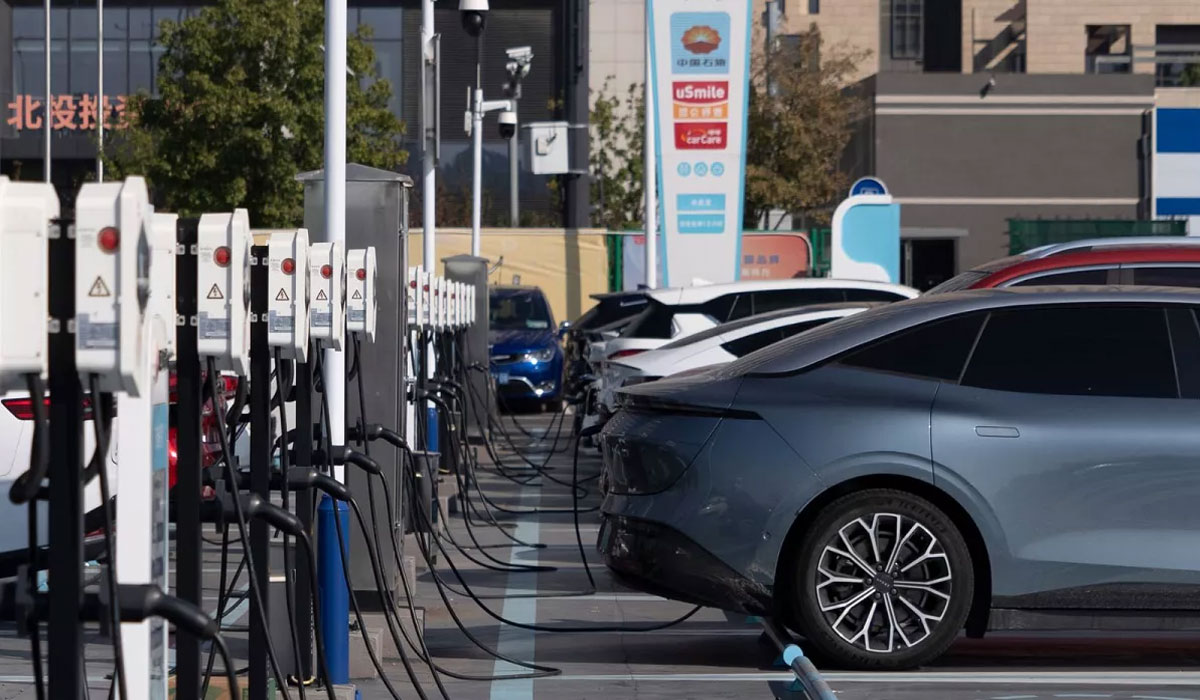
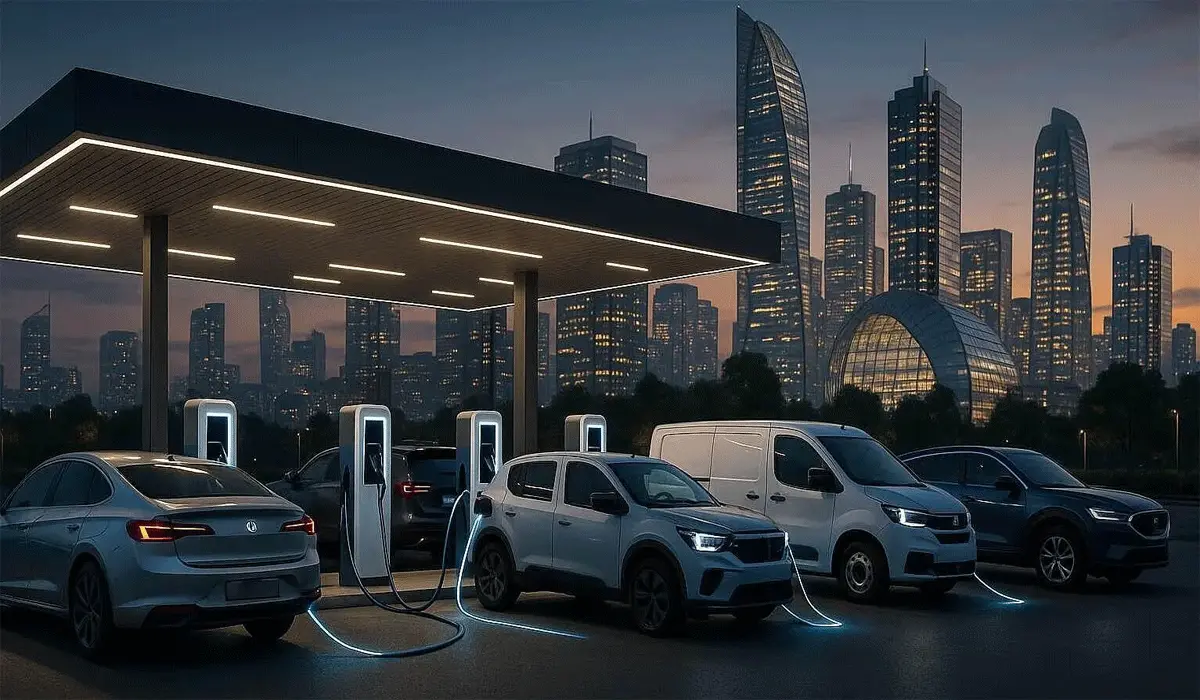
Charging technology also evolves with fast charging stations spreading across major highways plus cities. Wireless charging concepts appear within experimental stages, promising easier daily use.
Software integration allows smarter energy management, navigation optimization, plus remote monitoring, making electric cars more appealing for tech oriented buyers.
Social Perception Plus Lifestyle Influence
Electric cars often carry an image associated with innovation, modernity, plus environmental awareness. Early adopters frequently view ownership as a personal statement reflecting values related to sustainability. Social influence plays a significant role, especially among urban professionals who value technological advancement.
However, critics argue electric cars sometimes function more as status symbols rather than practical necessities. Luxury electric models dominate media coverage, reinforcing perceptions of exclusivity.
Without affordable options targeting broader populations, electric mobility risks remaining limited to privileged groups rather than becoming a universal solution.
Long Term Outlook For Electric Mobility
Electric cars present undeniable potential for reducing emissions, reshaping transportation habits, improving urban living conditions.
Their success depends on continued technological progress, supportive policies, plus responsible energy production. Without clean electricity sources, benefits remain partially unrealized.
Whether electric cars represent a true solution or an expensive trend depends on future commitment from governments, industries, consumers. Expanding infrastructure, lowering costs, strengthening environmental standards will determine their role within global mobility.
Electric vehicles may not provide a perfect answer today, yet they represent an important step toward a more sustainable transport future.
Thank you for reading this guide on building a business from scratch, Don’t hesitate to come back again by clicking this link, Build Business Success.
Image information from:
- The first image of japantimes.co.jp
- Second Image of autopi.io