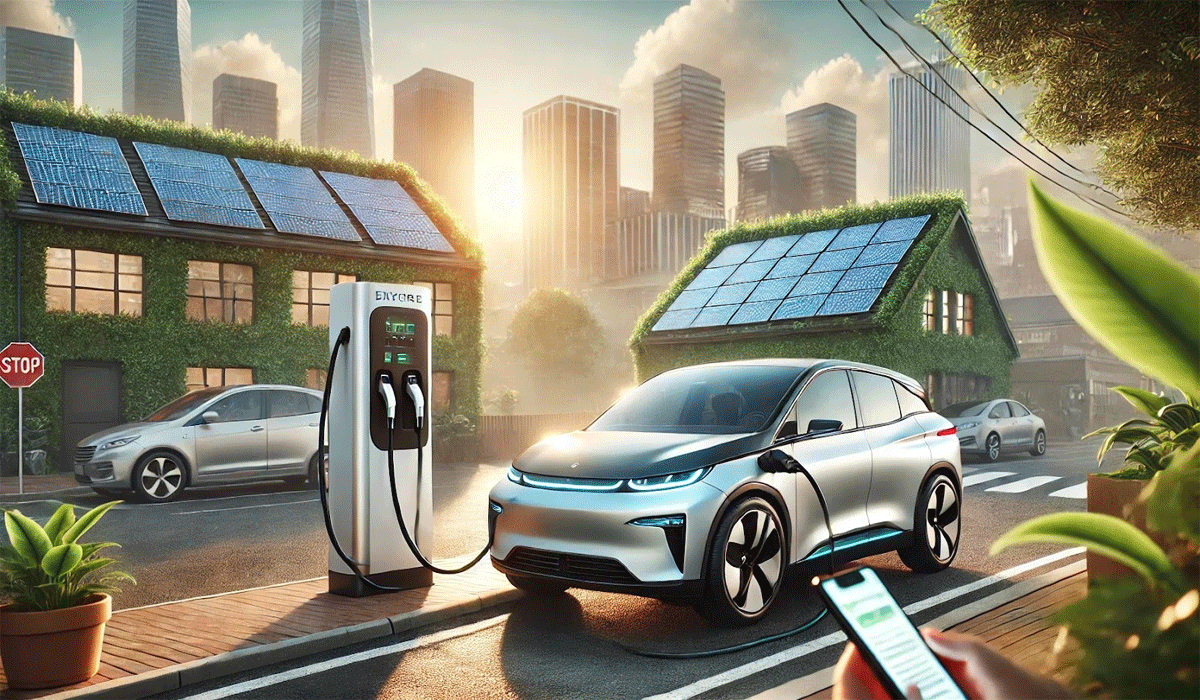
Driving into Tomorrow, The Rise Of Electric Vehicles
With growing concerns about air pollution and climate change, electric vehicles (EVs) are emerging as an attractive, clean alternative to traditional cars.
The way we drive is changing rapidly. From cutting-edge battery technology to cost-saving benefits and environmental impact, EVs are not only a glimpse of the future but also shaping the roads we travel today. Below, The Green Motorist we’ll provide a complete explanation.
A Cleaner Road Ahead
Electric vehicles (EVs) are changing the way we think about transportation. Unlike traditional cars that rely on gasoline or diesel, EVs run on electricity, which can come from renewable sources like solar or wind. This shift reduces the amount of harmful gases released into the atmosphere, making cities cleaner and healthier. People living in urban areas can breathe easier as smog and air pollution begin to decrease.
The technology behind EVs is evolving rapidly. Battery efficiency has improved, allowing cars to travel longer distances on a single charge. Manufacturers are also designing lightweight materials and better aerodynamics, which make these vehicles more energy-efficient. The combination of clean energy and advanced technology means that EVs are no longer just eco-friendly, they are practical for everyday use.
Governments around the world are encouraging this transition by offering incentives like tax breaks and free charging stations. These policies make it easier for people to switch to EVs without worrying about the cost. The future of transportation is bright, and electric vehicles are at the forefront of this change.
The Power Of Electric Engines
Electric engines work differently from traditional combustion engines. Instead of burning fuel to create power, EV motors use electricity stored in batteries. This makes them quieter, smoother, and more responsive. Drivers can enjoy instant acceleration without the loud noises and vibrations typical of gas-powered cars. The simplicity of electric motors also reduces the need for frequent maintenance.
One of the most important parts of an EV is its battery. Modern lithium-ion batteries can store a large amount of energy and charge quickly. Some models can reach an 80% charge in less than half an hour, making them convenient for long trips. As battery technology continues to improve, EVs will soon match or even exceed the range of traditional cars.
Charging infrastructure is growing fast. Public and home charging stations are becoming more common, ensuring that drivers can keep their vehicles powered without much hassle. With better energy management and smart charging systems, EVs are not just efficient, they are changing the way people experience driving.
Read Also: High-Performance Zero-Emission Electric Sports Car
Saving Money While Saving The Planet

Owning an electric vehicle can be more affordable in the long run. Although the initial cost may be higher than traditional cars, the savings on fuel and maintenance make a big difference. Electricity is cheaper than gasoline, and electric motors have fewer moving parts that can break or wear out. Drivers spend less on repairs and regular upkeep.
EV owners can also take advantage of government incentives and rebates, which lower the purchase price. Many cities offer free or discounted parking, as well as access to special lanes for low-emission vehicles. These benefits make EVs attractive not just for environmental reasons but also for cost-conscious consumers.
Another financial advantage comes from energy efficiency. EVs convert most of the energy from the battery into movement, while gasoline engines lose a lot of energy as heat. Over time, this efficiency translates into substantial savings. By switching to an electric vehicle, people contribute to a greener planet while keeping their wallets happy.
Challenges and Innovations
Despite their benefits, electric vehicles face some challenges. Battery production can have environmental impacts, and charging stations are still limited in some regions. However, ongoing innovations are addressing these issues. Companies are working on recycling old batteries and creating new ones with less environmental footprint.
Range anxiety, the fear of running out of power, is decreasing as batteries become more powerful and charging networks expand. New EV models can now travel hundreds of kilometers without needing a recharge. Some carmakers are even exploring solar panels and regenerative braking to extend battery life.
The automotive industry is also exploring autonomous driving and smart vehicle technologies. EVs are a perfect platform for these innovations because of their modern electrical systems. As technology advances, electric vehicles will not only be cleaner but also smarter, safer, and more connected.
A Sustainable Future For Everyone
Electric vehicles are more than just a trend, they represent a major shift toward sustainability. Cities with more EVs see lower pollution levels and a reduced carbon footprint. This contributes to global efforts against climate change and protects natural resources for future generations.
Communities around the world are starting to embrace this change. Public transportation systems are adopting electric buses, and companies are electrifying delivery fleets. Even renewable energy producers benefit, as EVs create new demand for green electricity. Together, these efforts create a cleaner, more sustainable transportation ecosystem.
The road ahead is exciting. As technology improves and awareness grows, more people will choose electric vehicles, making our planet healthier and our cities quieter. Driving into tomorrow means embracing clean, efficient, and innovative transportation for everyone. Discover more about how Electric Vehicles are shaping a cleaner, smarter future.
Image Information:
The first image of getdriversed.com
The second image of www.woli.io
