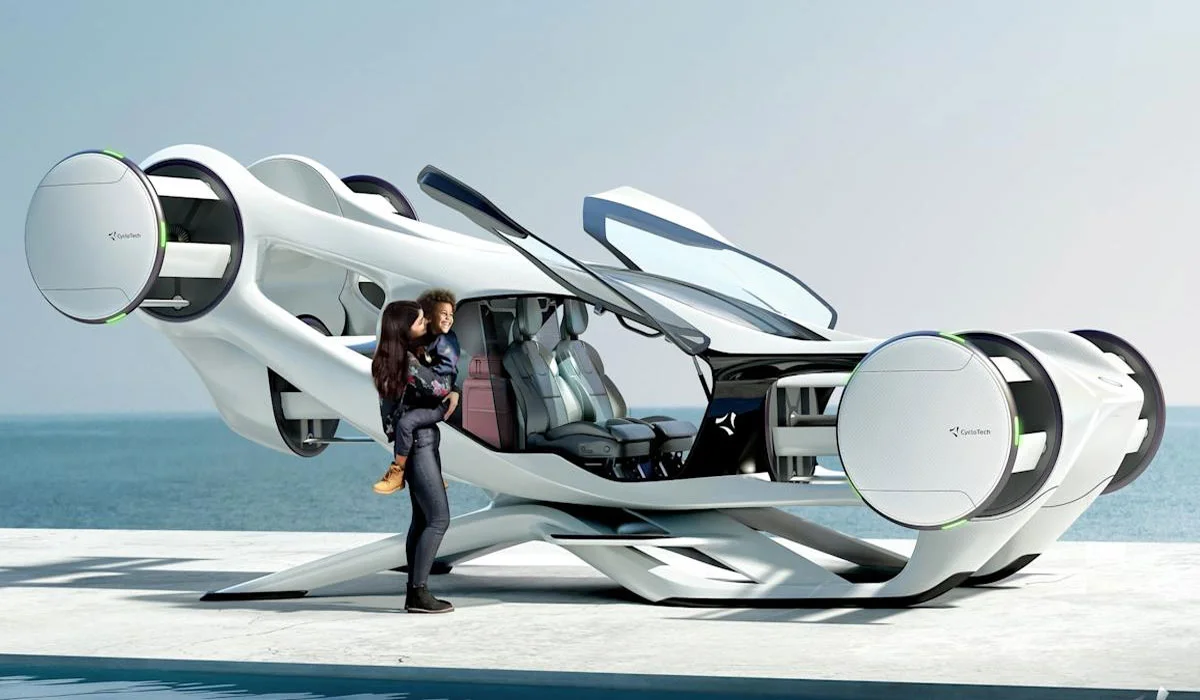
Flying Electric Cars Are Starting to Get Global Attention
Flying Electric Cars are a future transportation innovation that is efficient and environmentally friendly.
Flying electric cars are a future transportation innovation that combines land and air vehicles with advanced electric technology. Below, The Green Motorist will discuss the development, technology, benefits, challenges, and future of electric-based air transportation innovation globally.
Developments in Air Vehicle Technology
Transportation technology has continued to experience significant progress in recent decades, with increasingly efficient electric-based innovations. Automotive companies and startups are racing to create Flying Electric Cars as a fast and flexible future mobility solution. Significant investment support from various countries is accelerating the research and development of personal air vehicle prototypes.
Testing is being conducted in stages to ensure the safety and energy efficiency of modern aviation systems. The integration of artificial intelligence helps improve navigation and automatic control during more stable journeys. Government regulations are being developed to support the implementation of this technology in a well-structured global public transportation system.
How It Works and Key Technologies
The electric air vehicle concept utilizes a battery-based propulsion system and propellers designed to generate optimal lift. The development of the Flying Electric Car utilizes vertical takeoff and landing technology, enabling takeoffs without long runways. This system reduces space requirements and increases flexibility for use in dense urban areas.
A high-capacity battery is a key component that determines the vehicle’s range and flight duration. Advanced sensors and software help maintain stability and safety during flights in various weather conditions. Continuous development is underway to improve energy efficiency and significantly reduce operational costs in the long term.
Also Read: The Most Expensive and Fastest Electric Car on the Market Today
Benefits for Future Transportation
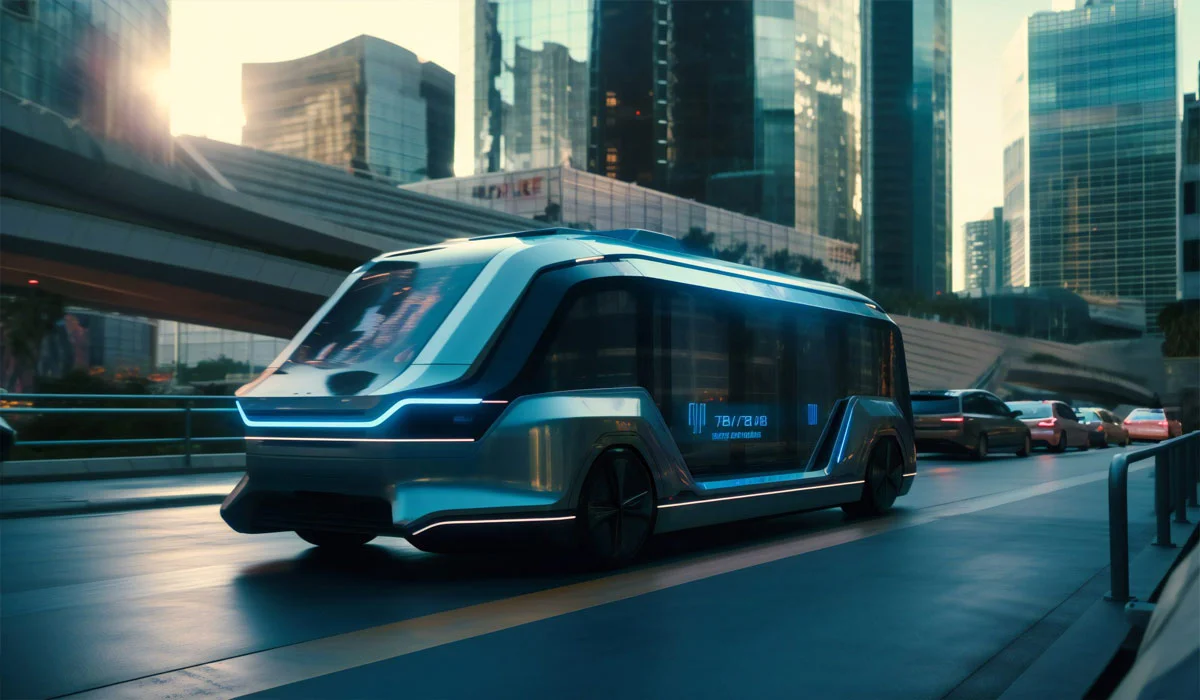
Electric-based air transportation innovations offer significant benefits in increasing mobility efficiency in both urban and inter-city areas. The presence of Flying Electric Cars can reduce traffic congestion that often occurs on conventional land routes. Travel times are shortened, thereby increasing overall community productivity in various daily activities.
Furthermore, the use of electric energy helps reduce carbon emissions, which impact the global environment. This transportation also provides a solution for reaching remote areas that are difficult to access by traditional land routes. With the support of modern technology, this system has the potential to become a vital part of a sustainable future transportation ecosystem.
Challenges and Obstacles to Development
Despite promising advantages, the development of electric air vehicles still faces several complex challenges in their widespread implementation. One major obstacle is the relatively high production cost of Flying Electric Cars compared to current conventional vehicles. Supporting infrastructure, such as vertiports, is also not yet evenly available in urban and other areas.
Aviation safety regulations are a crucial aspect that must be met before this technology can be commercially used. Furthermore, battery capacity remains a constraint in terms of vehicle durability and range. Collaborative efforts between the government and industry are needed to effectively address these challenges.
Future and Global Potential
The prospects for electric aerial vehicles are expected to become increasingly bright as the need for fast and efficient mobility increases in both developing and developed countries. The use of electric flying cars has the potential to become a key solution in a digitally integrated smart transportation system. Technological innovation continues to advance to improve the safety, comfort, and energy efficiency of these vehicles.
Increasing global investment demonstrates confidence in the industry’s significant future potential. Cross-sector collaboration between technology and transportation will accelerate the adoption of aerial vehicles in people’s daily lives. With continued development, this technology is predicted to become a crucial part of the transformation of global mobility towards a more environmentally friendly one.
mage information:
First Image from: tech.yahoo.com
Second Image from: assetgo.co.uk
