The Use of Electric Vehicles in Protecting the Environment
Electric vehicles have become one of the most important innovations in modern transportation.
The adoption of electric vehicles represents a major step toward creating a cleaner and more sustainable future. By reducing harmful emissions and lowering dependence on fossil fuels, EVs offer an environmentally friendly transportation solution. As technology continues to advance, electric vehicles are becoming more efficient, accessible, and attractive for consumers around the world who are looking for eco-friendly mobility options.
Reducing Carbon Emissions Through Electric Mobility
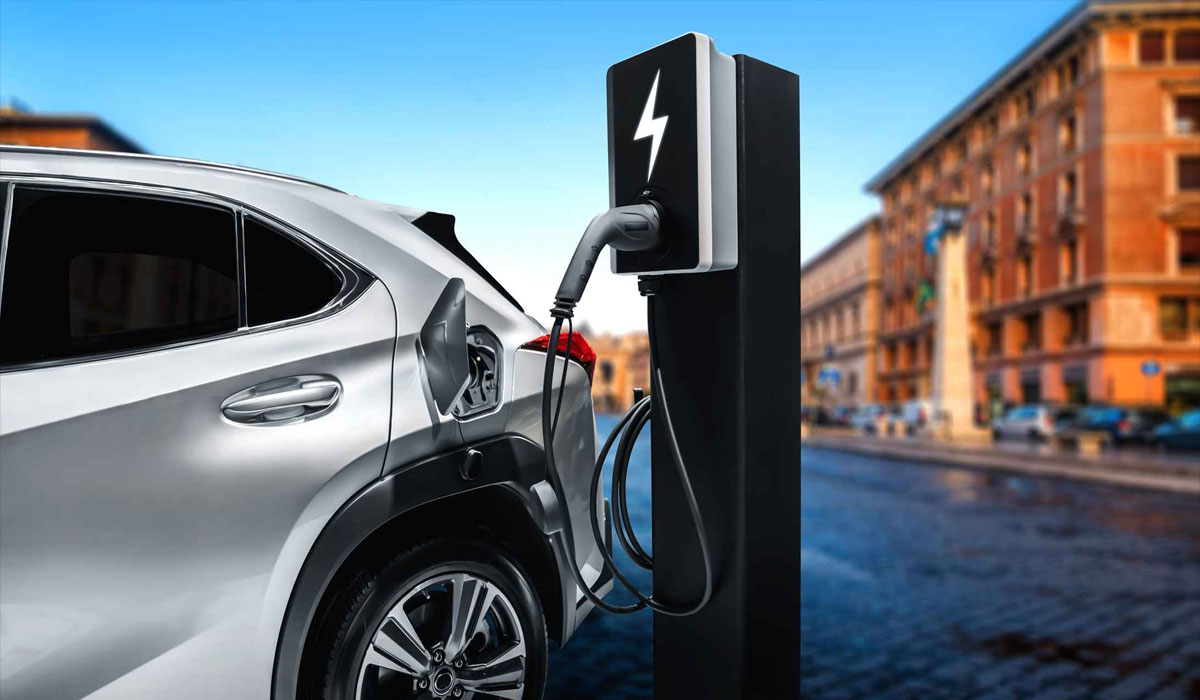
One of the primary environmental benefits of electric vehicles is their ability to significantly reduce carbon emissions. Traditional vehicles powered by gasoline or diesel release carbon dioxide and other greenhouse gases into the atmosphere. These emissions contribute heavily to global warming and climate change. Electric vehicles, on the other hand, produce zero tailpipe emissions while operating.
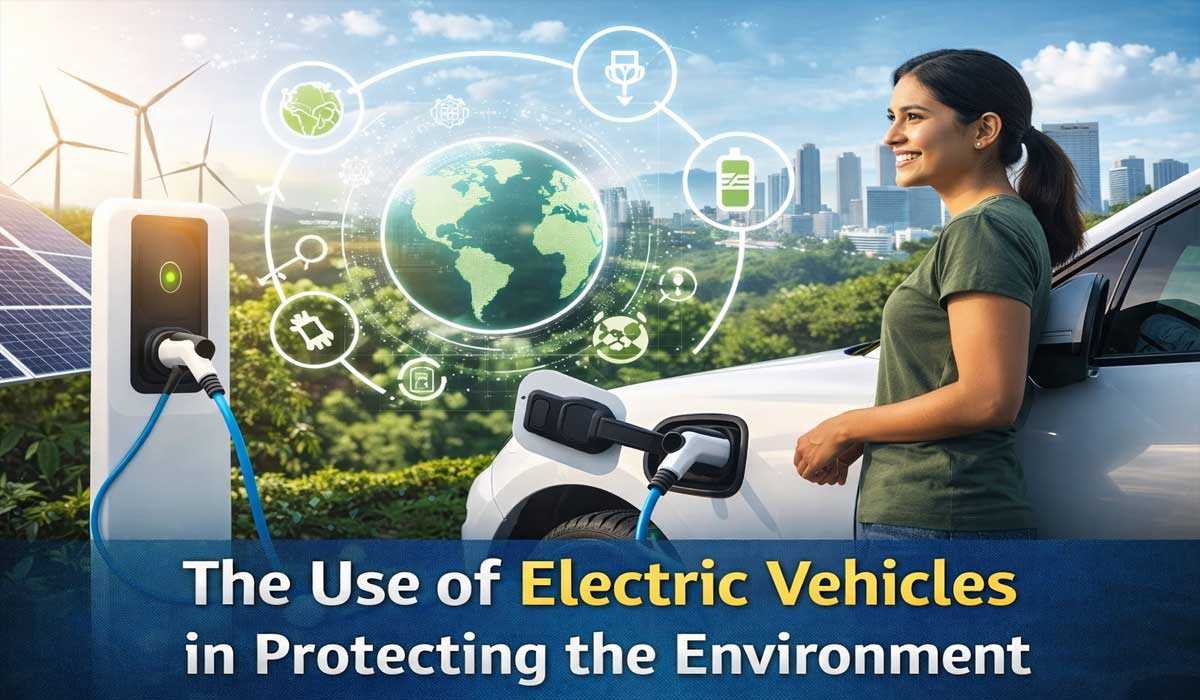
Although electricity generation may still involve some carbon emissions in certain regions, the overall environmental impact of electric vehicles is generally much lower compared to conventional cars. As renewable energy sources such as solar and wind power continue to expand, the carbon footprint associated with charging electric vehicles will decrease even further. This makes EVs an increasingly sustainable transportation choice.
Improving Air Quality in Urban Areas
Air pollution is a major problem in many large cities around the world. Vehicle exhaust from traditional combustion engines releases pollutants such as nitrogen oxides, carbon monoxide, and particulate matter. These substances can harm human health and contribute to respiratory diseases. Electric vehicles help address this problem by eliminating exhaust emissions during operation.
When more electric vehicles are used in urban environments, the concentration of harmful pollutants in the air can be significantly reduced. This leads to improved air quality and healthier living conditions for city residents. Cleaner air not only benefits public health but also contributes to a more pleasant and sustainable urban environment.
Energy Efficiency and Sustainable Transportation
Electric vehicles are generally more energy efficient than traditional vehicles powered by internal combustion engines. Electric motors convert a larger percentage of energy from the battery into motion, while gasoline engines lose a significant amount of energy as heat. This higher efficiency allows electric vehicles to travel farther using less energy overall.
In addition, many electric vehicles use regenerative braking systems that capture energy normally lost during braking and convert it back into electricity. This technology further improves energy efficiency and extends battery life. By maximizing energy use and minimizing waste, electric vehicles play an important role in supporting sustainable transportation systems.
Read Also: From Energy to Motion: How Electric Vehicles Transform Technology
Supporting the Growth of Renewable Energy
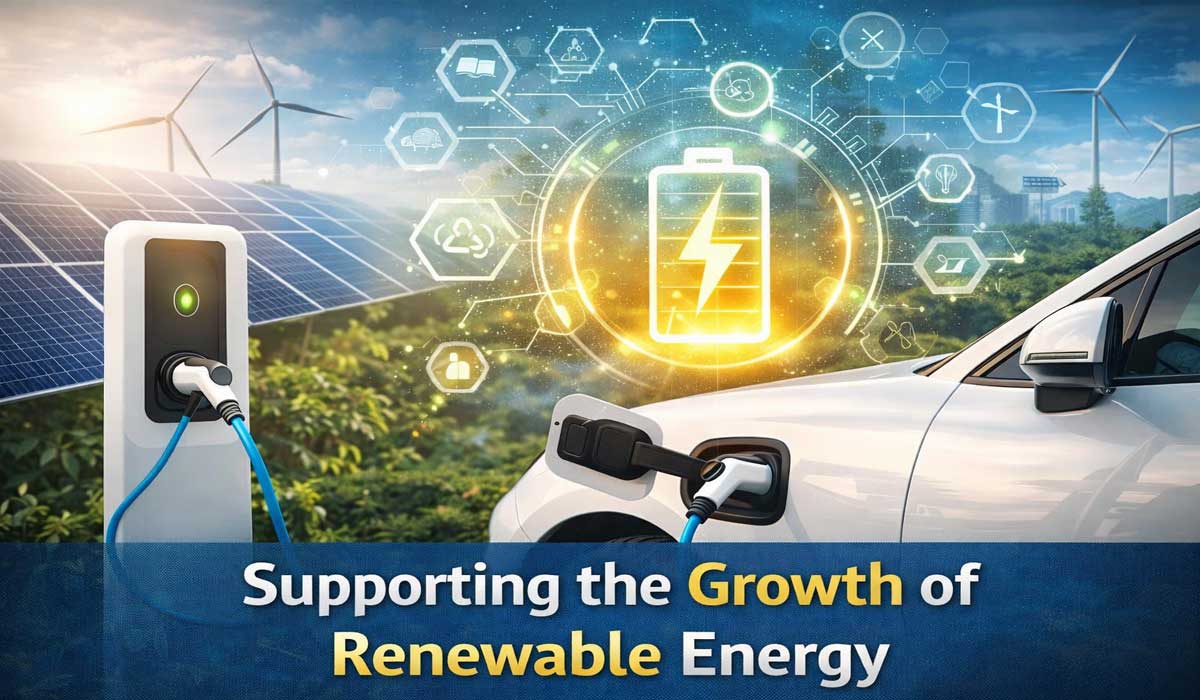
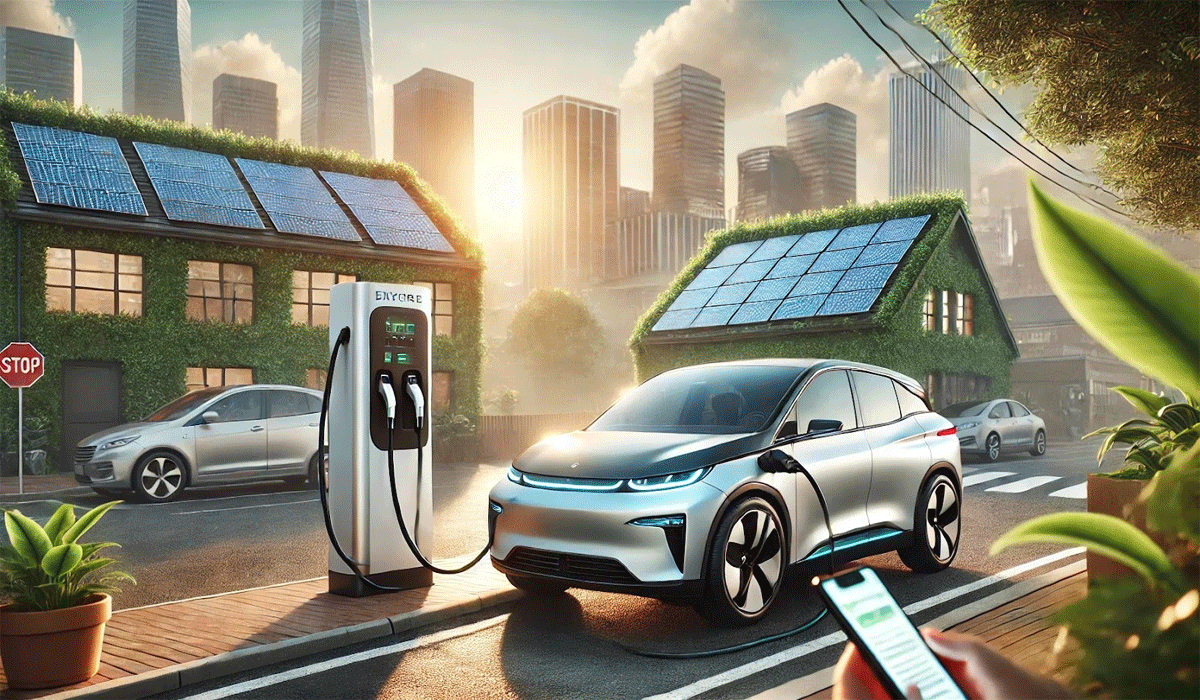
Electric vehicles also support the development and expansion of renewable energy technologies. As EV adoption grows, the demand for clean electricity increases as well. This creates an opportunity for energy providers to invest more heavily in renewable energy sources such as solar, wind, and hydropower.
In the future, electric vehicles may even help stabilize power grids through smart charging systems and vehicle-to-grid technology. These systems allow EV batteries to store energy during periods of low demand and return electricity to the grid when needed. Such innovations could help create a more resilient and sustainable energy ecosystem.
Encouraging Environmental Awareness and Innovation
The growing popularity of electric vehicles has also raised public awareness about environmental protection. Consumers who choose electric transportation often become more conscious of their environmental impact and are more likely to support sustainable practices in other areas of life. This shift in mindset can contribute to broader environmental improvements.
Furthermore, the electric vehicle industry continues to drive technological innovation. Companies are developing more advanced batteries, improved charging infrastructure, and more efficient vehicle designs. These innovations not only improve EV performance but also accelerate progress toward a greener transportation future.
Conclusion
Electric vehicles represent an important step toward protecting the environment and reducing the negative impact of transportation on the planet. By lowering carbon emissions, improving air quality, and promoting energy efficiency, EVs provide a practical solution for addressing many environmental challenges associated with traditional vehicles.
As technology continues to improve and renewable energy becomes more widely available, the benefits of electric vehicles will become even greater. Encouraging the adoption of EVs can help create cleaner cities, healthier communities, and a more sustainable future for generations to come.
Image Source:
First Image from thegreenmotorist.com
Second Image from thegreenmotorist.com