The Future of Transportation: The Rise of Electric Vehicles
The transport industry is evolving, with new technologies and sustainability driving shifts in how people and goods move.
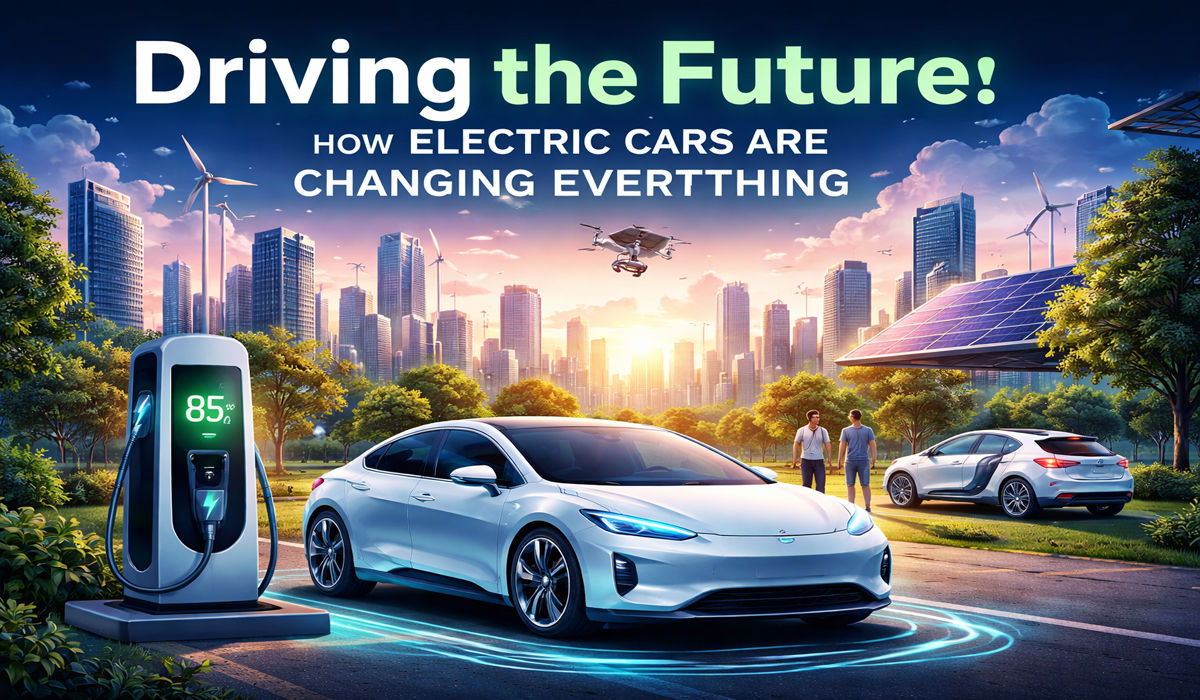
As concerns about climate change, pollution, and the depletion of fossil fuels grow, electric vehicles (EVs) have emerged as a crucial solution. Governments worldwide are supporting this transition through incentives, subsidies, and stricter emission regulations. As a result, more consumers and manufacturers are shifting toward EV technology.
This global movement marks the beginning of a cleaner, The Green Motorist and more sustainable era in transportation one that relies on renewable energy instead of traditional gasoline-powered engines.
Technological Innovations Driving EV Growth
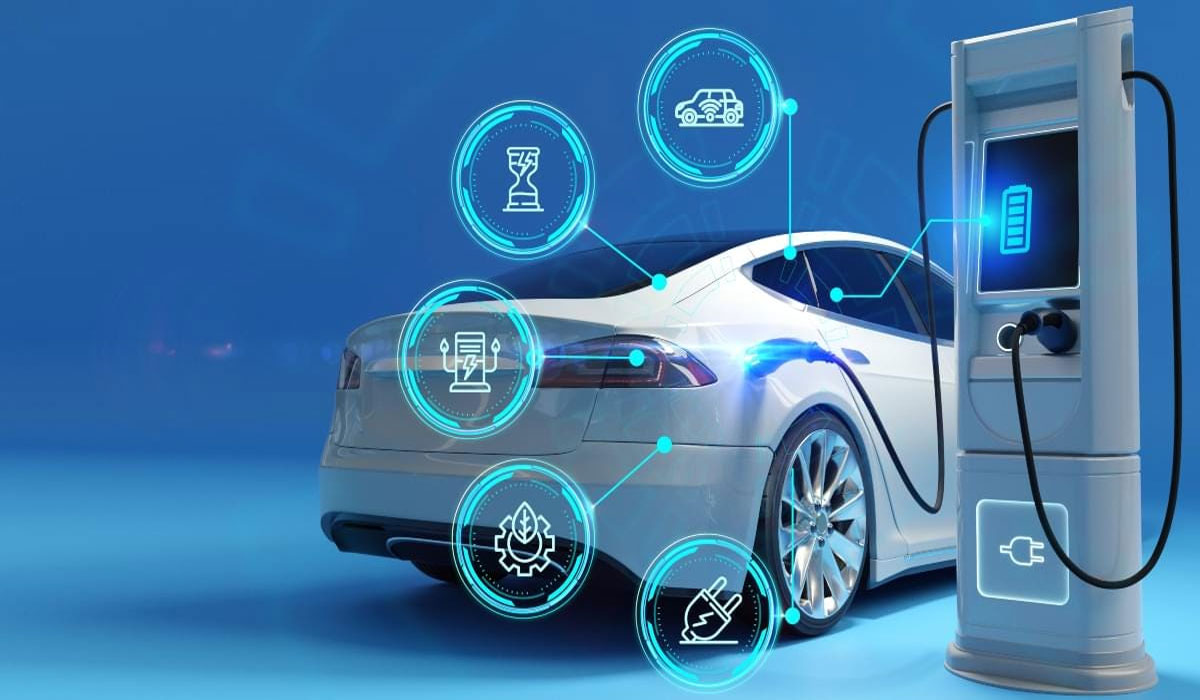
Technological advancements play a vital role in accelerating the rise of electric vehicles. Modern EVs come equipped with high-capacity batteries that deliver longer driving ranges and faster charging times. Companies are currently developing solid-state batteries, which promise improved safety, durability, and efficiency compared to conventional lithium-ion technology.
The rapid expansion of fast-charging networks worldwide also makes EV ownership more convenient. Smart features like autonomous driving, over-the-air software updates, and advanced connectivity are further redefining the driving experience. These innovations are not only transforming transportation but also shaping the future of automotive technology.
Economic and Environmental Benefits
The global shift to electric vehicles brings significant economic and environmental benefits. EVs require less maintenance than traditional vehicles due to fewer moving parts and the absence of oil-based engines. Over time, this results in lower ownership costs for consumers.
From an environmental standpoint, electric vehicles drastically reduce greenhouse gas emissions, especially when powered by renewable energy sources like solar and wind. Many major cities are already witnessing improved air quality as electric buses, taxis, and delivery fleets become more common. This transition supports global efforts to achieve net-zero emissions and reduce the impacts of climate change.
Also Read: Latest Trends in Hybrid Cars in the Global Market
Challenges and the Road Ahead

Despite their rapid adoption, electric vehicles still face several challenges. Charging infrastructure needs expansion, particularly in rural and remote areas. Battery production requires rare materials, raising concerns about sustainable sourcing and supply chain stability. Additionally, some consumers remain hesitant due to the initial cost of EVs, although prices are gradually decreasing as technology advances.
Overcoming these obstacles will require collaboration among governments, manufacturers, and energy providers. With continued investment and innovation, electric vehicles are expected to dominate the global transportation market in the coming decade.
The Future Vision: A Fully Electrified Transportation Ecosystem
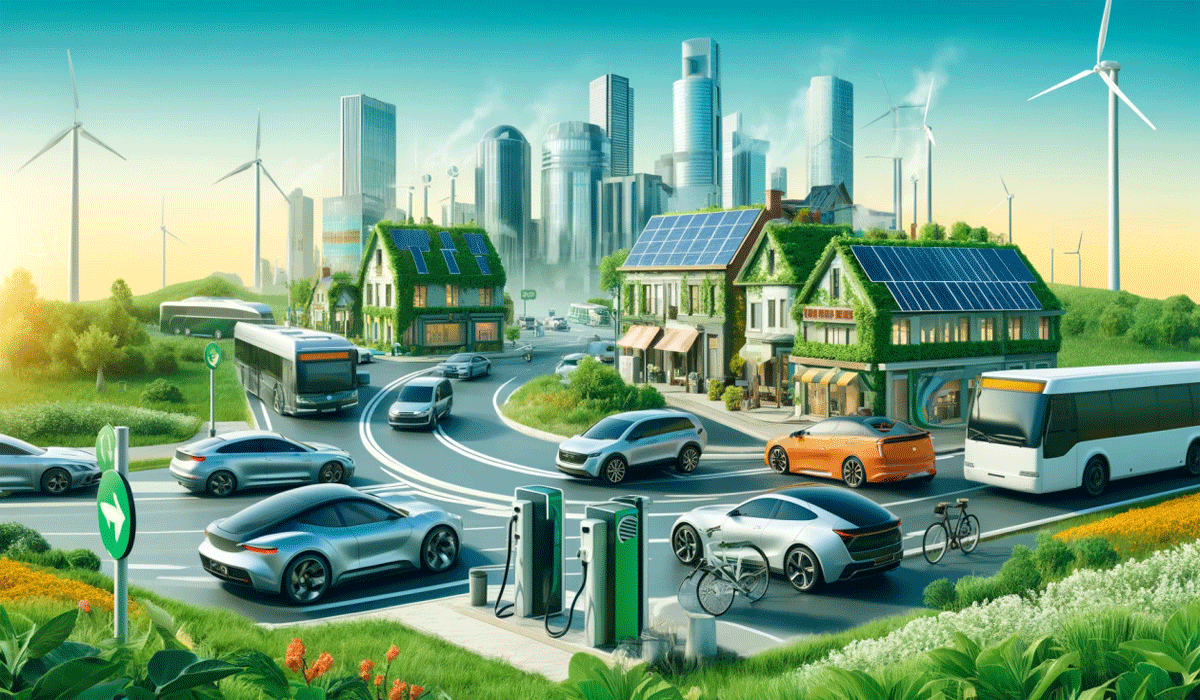
The future of transportation extends beyond personal electric cars. Experts envision a fully electrified ecosystem that includes electric buses, trucks, motorcycles, and even aircraft. Public transportation systems are transitioning toward electric fleets to reduce emissions on a larger scale. Meanwhile, companies are developing electric cargo trucks to make logistics more efficient and environmentally friendly.
Emerging technologies such as electric vertical takeoff and landing (eVTOL) aircraft could soon revolutionize urban mobility by reducing traffic congestion and creating new aerial transportation routes. As these technologies mature, the world is moving toward an interconnected, sustainable transportation network powered entirely by clean energy. Thank you for visiting this news about The Green Motorist.
Image information from:
The first image: medium.com
The second image: vecteezy.com