The Future Of Electric Vehicles In Modern Transportation
Electric vehicles (EVs) are becoming an important part of modern transportation as society strives to create a cleaner environment.
The future of transportation depends heavily on innovation, sustainability, and efficiency. Electric vehicles represent a major step forward, offering reduced emissions, lower operating costs, and improved driving experiences. As infrastructure and technology continue to evolve, EVs are expected to reshape how people move in cities and beyond.
EV Technology Advancements
Technology plays a crucial role in the rapid development of electric vehicles. Improvements in battery capacity, charging speed, and energy efficiency have made EVs more reliable and accessible. Modern batteries now offer longer driving ranges, reducing concerns about frequent charging.
Advancements in software and smart systems also enhance vehicle performance. Features such as energy management, regenerative braking, and real-time monitoring improve efficiency and safety. These innovations make electric vehicles competitive with traditional vehicles in terms of convenience and usability.
As research continues, future technologies are expected to further reduce costs and improve durability. This progress will encourage wider adoption and strengthen the role of EVs in modern transportation systems.
Environmental & Sustainability Benefits
One of the strongest advantages of electric vehicles is their positive environmental impact. EVs produce zero direct emissions, helping reduce air pollution in urban areas. This contributes to cleaner air and healthier living environments for communities.
Electric vehicles also support global efforts to reduce carbon footprints. When combined with renewable energy sources, EVs significantly lower greenhouse gas emissions compared to conventional vehicles. This aligns transportation with broader sustainability goals.
In the long term, widespread EV adoption can help conserve natural resources and reduce dependence on fossil fuels. These environmental benefits make electric vehicles a key solution for sustainable mobility.
Read Also: Advantages and Disadvantages of Electric Vehicles
EV Infrastructure & Charging
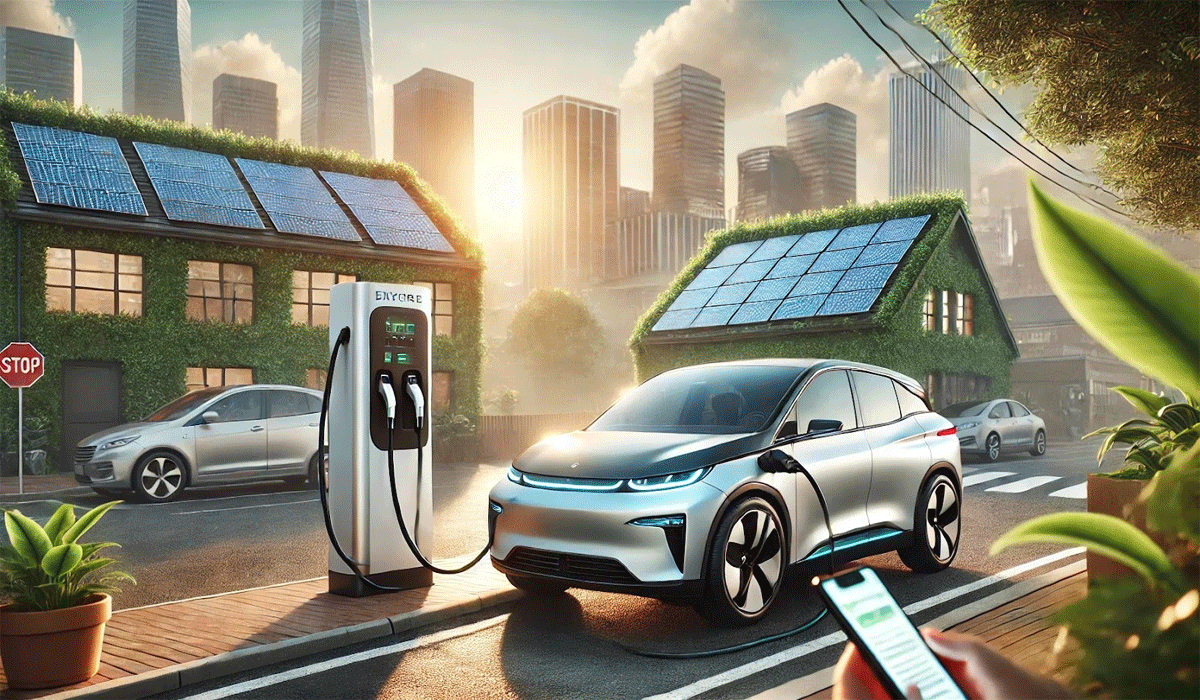
The growth of electric vehicles depends on strong charging infrastructure. Governments and private sectors are investing in charging stations to support increasing demand. Public charging networks are expanding rapidly in cities, highways, and residential areas.
Fast-charging technology is also improving, allowing drivers to recharge vehicles in shorter periods. This reduces waiting times and makes long-distance travel more convenient. Home charging solutions further enhance flexibility for daily use.
As infrastructure continues to improve, charging accessibility will become less of a barrier. A reliable charging network is essential for ensuring the long-term success of electric vehicles.
Economic Impact and Market Growth
Electric vehicles are creating new economic opportunities across industries. Manufacturing, battery production, and software development are generating jobs and encouraging innovation. This growth supports economic development in multiple sectors.
For consumers, EVs offer long-term cost savings through lower fuel and maintenance expenses. As production scales up, vehicle prices are expected to become more affordable, making EVs accessible to a broader market.
Market competition also drives improvement. As more manufacturers enter the EV space, consumers benefit from better quality, variety, and pricing, accelerating the transition to electric transportation.
Consumer Adoption And Lifestyle Changes
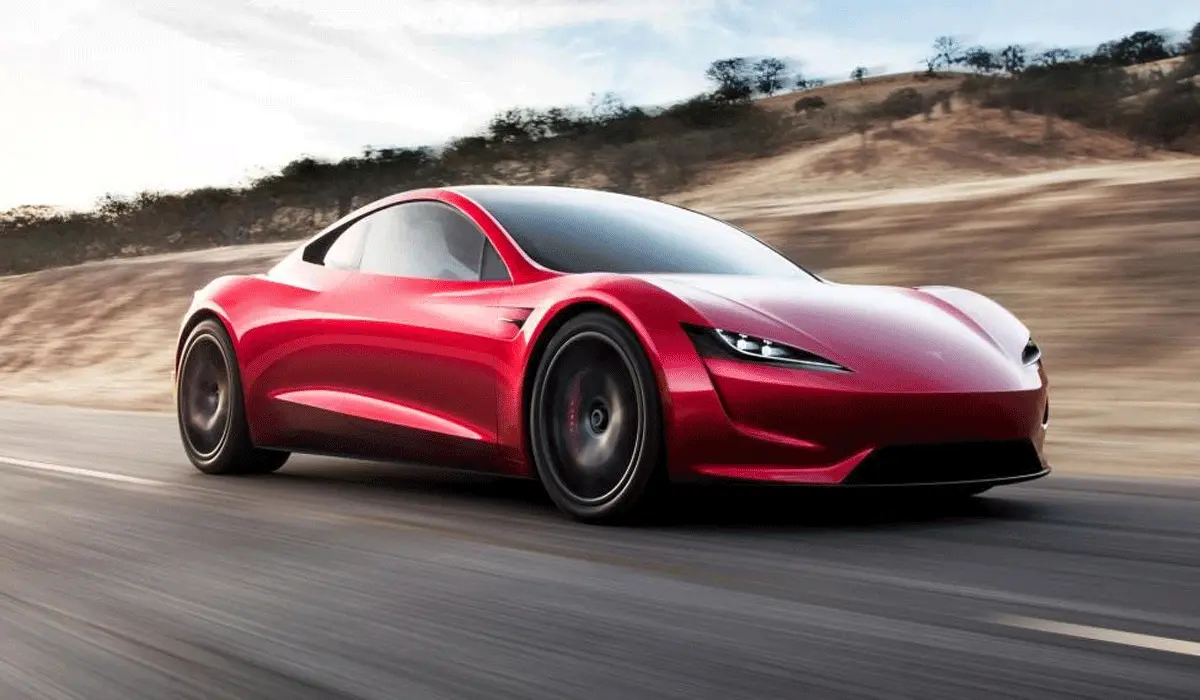
Consumer perception of electric vehicles has shifted significantly. EVs are now seen as practical, stylish, and efficient rather than experimental. Improved design and performance have increased their appeal across different age groups.
Lifestyle changes also support EV adoption. Urban living, shorter commutes, and environmental awareness encourage people to choose electric transportation. Smart features and quiet operation enhance daily driving comfort.
As awareness grows, consumers are more willing to embrace electric vehicles as part of a modern, sustainable lifestyle. This cultural shift is vital for the future of transportation.
Conclusion
The future of electric vehicles in modern transportation is promising and transformative. Technological progress, environmental benefits, and economic opportunities position EVs as a key solution for sustainable mobility.
As infrastructure improves and consumer acceptance grows, electric vehicles will play an increasingly important role in shaping efficient, clean, and innovative transportation systems worldwide.
Image Source:
- First Image: https://www.google.com
- Second Image: https://www.innovationnewsnetwork.com