The Future of Driving Uncovers the Electric Vehicle Revolution
The development of transportation technology has entered an exciting phase with the emergence of electric vehicles (EVs).
This innovation is not just a passing trend, but a revolution that is impacting the way humans move and interact with the environment. With increasing awareness of climate change, the need for energy efficiency, and the push for government regulations worldwide. Check out the complete facts about the Future of Driving, only at The Green Motorist.
Evolution of Electric Vehicles
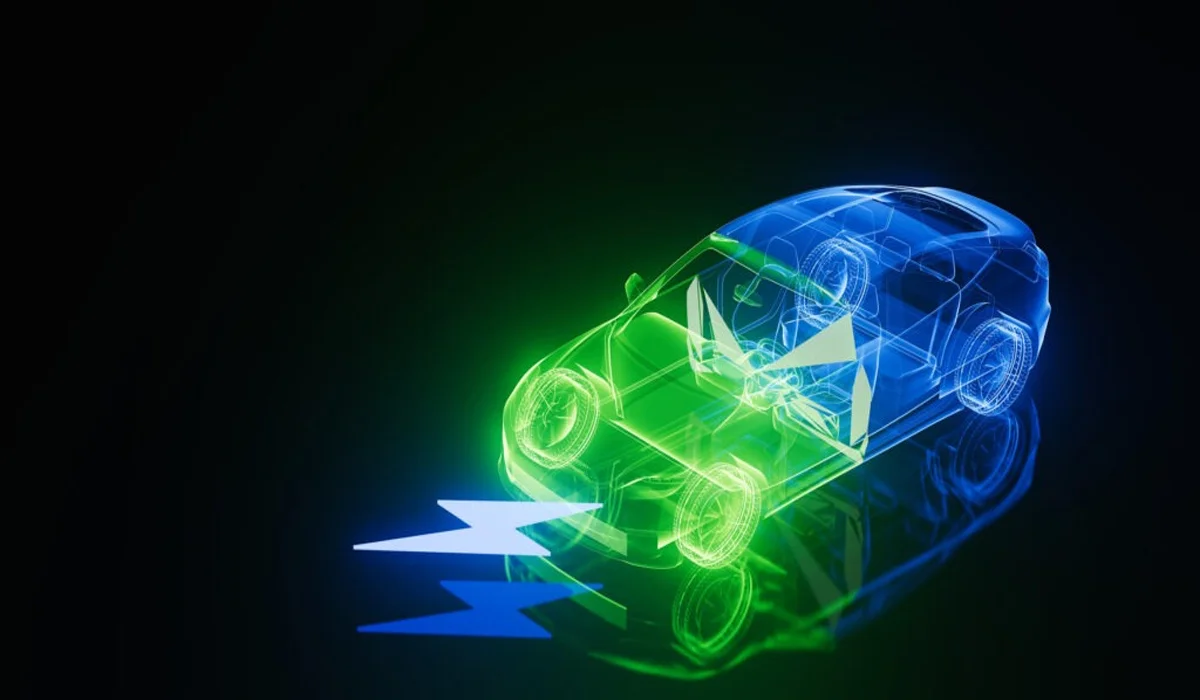
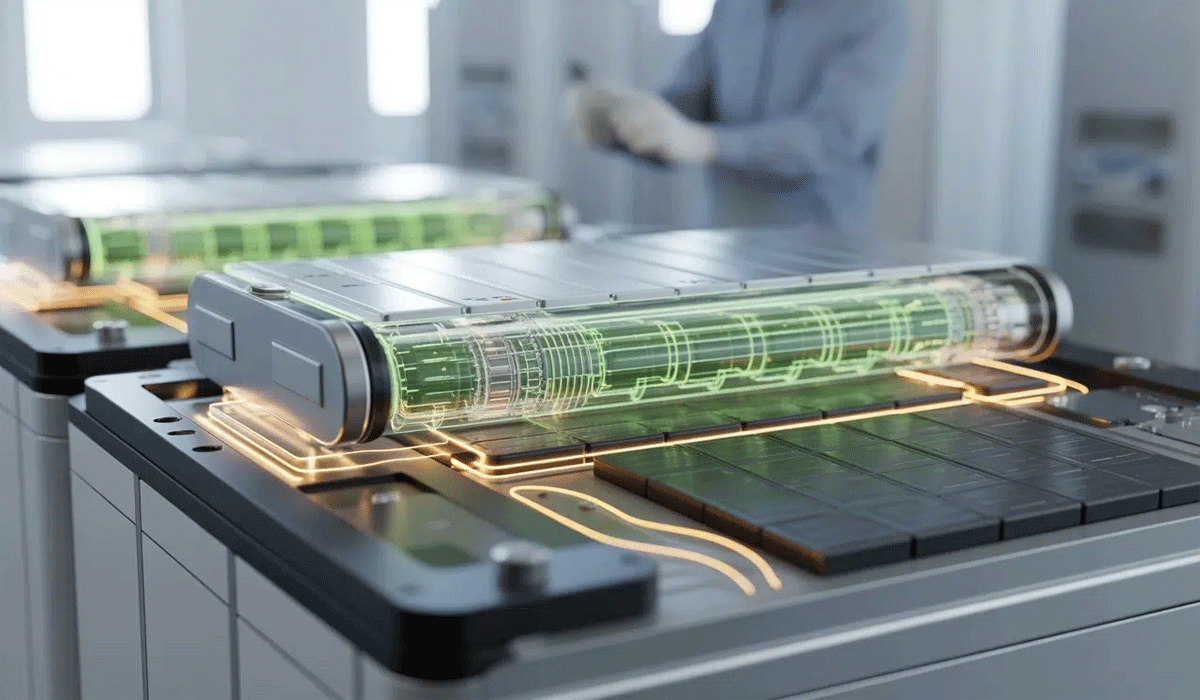
The history of electric vehicles actually began more than a century ago, but the technology at that time was not yet able to compete with fossil-fueled vehicles. The development of batteries, particularly lithium-ion, was a major turning point in the advancement of modern EVs. Lighter, more efficient batteries with longer ranges have made electric vehicles practical for everyday use.
In addition to batteries, electric motor technology has also undergone significant improvements. Modern motors are more efficient, offer instant torque, and require less maintenance than conventional engines. These advantages not only improve vehicle performance but also reduce long-term operating costs, making electric vehicles an increasingly attractive option for the public and the transportation industry.
Environmental Impact and Sustainability
One of the main reasons behind the adoption of electric vehicles is their impact on the environment. Electric vehicles produce no exhaust emissions while driving, thus helping to reduce air pollution in large cities. This has a direct impact on people’s quality of life, reducing the risk of respiratory diseases, and reducing their contribution to global climate change.
Furthermore, the transition to electric vehicles also encourages the use of renewable energy. If the electricity used to charge batteries is sourced from solar or wind energy, the environmental benefits are even greater. Battery recycling processes are also being developed to minimize hazardous waste. Thus, electric vehicles are not only a transportation solution, but also part of a long-term strategy for the sustainability of the planet.
Read Also: Motor Show 2026: The Future of Automobiles on Display
Charging Infrastructure and Technology
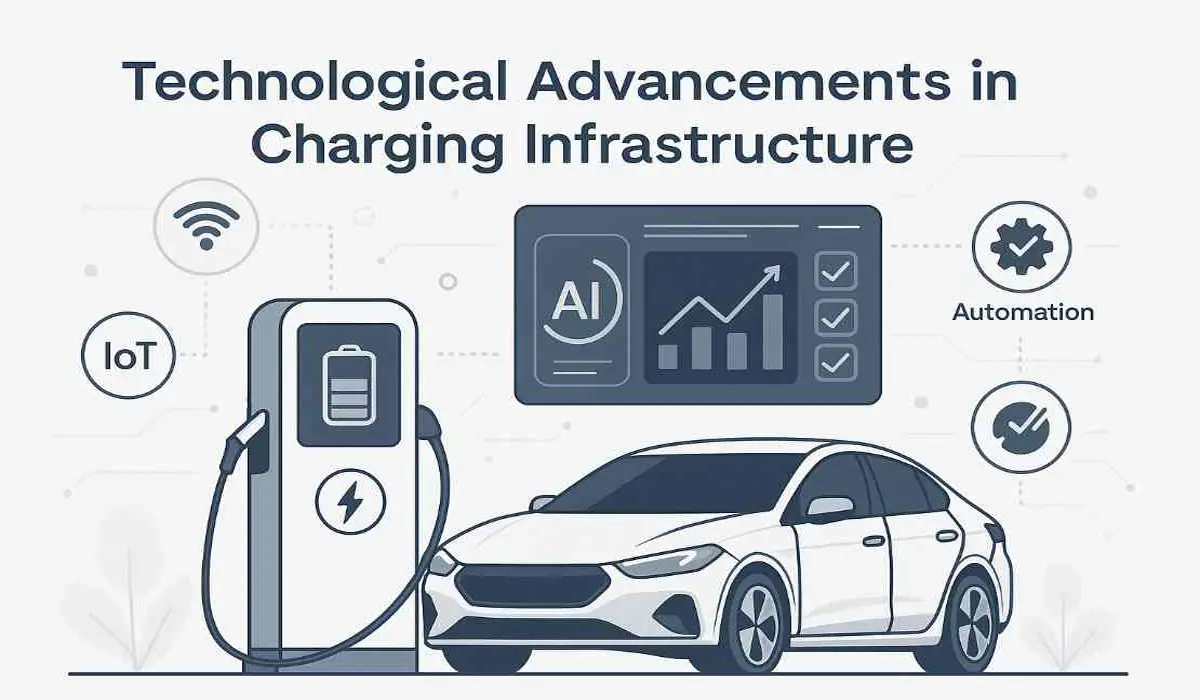
The advancement of electric vehicles will not be maximized without adequate infrastructure support. Charging stations are now increasingly common in city centers, shopping malls, and toll roads. Fast charging technology allows batteries to be charged up to 80% in less than an hour, alleviating concerns about limited range.
Furthermore, the development of smart grid networks and energy management systems plays a crucial role. Electric vehicles can now interact with the electricity grid, adjust charging times based on energy prices, or even transmit energy back to homes when needed. The Vehicle-to-Grid (V2G) concept promises to integrate electric vehicles into the broader energy ecosystem, improving the efficiency and stability of the national electricity system.
Innovation in Design and Features
Electric vehicles are not only technologically appealing, but also offer innovations in design and driving experience. Automotive manufacturers are beginning to explore aerodynamic body shapes, futuristic interiors, and advanced digital features such as large touchscreens, automated driver assistance systems, and internet connectivity.
The uniqueness of electric vehicles lies in their design freedom. Smaller electric engines compared to internal combustion engines allow for more flexible cabin configurations and more spacious luggage compartments. This innovation also opens the door to the concept of autonomous vehicles, where vehicles can drive themselves, improving safety, and optimizing travel time.
Economic Challenges and Opportunities
Despite its many advantages, the electric vehicle revolution also presents challenges. The initial price of electric vehicles remains relatively high compared to conventional vehicles, although long-term operating costs are lower. The availability of battery raw materials, such as lithium and cobalt, is a strategic issue that requires careful supply management.
However, the positive side is the creation of new economic opportunities. The electric vehicle industry is driving innovation in the technology, manufacturing, and renewable energy sectors. Research centers, startups, and technology companies are competing to develop more efficient batteries. More powerful electric motors, and faster charging systems. This is driving economic growth, new jobs, and investment in research and development. Thank you for taking the time to find out interesting information about, The Future of Driving in The Green Motorist, we will provide much more information.
Image Source:
First Image from: sustainabilitymenews.com
Second Image from: pulseenergy.io