The Electric Vehicle Slowdown And The Rise Of A More Realistic EV Market
The EV industry is shifting from hype driven growth to a realistic phase shaped by slower demand and sustainable adoption.
This shift does not signal the failure of electric mobility. Instead, it marks the transition from early hype to long term sustainability. Automakers, investors, and policymakers are redefining strategies as the industry moves from excitement driven expansion to a more balanced and pragmatic approach.
The slowdown is shaping the future of transportation in unexpected ways and forcing the industry to rethink how electrification will truly unfold over the next decade. Below, The Green Motorist will discuss it in more detail.
Why The EV Market Is Slowing Down
The current slowdown is not caused by a single factor. It is the result of economic conditions, consumer hesitation, and infrastructure challenges converging at the same time. While EV sales continue to grow globally, the pace of growth has fallen short of earlier expectations.
Many automakers initially predicted a rapid and nearly complete shift to electric vehicles by the end of the decade. However, real world conditions have proven more complex. Companies are now adjusting timelines, reconsidering production targets, and focusing on profitability rather than aggressive expansion.
Consumer Concerns About Charging And Range
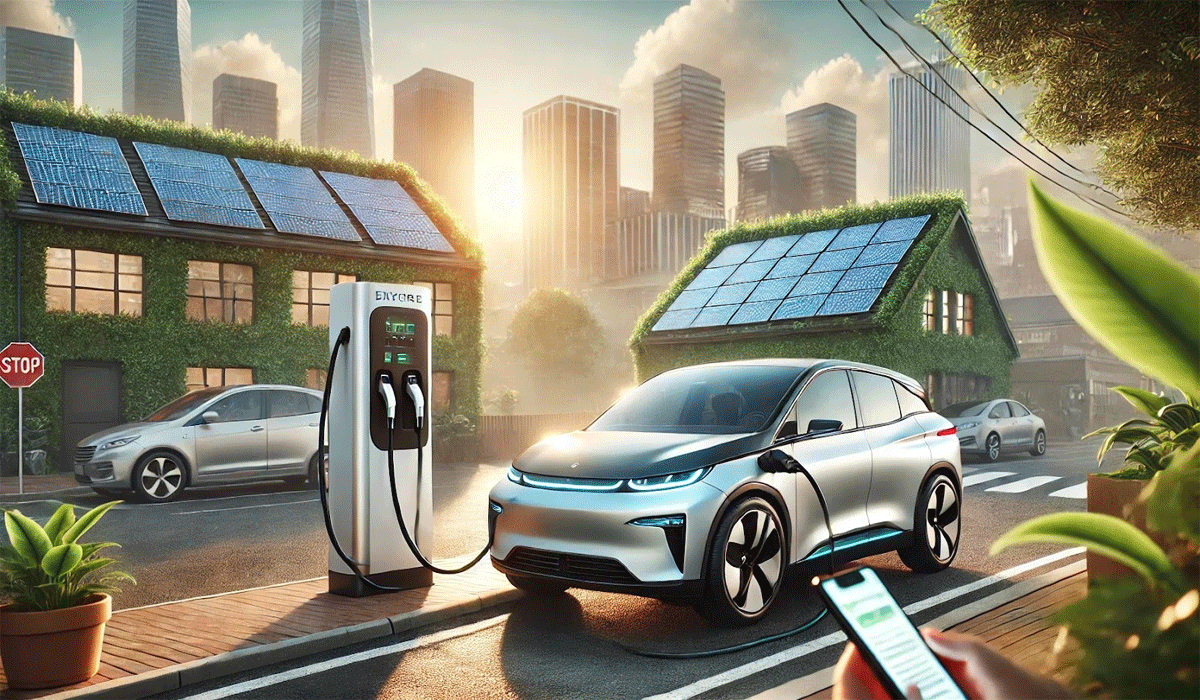
One of the biggest barriers to mass adoption remains charging convenience. Many potential buyers still worry about finding charging stations, waiting times, and long distance travel limitations. Although charging infrastructure is expanding, it has not yet reached the level of convenience offered by traditional fuel stations.
Range anxiety continues to influence purchasing decisions. Even though modern EVs offer longer driving ranges than earlier models, consumers still value the reassurance of quick refueling and widespread fuel availability. This psychological factor plays a major role in slowing adoption.
Higher Costs And Economic Pressure
Electric vehicles often carry higher upfront costs compared to gasoline powered cars. While long term operating costs are usually lower, many buyers prioritize purchase price when making decisions. Rising interest rates and economic uncertainty have made consumers more cautious about large purchases, including vehicles.
Government incentives have also changed in several regions, reducing the financial advantages that previously encouraged EV adoption. Without strong subsidies, the price gap becomes more visible and affects consumer demand.
Also Read: The Hottest Rides and Innovations at the Global Motor Show
Automakers Rethinking Their EV Strategies
As market conditions evolve, automakers are shifting from aggressive expansion to strategic adjustment. Several major companies have delayed new electric models, reduced production targets, and redirected investments toward hybrid technology.
This shift reflects a more balanced approach to electrification. Instead of rushing toward full electrification, manufacturers are focusing on gradual transition and financial stability.
The Return Of Hybrid Vehicles
Hybrid vehicles are experiencing renewed popularity as consumers seek flexibility. Hybrids combine electric efficiency with the reliability of traditional engines, offering a practical middle ground during the transition period.
For many buyers, hybrids reduce concerns about charging infrastructure while still lowering fuel consumption and emissions. Automakers now see hybrids as a bridge technology that supports electrification without forcing immediate full adoption.
Financial Reality And Profitability Goals
The rapid expansion of EV production required massive investment in factories, battery development, and supply chains. Many companies underestimated how long it would take to recover these costs. As a result, profitability has become a central focus.
Manufacturers are prioritizing models with stronger demand, optimizing supply chains, and slowing investments that do not deliver immediate returns. This financial discipline reflects a shift toward long term sustainability rather than short term hype.
Infrastructure And Supply Chain Challenges
Infrastructure development remains a critical factor in EV adoption. Without reliable charging networks, even the most advanced electric vehicles struggle to reach mainstream acceptance.
The global supply chain for batteries and raw materials also continues to face challenges, affecting production capacity and costs.
Charging Network Expansion
Governments and private companies are investing heavily in charging infrastructure. However, building a comprehensive network takes time, coordination, and significant funding. Urban areas are seeing faster progress, while rural regions still face limited access.
The success of the EV market depends heavily on how quickly charging networks can match the convenience of traditional fueling systems.
Battery Production And Raw Materials
Battery production requires materials such as lithium, nickel, and cobalt. Securing stable supplies of these resources remains a major challenge. Fluctuating material prices and geopolitical factors can influence production costs and timelines.
Automakers are investing in recycling, alternative materials, and new battery technologies to reduce dependency on scarce resources.
The Future Of Electric Vehicles After The Slowdown
The current slowdown represents a transition rather than a setback. The EV industry is moving from rapid experimentation to long term stability. This phase allows companies to refine strategies, improve technology, and build stronger infrastructure.
A More Balanced Electrification Timeline
The future of transportation will likely include a mix of electric, hybrid, and traditional vehicles for many years. Instead of a sudden transformation, the shift toward electrification will happen gradually and strategically.
This realistic timeline allows consumers, businesses, and governments to adapt at a sustainable pace.
Long Term Growth Remains Strong
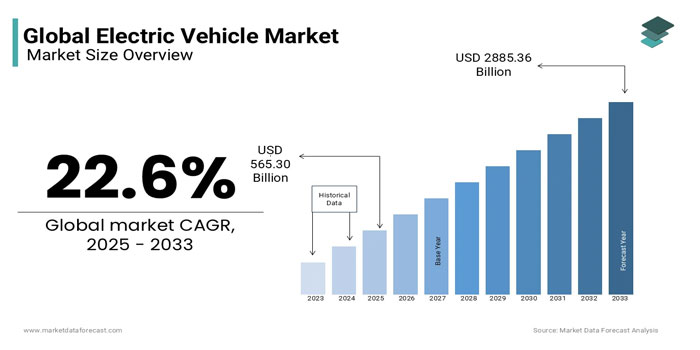
Despite short term challenges, the long term outlook for electric vehicles remains positive. Advances in battery technology, expanding charging networks, and growing environmental awareness continue to support the transition.
The EV slowdown is not a sign of failure. It is a sign of maturity. As the industry adjusts to real world conditions, electric mobility is evolving into a stable and lasting part of the global transportation ecosystem.