Speed And Sustainability: The Era Of Electric Vehicles
Explore the rise of electric vehicles blending speed, innovation, and sustainability for a cleaner, faster future on the roads.
The era of electric vehicles is transforming the way we move, blending cutting-edge speed with eco-friendly innovation. EVs offer silent acceleration, advanced technology, and zero-emission driving, proving that performance and sustainability can coexist.
Speed Meets Innovation: The Rise Of Electric Vehicles
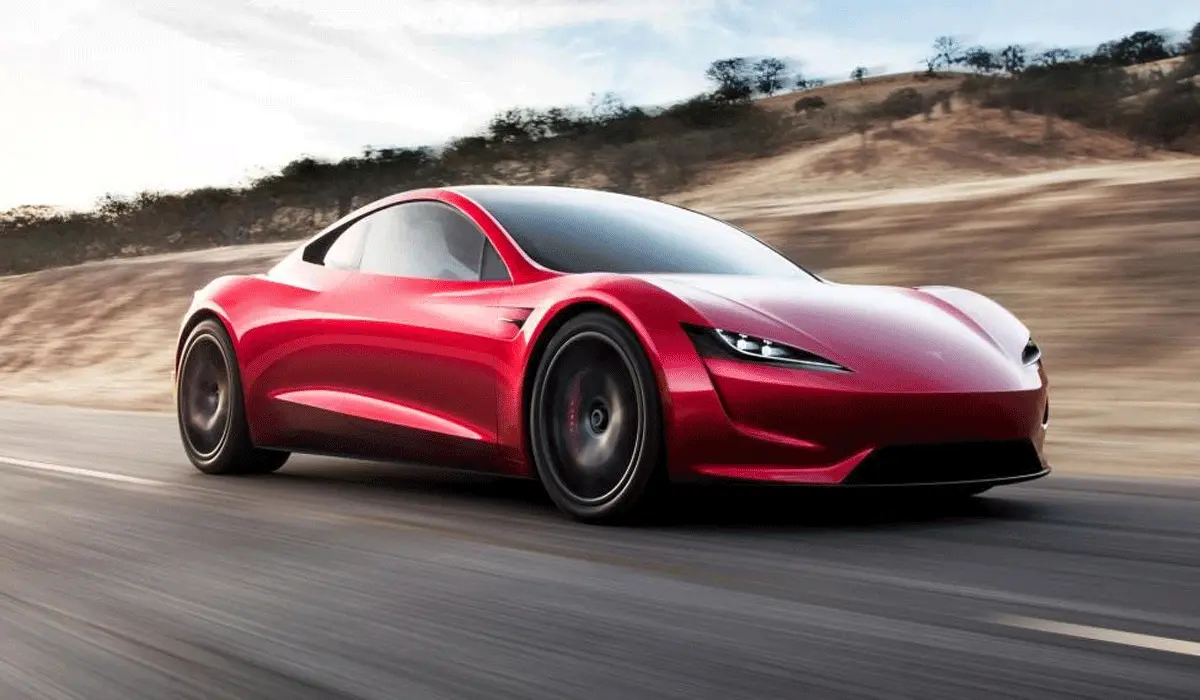
The automotive world is shifting gears. Once dominated by gasoline engines, roads around the globe are increasingly witnessing sleek electric vehicles (EVs) zipping past. What sets EVs apart is not just their silent, smooth acceleration but also the way they blend cutting-edge technology with eco-conscious engineering.
Companies are now designing cars that accelerate faster than traditional models while maintaining remarkable efficiency, proving that speed doesn’t have to come at the cost of sustainability. The race is no longer just about horsepower it’s about intelligent design, regenerative braking systems, and battery management that ensures performance meets longevity.
Charging Forward: Infrastructure And Accessibility
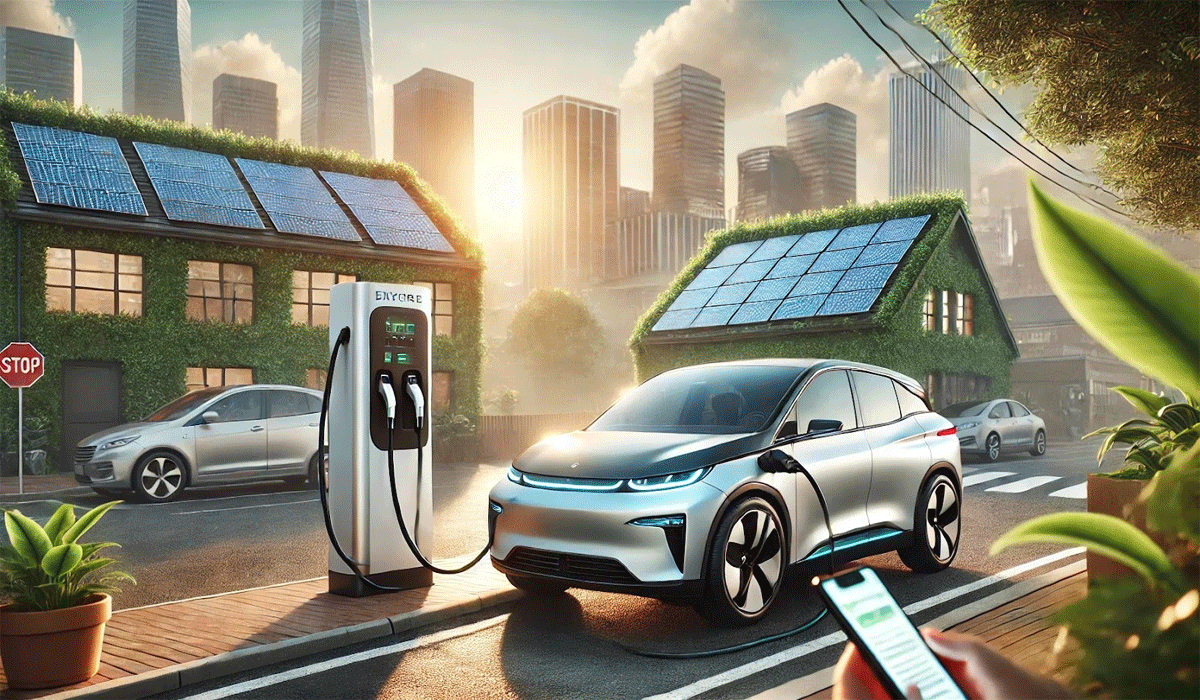
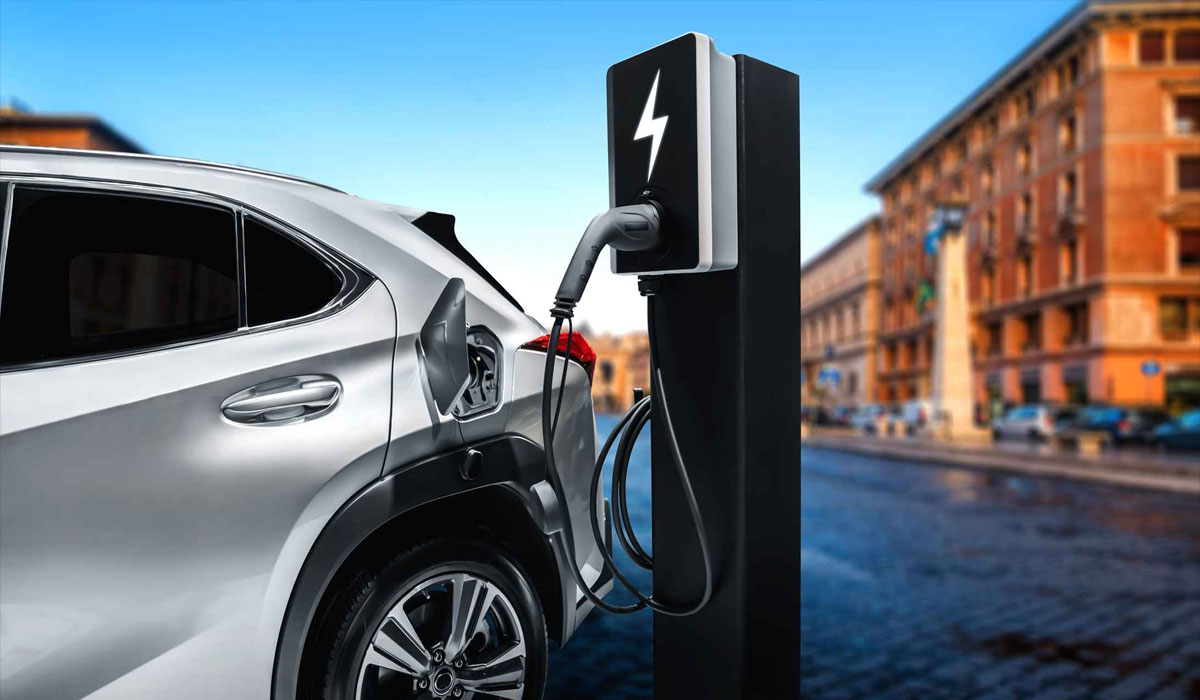
One of the biggest challenges for EV adoption has been the availability of charging stations. Yet, this is rapidly changing. Countries are investing heavily in building networks of fast-charging stations, making long-distance travel in an electric car not only feasible but convenient.
Innovative solutions, such as ultra-fast chargers and wireless charging pads, are making EV ownership more accessible for everyone. Meanwhile, automakers are exploring modular battery swaps and apps that help drivers locate the nearest charging point, ensuring that running out of power becomes a thing of the past. Accessibility is no longer a barrier it’s a springboard for widespread adoption.
Sustainable Roads: Reducing Carbon Footprints
Electric vehicles are not just about futuristic design; they are a key weapon in the fight against climate change. EVs produce zero tailpipe emissions, drastically reducing air pollution in urban areas. When paired with renewable energy sources like solar or wind power, their environmental impact becomes even more profound.
Cities investing in electric public transportation are seeing measurable improvements in air quality, while private EV owners are reducing their personal carbon footprints with every mile traveled. Sustainability in motion isn’t just a slogan it’s a reality being driven by these vehicles every day.
Read Also: The Complete Guide to Visiting an Auto Show for the First Time
Technology In Motion: Smart Features and Connectivity
EVs are redefining what it means to be a modern car. Beyond speed and sustainability, they are platforms for smart technology. Advanced driver-assistance systems, over-the-air updates, and AI-powered navigation are becoming standard features.
Some models even monitor energy usage in real-time, optimizing routes to save battery life while reducing environmental impact. The integration of connectivity means that vehicles are no longer isolated machines but part of a broader ecosystem, linking drivers, cities, and energy grids in a seamless flow of information and efficiency.
The Road Ahead: Challenges and Opportunities
Despite the rapid growth of electric vehicles, hurdles remain. Battery production requires significant resources, and recycling old batteries is still an evolving challenge. Yet, the opportunities outweigh the obstacles. As technology improves and production costs drop, EVs are becoming increasingly affordable, promising mass adoption in the near future.
Governments are incentivizing green technology, and consumers are becoming more conscious of their environmental choices. The era of electric vehicles is not just a trend it’s a revolution, driving society toward faster, cleaner, and smarter mobility. The road ahead is electric, and it’s moving at full speed. Watch and keep following, don’t miss the most complete information regarding The Green Motorist.