Opportunities and challenges in electric vehicle development
The opportunities and challenges of electric vehicle bring clean energy innovation, cost efficiency and changes to the automotive industry.
An electric vehicle is a means of transportation based on electrical energy that uses a battery as the main source to drive the vehicle’s motor. In the following The Green Motorist will discuss the various opportunities and challenges that arise in the development of electric energy-based transportation technology globally.
Developments in Energy Technology & Infrastructure
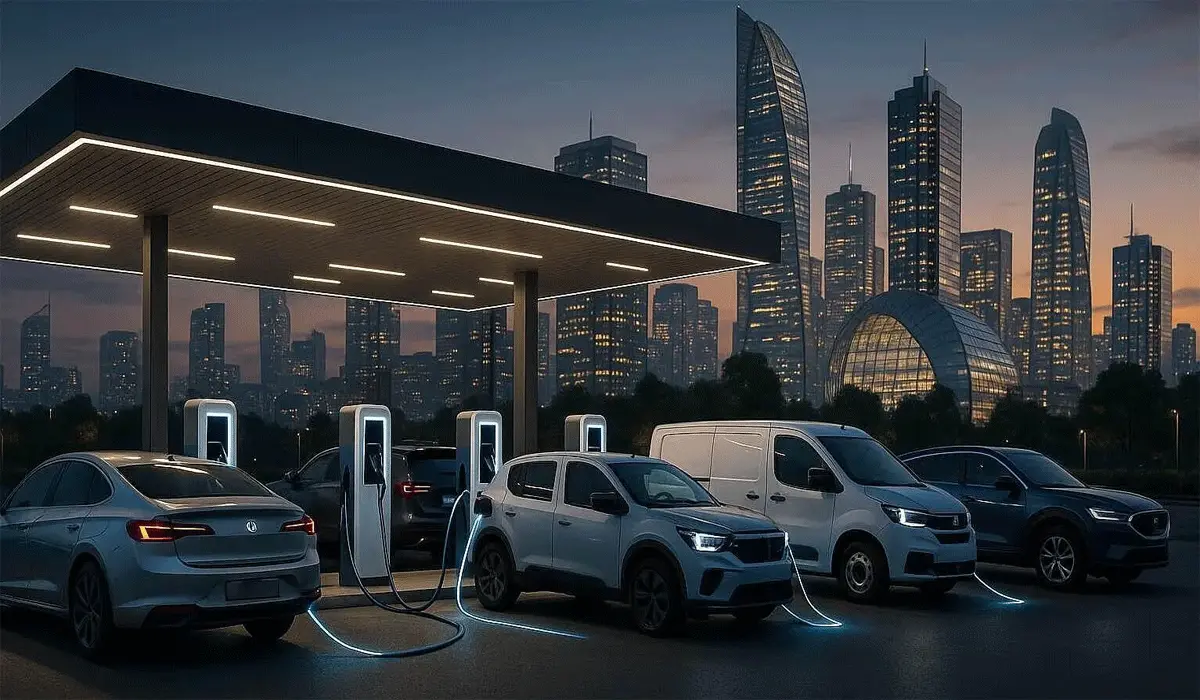
Energy technology continues to experience significant progress through innovations in more efficient and longer-lasting batteries. Charging infrastructure is developing in various regions, supporting the wider adoption of electric vehicles. The government and the private sector are collaborating to build fast-charging stations to improve user convenience in various regions. Energy management technology also helps improve power efficiency in electric transportation systems.
The integration of renewable energy sources, such as solar power, is being implemented to support the sustainability of the national transportation system. Standardization of charging technology is a crucial step to ensure compatibility between vehicle manufacturers. Research and development support continues to drive innovations that improve the performance and safety of electric transportation systems.
Government Policy and Regulatory Support
The government plays a crucial role in accelerating technology adoption through tax incentives and subsidies for electric vehicle purchases. Increasingly stringent emission regulations are encouraging automotive manufacturers to shift to more sustainable, environmentally friendly technologies. Local industrial development programs are also helping to increase production capacity and create new jobs. Import policies for certain components provide opportunities for the domestic industry to gradually develop.
Local governments contribute by providing special parking facilities and priority lanes for electric transportation users. Cross-sector collaboration strengthens the industrial ecosystem that supports the growth of environmentally friendly transportation technologies. Regular policy evaluations ensure the effectiveness of programs in supporting the transformation of the national transportation sector.
Also Read: The Future of Transportation: Electric Vehicle Dominance
Production Cost and Market Price Challenges

Production costs remain a major challenge in the development of electric transportation technologies due to the relatively high price of batteries. Manufacturers need to reduce costs through production efficiency and continuous manufacturing scale-up. The higher selling price of electric vehicles compared to conventional vehicles significantly impacts consumer purchasing power. Innovations in battery materials are expected to effectively reduce production costs in the long term.
Government incentive support helps reduce the cost burden for consumers who want to switch to environmentally friendly technologies. Competition between manufacturers also encourages the creation of more competitively priced products in the automotive market. The right marketing strategy can increase consumer interest in clean energy-based transportation technologies.
Infrastructure Readiness and Energy Distribution
Infrastructure readiness is a crucial factor in supporting the equitable growth of the electric transportation ecosystem across various regions. Stable and efficient energy distribution ensures the availability of power for electric vehicle users in their daily activities. The development of the national electricity grid must consider the increasing energy demand from the growing transportation sector.
The integration of smart technology helps manage energy distribution more efficiently and sustainably. The availability of charging stations in remote areas remains a challenge that requires special attention. Investment in energy infrastructure is a strategic step to support the growth of the environmentally friendly transportation sector. Collaboration between the government and the private sector can accelerate the development of optimal supporting facilities.
Environmental Impact and Sustainability
The use of electric-based transportation technology has a positive impact on significantly reducing greenhouse gas emissions. Electric vehicles help reduce dependence on fossil fuels, which negatively impact air quality. The use of renewable energy in transportation systems improves the sustainability and efficiency of natural resource use. Battery recycling is a crucial focus for reducing waste and maintaining environmental balance.
Public education about the benefits of environmentally friendly technology encourages behavioral changes toward a sustainable lifestyle. The development of green technology continues to be a focus in efforts to maintain the balance of the global ecosystem. The implementation of appropriate environmental policies supports the sustainable growth of the clean energy-based transportation sector.
mage information:
First Image from: autovista24.autovistagroup.com
Second Image from: www.symson.com