Innovative Technologies Driving The Future Of Electric Vehicles
The electric vehicle (EV) industry is evolving rapidly, fueled by innovative technologies that are reshaping how we think about transportation.
From advanced battery systems to autonomous driving, the future of mobility is becoming increasingly electric, sustainable, and intelligent. These technological advancements not only improve vehicle performance but also enhance safety, reduce environmental impact, and provide a seamless driving experience. In this article, we explore the most impactful innovations driving the future of electric vehicles.
Advanced Battery Technologies
Battery technology remains at the heart of the electric vehicle revolution. Modern EVs are increasingly equipped with lithium-ion batteries that offer higher energy density, faster charging, and longer lifespans. Innovations in solid-state batteries promise even greater efficiency, safety, and durability, potentially overcoming limitations of current lithium-ion systems.
Beyond energy storage, battery management systems (BMS) play a crucial role in optimizing performance. These systems monitor temperature, charge levels, and health status, ensuring that batteries operate safely and efficiently under various conditions. Advanced BMS software is critical for extending battery life and maximizing vehicle range.
Moreover, research into alternative battery chemistries, such as lithium-sulfur and graphene-enhanced batteries, is gaining momentum. These emerging solutions could reduce costs, increase energy density, and further accelerate the adoption of electric vehicles globally, making EVs more accessible and practical for everyday use.
Autonomous Driving And Smart Mobility
Autonomous driving technology is transforming the way we interact with vehicles. EVs equipped with advanced sensors, cameras, and LiDAR systems are capable of semi-autonomous or fully autonomous driving. These technologies enhance safety by reducing human error, improving traffic efficiency, and enabling smarter route planning.
Machine learning algorithms and artificial intelligence allow EVs to process vast amounts of data in real-time. Vehicles can recognize obstacles, predict pedestrian movement, and adjust speed dynamically, creating a safer and more reliable driving experience. As these systems evolve, fully autonomous fleets could redefine urban mobility and transportation logistics.
Additionally, smart mobility solutions, such as connected vehicle platforms and real-time traffic integration, allow EVs to communicate with infrastructure and other vehicles. This connectivity supports energy-efficient routing, reduces congestion, and enhances overall driving performance, paving the way for intelligent and sustainable transportation networks.
Fast-Charging Infrastructure And Energy Management
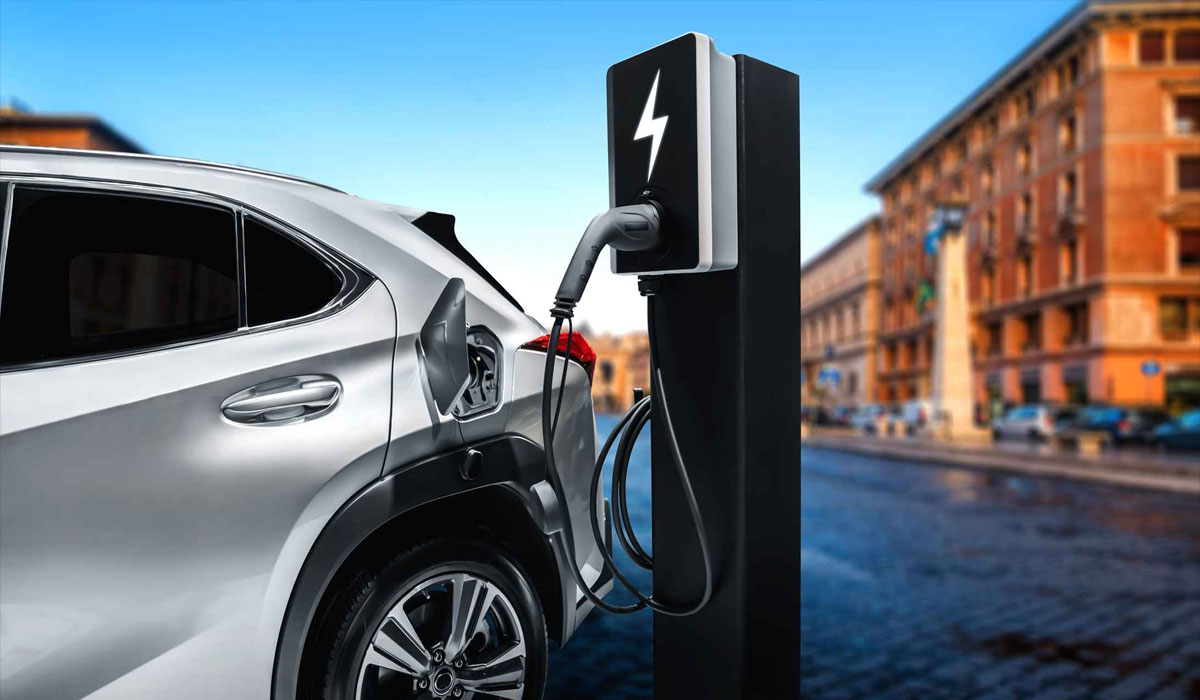
A critical factor in EV adoption is the development of fast-charging infrastructure. Innovative charging technologies, including ultra-fast DC chargers and wireless charging pads, drastically reduce charging times, making EVs more convenient for consumers. Improved charging networks also support long-distance travel, reducing range anxiety for drivers.
Energy management systems further enhance the efficiency of EV charging. Smart grids and vehicle-to-grid (V2G) technologies allow vehicles to store and return electricity to the grid during peak demand, optimizing energy distribution and reducing overall costs. This integration creates a more resilient and sustainable energy ecosystem.
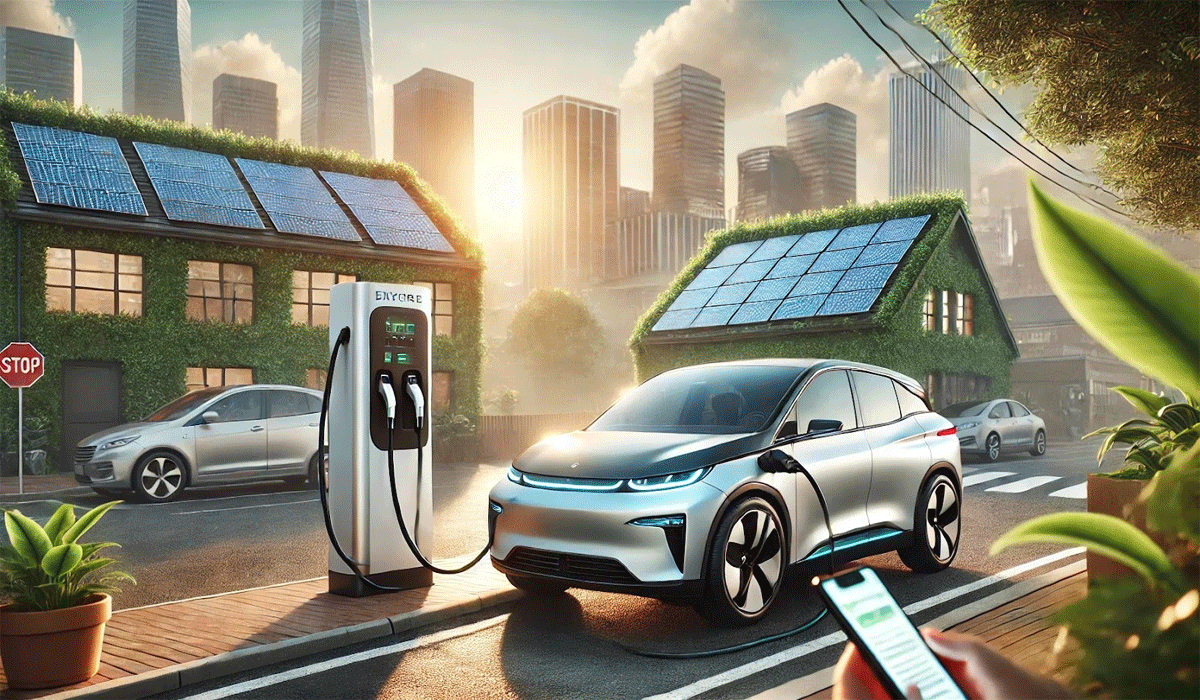
Furthermore, advancements in renewable energy integration are critical for the environmental benefits of EVs. Solar-powered charging stations, energy storage solutions, and intelligent load balancing contribute to greener transportation and support the global transition toward sustainable energy.
Also Read: A Big Step Towards Green: The Era Of Electric Cars Has Arrived
Lightweight Materials And Aerodynamic Design

Reducing vehicle weight and improving aerodynamics are essential for enhancing EV efficiency. Innovative materials, such as carbon fiber composites, aluminum alloys, and high-strength plastics, decrease vehicle mass without compromising safety or performance. Lighter vehicles require less energy to operate, extending battery range and improving acceleration.
Aerodynamic optimization is equally important. Streamlined body designs, active airflow management, and low-drag components reduce resistance, enhancing efficiency at higher speeds. Advanced simulation and computational fluid dynamics (CFD) tools enable manufacturers to refine designs for maximum energy savings.
Moreover, integrating lightweight materials with modular vehicle platforms allows automakers to scale production efficiently. This approach supports flexibility in design, reduces production costs, and accelerates the introduction of innovative EV models to the market, meeting diverse consumer needs.
Artificial Intelligence And Predictive Maintenance
Artificial intelligence (AI) is revolutionizing vehicle performance and maintenance. Predictive maintenance systems analyze data from sensors, battery management units, and onboard diagnostics to identify potential issues before they become serious problems. This proactive approach reduces downtime, improves safety, and lowers long-term maintenance costs.
AI also enhances energy efficiency through adaptive control systems. Intelligent algorithms optimize power usage, regenerative braking, and climate control based on driving patterns and environmental conditions. These optimizations improve range and performance while reducing energy consumption.
In addition, AI-driven insights support personalized user experiences. By learning driver behavior, EVs can adjust performance settings, recommend efficient routes, and provide tailored alerts. This combination of predictive maintenance and intelligent optimization ensures that electric vehicles are more reliable, efficient, and enjoyable to drive.
Conclusion
Innovative technologies are driving the rapid evolution of electric vehicles, transforming the way we move and interact with transportation. From advanced battery systems and autonomous driving to lightweight materials and AI-driven maintenance, these innovations improve efficiency, safety, and sustainability. By adopting and integrating these technologies, manufacturers are creating a new era of mobility that is cleaner, smarter, and more accessible to all.
The development of fast-charging infrastructure, smart energy management, and connected vehicle platforms ensures that EVs can meet the demands of everyday life while supporting global energy transitions. These advancements are not only shaping the automotive industry but also contributing to a more sustainable future for society.
Ultimately, the future of electric vehicles relies on continuous innovation. Companies that embrace these cutting-edge technologies can lead the market, inspire consumer confidence, and drive the global shift toward sustainable, intelligent, and high-performance transportation. Find fresh discoveries and premium updates, only available The Green Motorist here.
Image Source From.
First Photo From: www.ny-engineers.com
Second Photo of: The Green Motorist