Innovations Powering The Electric Vehicle Revolution
Explores groundbreaking technologies driving the electric vehicle boom, from advanced batteries to smart charging and sustainable mobility solutions.
Electric Vehicles are no longer a futuristic dream they are rapidly becoming the cornerstone of modern transportation. With the world seeking cleaner, more sustainable alternatives to traditional gasoline powered cars, EVs are driving innovation, efficiency, and a greener future. From cutting-edge technology to environmental impact, electric vehicles are transforming how we think about mobility.
Below, The Green Motorist will provide some explanations regarding innovations powering the electric vehicle revolution.
The Rise of Electric Vehicles
Electric vehicles have seen unprecedented growth in recent years. What was once a niche market for eco enthusiasts has become mainstream, with major automakers investing heavily in EV technology. Companies like Tesla, Nissan, and BMW are leading the charge, offering models that combine performance, style, and sustainability.
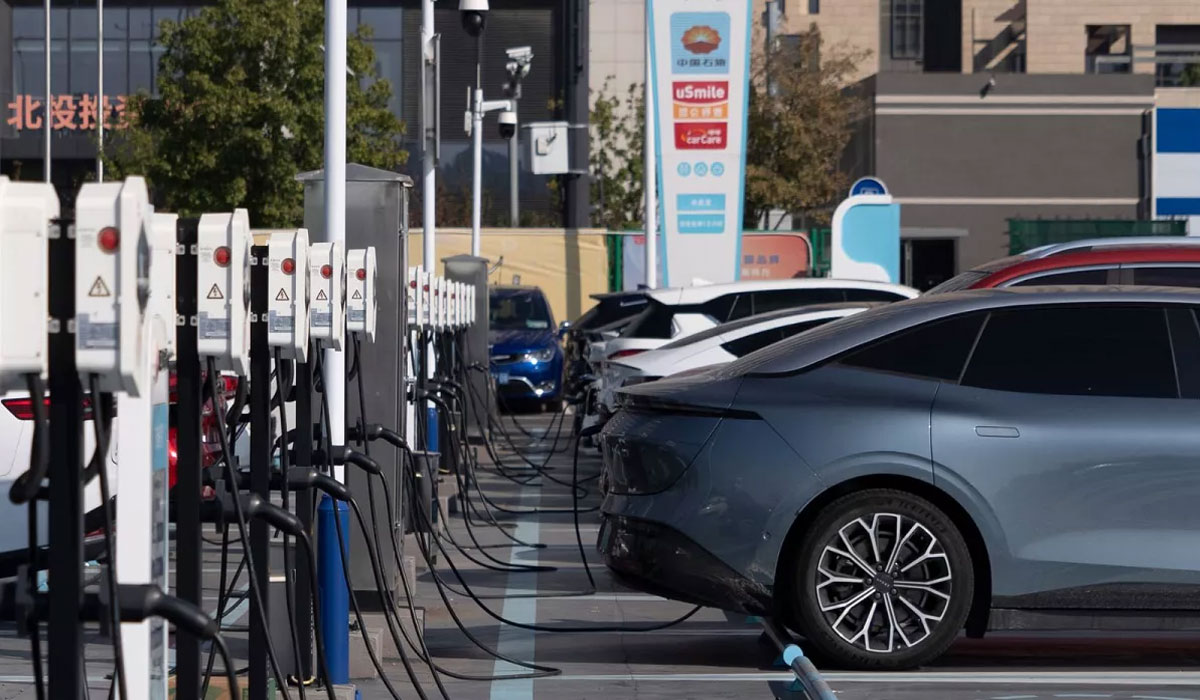
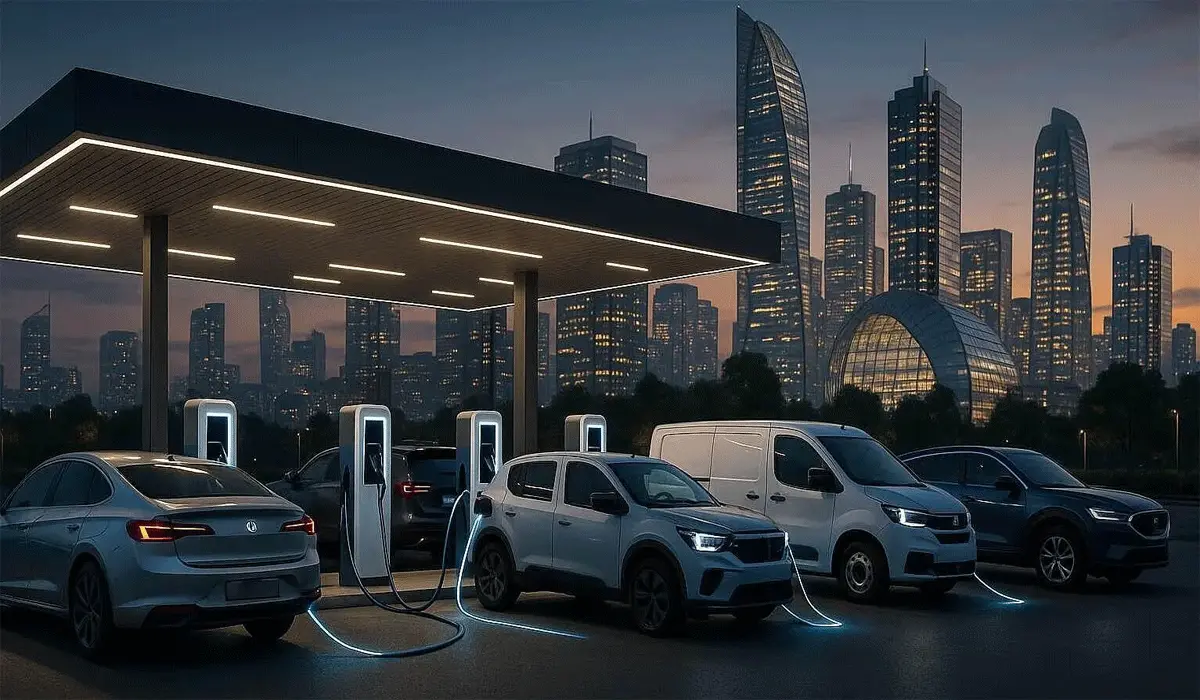
The surge in EV adoption is fueled by advancements in battery technology and government incentives. Longer battery life, faster charging stations, and lower maintenance costs make electric cars more appealing than ever. As awareness of climate change grows, consumers are increasingly choosing EVs as a practical and responsible choice for the future.
Cutting-Edge Technology Powering EVs
One of the most exciting aspects of electric vehicles is their innovative technology. Unlike traditional cars, EVs use electric motors and advanced battery systems that provide instant torque and a smoother driving experience. Regenerative braking systems also enhance energy efficiency by capturing energy that would otherwise be lost.
Connectivity and smart features further set EVs apart. Many models come equipped with AI-assisted navigation, remote monitoring apps, and autonomous driving capabilities. These innovations not only make driving safer and more convenient but also demonstrate how electric vehicles are at the forefront of automotive technology.
Read Also: The Future of Driving Uncovers the Electric Vehicle Revolution
Environmental Benefits of Electric Vehicles
The environmental impact of EVs is perhaps their most compelling advantage. By running on electricity rather than gasoline, EVs produce zero tailpipe emissions, reducing air pollution in cities. This shift plays a crucial role in combating climate change and promoting cleaner, healthier communities.
Electric vehicles also encourage the use of renewable energy. When charged from solar or wind power, EVs become an even greener option, minimizing carbon footprints. Transitioning to electric transportation represents a step toward a more sustainable and eco-friendly world for future generations.
Overcoming Challenges and Building the Future
Despite their advantages, electric vehicles face challenges such as charging infrastructure, initial costs, and battery recycling. Governments and companies are working to address these issues by expanding charging networks, offering subsidies, and developing eco-friendly battery solutions.
As technology evolves, EVs are expected to become even more affordable, efficient, and accessible. Public awareness and investment in research and development are crucial to overcoming obstacles. The future of transportation is electric, and these vehicles are poised to redefine how we move around the world.
Conclusion
Electric vehicles represent a transformative shift in transportation, combining innovation, sustainability, and environmental responsibility. With ongoing technological advancements, growing adoption, and the promise of a cleaner planet, EVs are more than just cars they are a symbol of a brighter, greener future. The road ahead is electric, and embracing this change is essential for the well-being of both society and the environment.
Image Source:
First Image from currencytransfer.com
Second Image from thegreenmotorist.com