Increasingly efficient electric vehicle battery technology
Advances in battery technology have made electric vehicles more efficient, offering longer ranges and faster charging.
Electric vehicles are a type of transportation that uses electrical energy as the main power source through a battery system that continues to develop. Below, The Green Motorist will discuss various developments in battery technology that are increasing energy efficiency in electric transportation.
Innovation in More Efficient Battery Materials
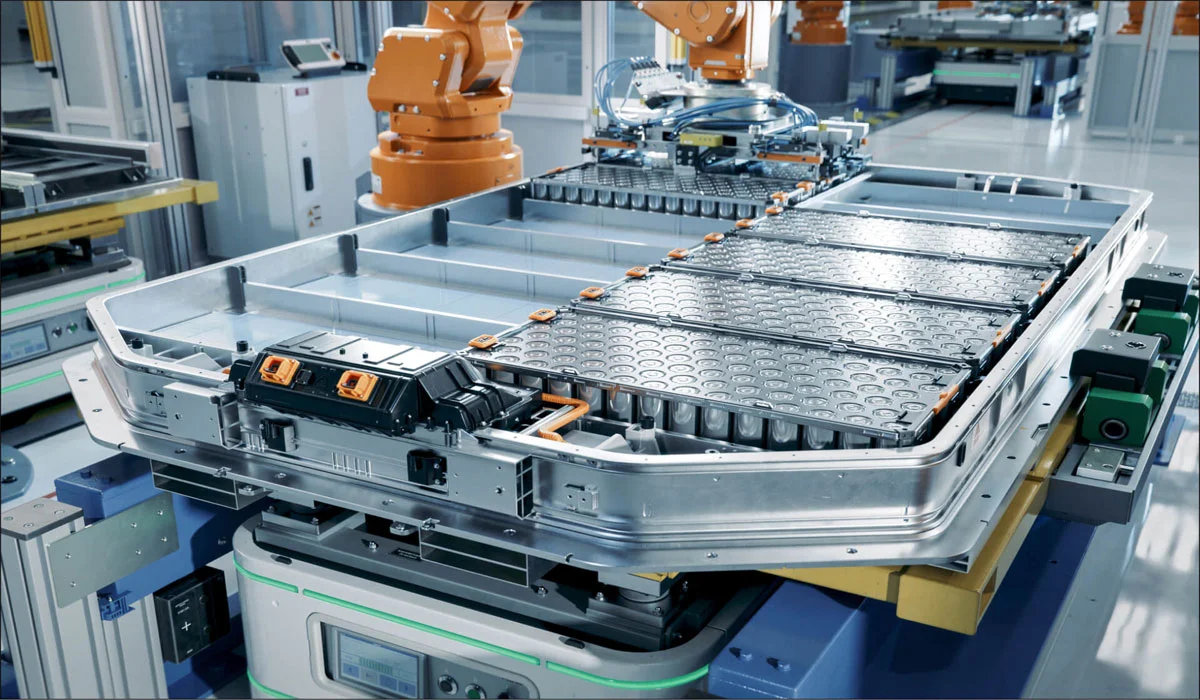
Development in battery materials is a crucial factor in improving energy efficiency in electric vehicles. Researchers continue to develop new materials, such as lithium iron phosphate and solid-state batteries, that offer higher energy density and improved safety.
These materials allow batteries to store more energy without significantly increasing their size. Furthermore, this technology reduces the risk of overheating, a common challenge in previous-generation battery systems. The use of more stable materials extends battery life, reducing maintenance costs.
Major automotive manufacturers are also beginning to integrate the latest material technologies to improve vehicle performance while maintaining energy efficiency. By combining chemical research and materials engineering, battery development not only increases driving range but also supports the sustainability of clean energy in the future transportation sector.
Improving Battery Energy Density
Energy density is a key measure that determines how much energy can be stored in a battery. In developing the latest technology, battery manufacturers are striving to improve the energy-to-weight ratio so that electric vehicles can travel longer distances on a single charge.
This innovation is achieved through the development of more efficient battery cell structures and the use of more advanced packaging technologies. With higher energy density, vehicles can maintain performance without requiring large batteries. This offers the advantage of space efficiency and reduced overall vehicle weight.
Furthermore, increased energy density also helps improve resource efficiency in battery production. Various technology companies and automotive manufacturers are continuously pursuing this goal to create more optimal energy storage systems and support the growth of environmentally friendly transportation.
Also Read: Hybrid Technology: The Vehicle Revolution of Today and the Future
Faster Charging Technology

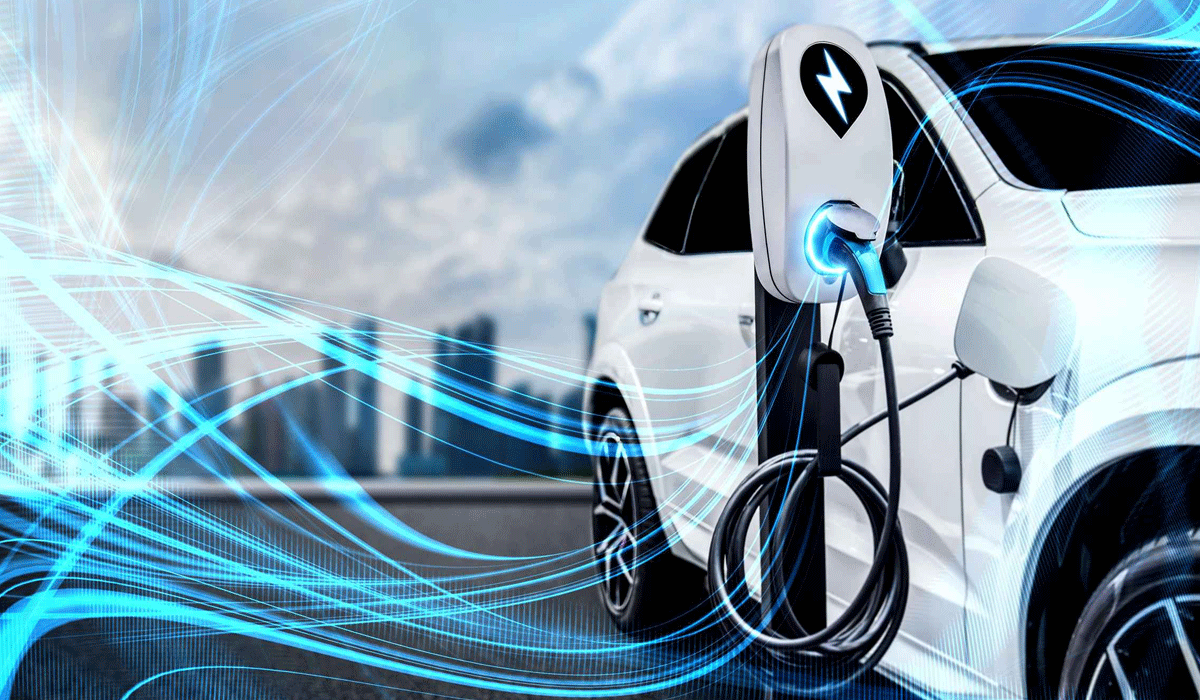
Advances in charging technology are crucial for increasing the comfort of electric vehicles. One key innovation is the development of fast charging systems, capable of filling a significant portion of the battery’s capacity in a relatively short time.
This technology works by increasing the electrical current entering the battery while maintaining temperature stability and system safety. Furthermore, battery management systems have also improved, enabling them to manage energy distribution more efficiently. With fast charging technology, users no longer have to wait long to charge at charging stations.
Expanding charging infrastructure is also helping accelerate the adoption of electric transportation in various countries. The combination of more efficient battery technology and charging systems provides a more practical user experience and supports environmentally friendly mobility in everyday life.
Smarter Battery Management Systems
Battery management systems are a crucial component in maintaining the performance and safety of electric vehicles. This technology monitors battery conditions in real time, including temperature, voltage, and charge level.
With accurate monitoring, the system can regulate energy distribution to ensure the battery operates optimally. Furthermore, these systems help prevent damage from overcharging or overheating, which can affect battery lifespan. Advances in digital technology and artificial intelligence have made battery management systems increasingly sophisticated.
Specialized algorithms can predict energy usage patterns and adjust charging strategies to increase efficiency. With smarter energy management systems, vehicle performance can be maintained over the long term while improving overall battery safety.
Impact of Battery on Future Transportation
Increasing battery efficiency has a significant impact on the development of electric vehicles in the global transportation industry. With more efficient battery technology, vehicle ranges can be extended, making them more competitive with conventional fuel-powered vehicles.
Furthermore, operating costs can be reduced due to reduced energy consumption. This increased efficiency has encouraged many countries to accelerate the transition to more environmentally friendly transportation. Automotive manufacturers are also racing to develop new innovations to improve performance while maintaining energy sustainability.
Supporting infrastructure, such as electric charging stations, is also developing to support the widespread adoption of electric vehicles. With the combination of efficient battery technology, cleaner energy systems, and government policy support, the future of transportation is expected to increasingly shift toward more sustainable use of electric energy.
Image information:
First Image from: www.daze.eu
Second Image from: www.prnewswire.com