How Electric Vehicles Are Changing Modern Transportation
Electric vehicles (EVs) are no longer a futuristic concept they are transforming the way people commute, transport goods, and interact with the environment.
With increasing awareness of climate change, government incentives, and advancements in technology, EVs are becoming a practical alternative to traditional gasoline-powered vehicles. Beyond just reducing emissions, they are reshaping urban planning, infrastructure, and consumer behavior.
This The Green Motorist article explores how electric vehicles are changing modern transportation and what it means for the future of mobility.
The Rise of Electric Vehicles in Daily Commuting
Electric vehicles are increasingly common in everyday commuting, offering advantages that appeal to environmentally conscious and cost-savvy drivers alike. Their growing presence is changing urban traffic patterns and encouraging cities to rethink transportation infrastructure.
EVs produce zero tailpipe emissions, making them a cleaner option for densely populated cities. Additionally, lower maintenance costs and cheaper electricity compared to gasoline make EVs an attractive long-term investment for commuters.
Reduced Environmental Impact
Electric vehicles significantly reduce greenhouse gas emissions, improving air quality and decreasing urban pollution. Cities that adopt EV-friendly policies see tangible benefits in public health and environmental sustainability.
Encouraging Urban EV Infrastructure
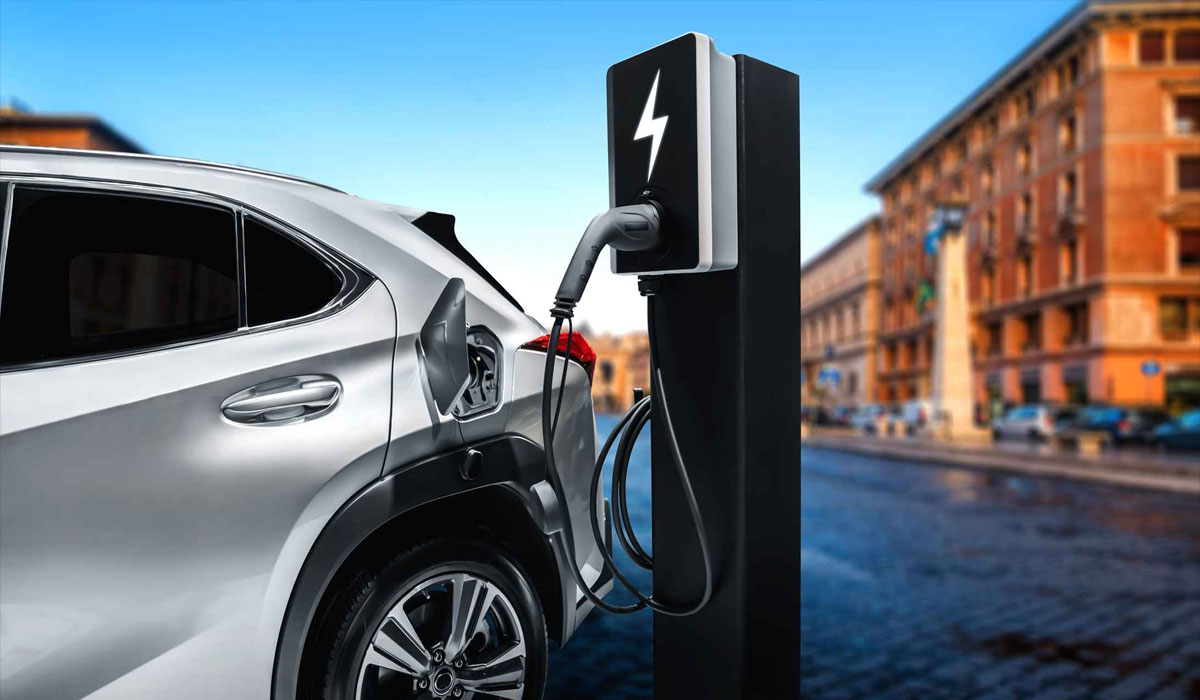
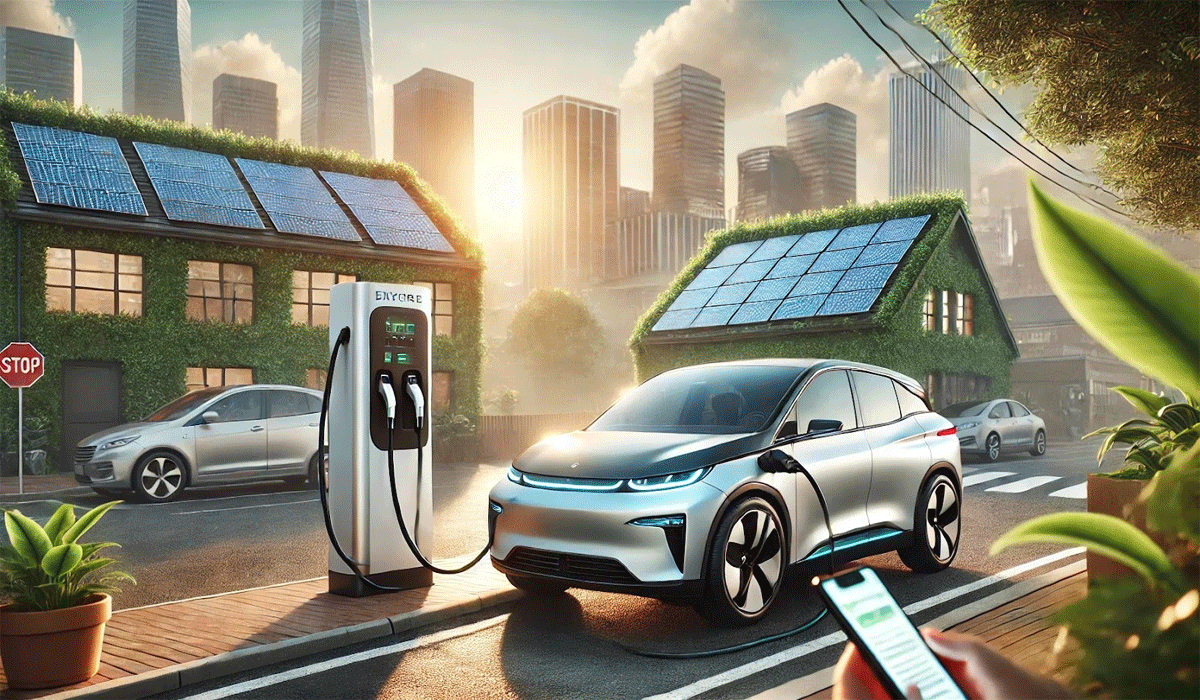
The rise of EVs is prompting cities to install more charging stations, redesign parking facilities, and implement incentives for EV ownership. This shift supports a broader transformation of urban mobility and smarter city planning.
Transforming Logistics and Freight Transport
Beyond personal commuting, electric vehicles are making a strong impact in logistics and freight transport. EV technology is being adapted to delivery trucks, vans, and even heavy-duty vehicles, reducing the environmental footprint of commercial transportation.
Companies are increasingly adopting electric delivery fleets to reduce costs, comply with emissions regulations, and appeal to environmentally conscious consumers. EVs in logistics offer quieter operations and lower fuel expenses, creating both operational and social benefits.
Electric Delivery Vans and Trucks
Many delivery companies now deploy electric vans and small trucks in urban areas. These vehicles reduce fuel dependency and make last-mile delivery more efficient and sustainable.
Supporting Green Supply Chains
EV adoption in logistics also supports sustainable supply chains, helping businesses meet corporate social responsibility goals while appealing to eco-friendly customers. Companies integrating EV fleets are often perceived as innovative and environmentally responsible.
Also Read: Exploring Electric And Hybrid Vehicles At The Motor Show
Advancing Technology and Infrastructure
The rise of electric vehicles is driving technological innovation and infrastructure development, making EVs more accessible and practical than ever. Battery efficiency, charging technology, and vehicle performance have improved dramatically over the past decade.
Governments and private companies are investing in fast-charging networks and grid upgrades, ensuring that EV adoption does not strain existing infrastructure. Improved battery technology also extends driving range and reduces charging time, addressing common concerns among potential EV buyers.
Breakthroughs in Battery Technology
Advances in lithium-ion and solid-state batteries allow electric vehicles to travel longer distances on a single charge while maintaining safety and efficiency. These improvements make EVs more competitive with traditional vehicles.
Expanding Charging Networks
Charging stations are increasingly widespread, from residential areas to highway rest stops. The growth of charging infrastructure reassures drivers that EVs can handle both daily commutes and long-distance travel without inconvenience.
Conclusion
Electric vehicles are revolutionizing modern transportation by reshaping personal commuting, logistics, and urban infrastructure. Their environmental benefits, economic efficiency, and technological advancements make them a compelling alternative to traditional vehicles.
As battery technology improves and charging networks expand, EVs are poised to become a mainstream choice for drivers worldwide. The rise of electric vehicles not only represents a shift in how people travel but also signals a broader movement toward sustainable, smarter, and cleaner transportation for the future.
Image Information Source:
- First Image : greencitytimes.com
- Second Image : airswift.com