From Energy to Motion: How Electric Vehicles Transform Technology
Electric vehicles turn stored energy into efficient motion, revolutionizing transportation with advanced batteries, motors, and smart tech.
Below, TEACHING will provide some explanations regarding Reinventing Learning Systems for an Innovation-Driven Future.
Revolutionizing Automotive Energy Systems
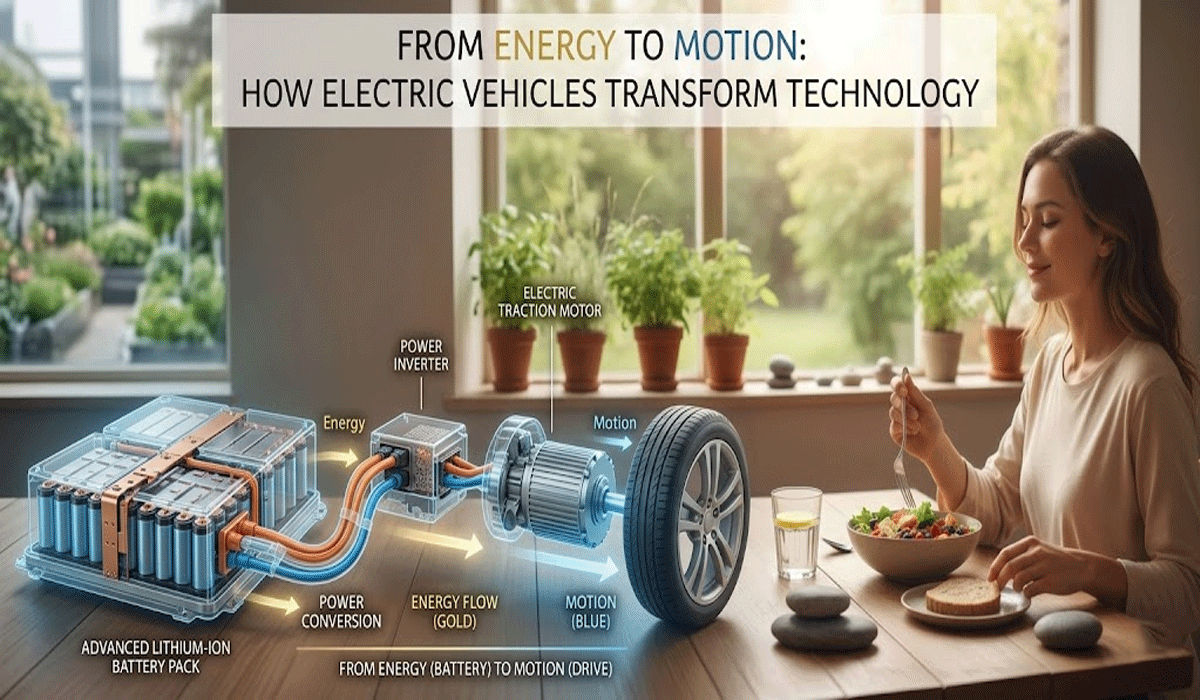
Electric vehicles (EVs) are redefining the way energy is used in transportation. Unlike traditional internal combustion engine cars that rely on gasoline or diesel, EVs use batteries to store electrical energy and power electric motors. This shift from chemical fuel to electrical energy not only reduces harmful emissions but also introduces a more efficient energy conversion system.
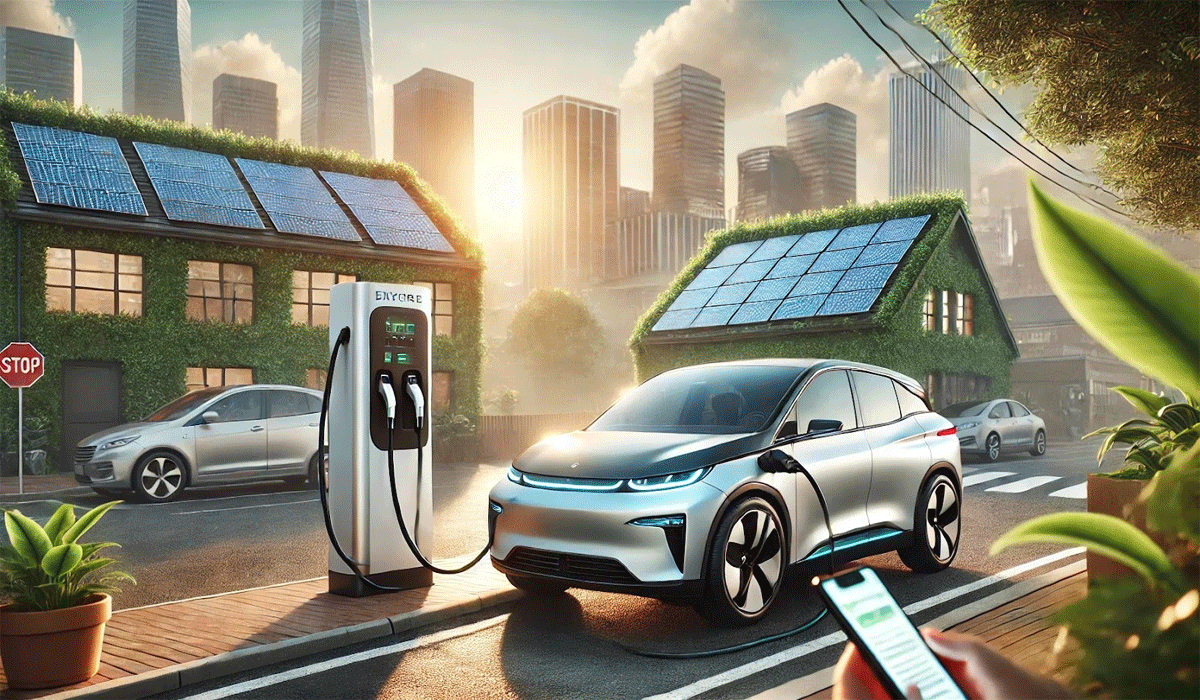
The implications of this energy shift extend beyond vehicles themselves. Power grids, charging infrastructure, and energy management systems must adapt to accommodate the increasing demand for electricity. Smart grids and advanced battery storage solutions are becoming essential to maintain reliability, especially as EV adoption accelerates.
Advanced Battery Technology Driving Innovation
At the heart of every EV lies the battery, the key component driving the vehicle’s performance and efficiency. Modern EVs primarily use lithium-ion batteries, which provide high energy density, faster charging capabilities, and longer lifespan than older battery technologies. Continuous research in battery chemistry, such as solid-state and lithium-sulfur designs, promises even safer, lighter, and more efficient batteries, which could drastically reduce charging times and extend driving ranges in the near future.
Battery management systems (BMS) play an equally important role by monitoring temperature, voltage, and current to ensure safety and longevity. Innovations in cooling systems, rapid charging stations, and modular battery designs allow EV manufacturers to deliver vehicles that not only perform reliably but also adapt to user demands.
Read Also: The Technology Behind Electric Vehicles: From Batteries To Motors
Electric Motors: From Efficiency to Performance
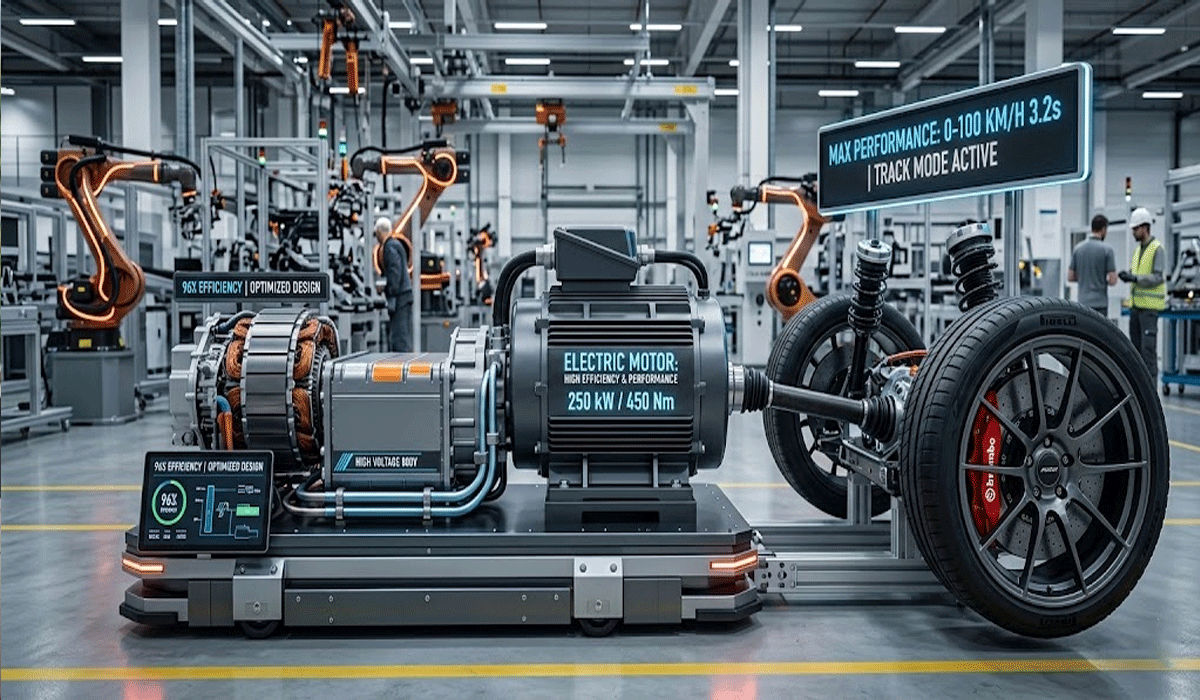
Electric motors in EVs offer advantages that traditional combustion engines cannot match. They provide instant torque, resulting in quicker acceleration, smoother driving experience, and reduced mechanical complexity. Unlike engines with hundreds of moving parts, electric motors are simpler and require less maintenance, which significantly lowers the long-term costs of vehicle ownership.
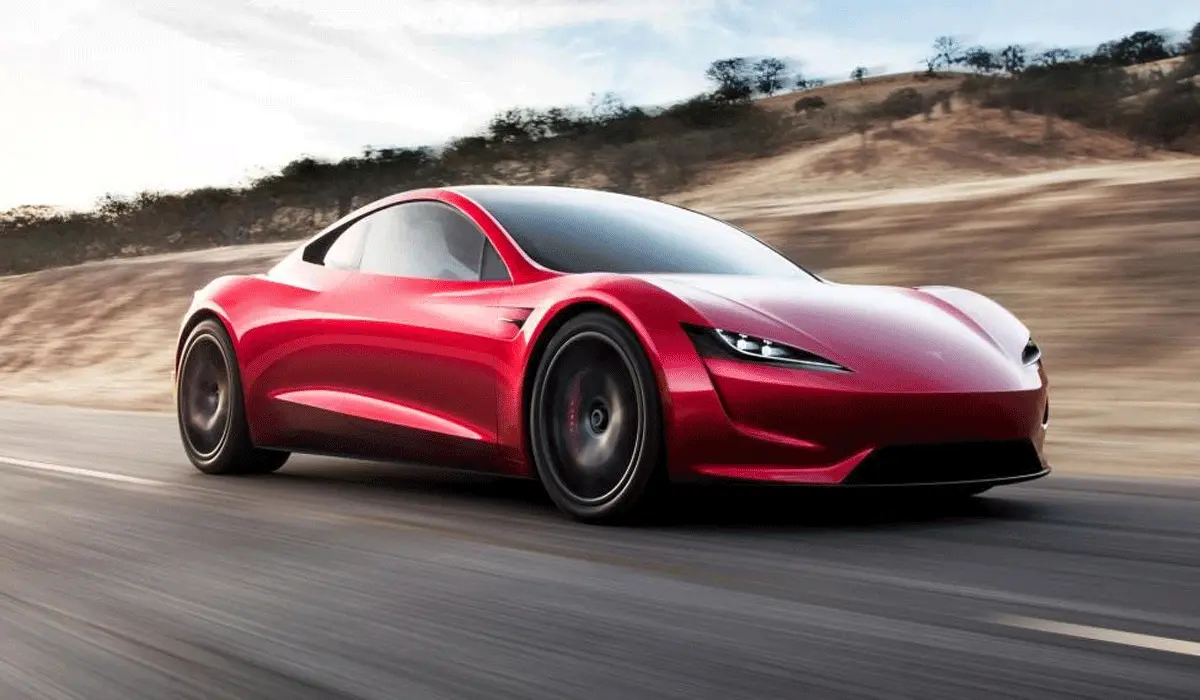
Moreover, motor control technology is advancing rapidly, enabling precise regulation of speed and power delivery. Coupled with regenerative braking, these systems convert kinetic energy back into stored electricity, maximizing energy efficiency. High-performance EVs demonstrate that efficiency does not compromise performance in fact, electric motors often outperform traditional engines in acceleration, responsiveness, and adaptability, reshaping consumer expectations for vehicle capabilities.
Integration of Technology and Connectivity
Beyond energy and motion, EVs are transforming the automotive experience through advanced connectivity and smart features. Many electric vehicles are equipped with software that monitors battery health, optimizes energy usage, and even allows over-the-air updates to improve vehicle performance without visiting service centers. Integration with mobile apps and cloud platforms gives drivers insights into charging locations, energy consumption, and predictive maintenance alerts, enhancing convenience and reliability.
Autonomous driving technology and vehicle-to-grid (V2G) connectivity further highlight the potential of EVs to redefine transportation. V2G systems enable EVs to return stored energy to the power grid during peak demand, turning vehicles into mobile energy assets. Together, these technologies create a holistic ecosystem where vehicles, infrastructure, and energy networks work in harmony, demonstrating that electric mobility is not just a replacement for gasoline cars but a catalyst for technological transformation across industries.
For the latest and most interesting related information, you can also click the TEACHING link.
Image Source:
First Image from thegreenmotorist.com
Second Image from www.walser.com