Electric Vehicles: The Future of Environmentally Friendly Transportation
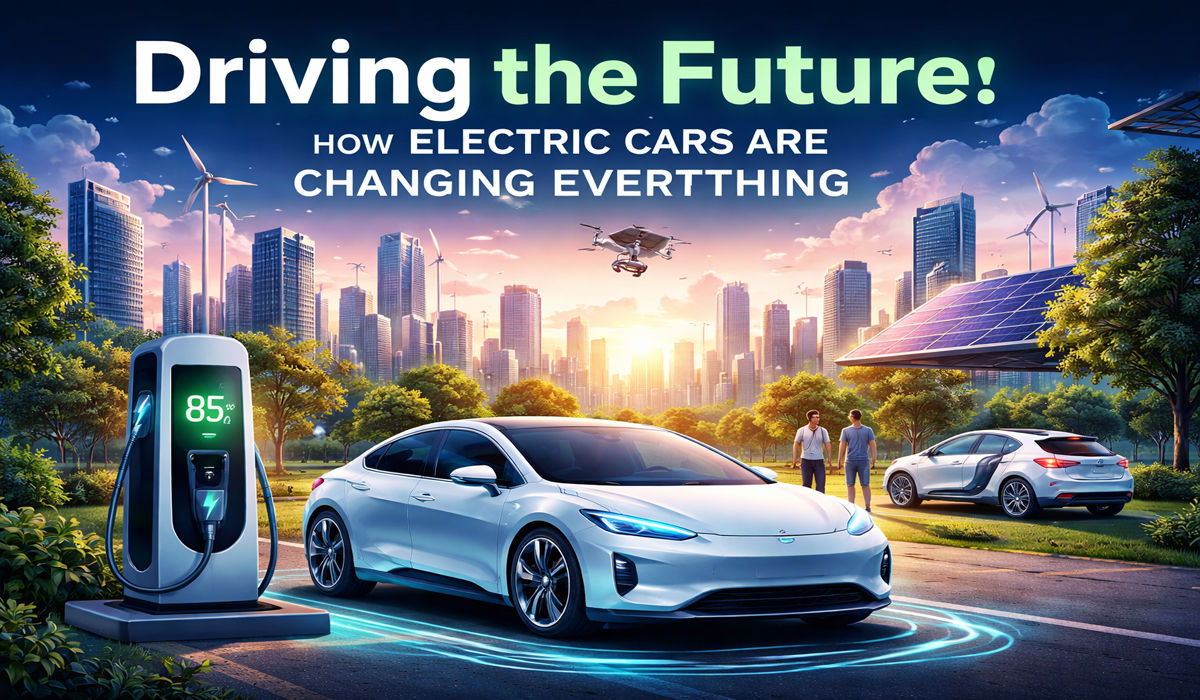
Electric vehicles are growing faster than ever as people look for cleaner and smarter ways to travel.
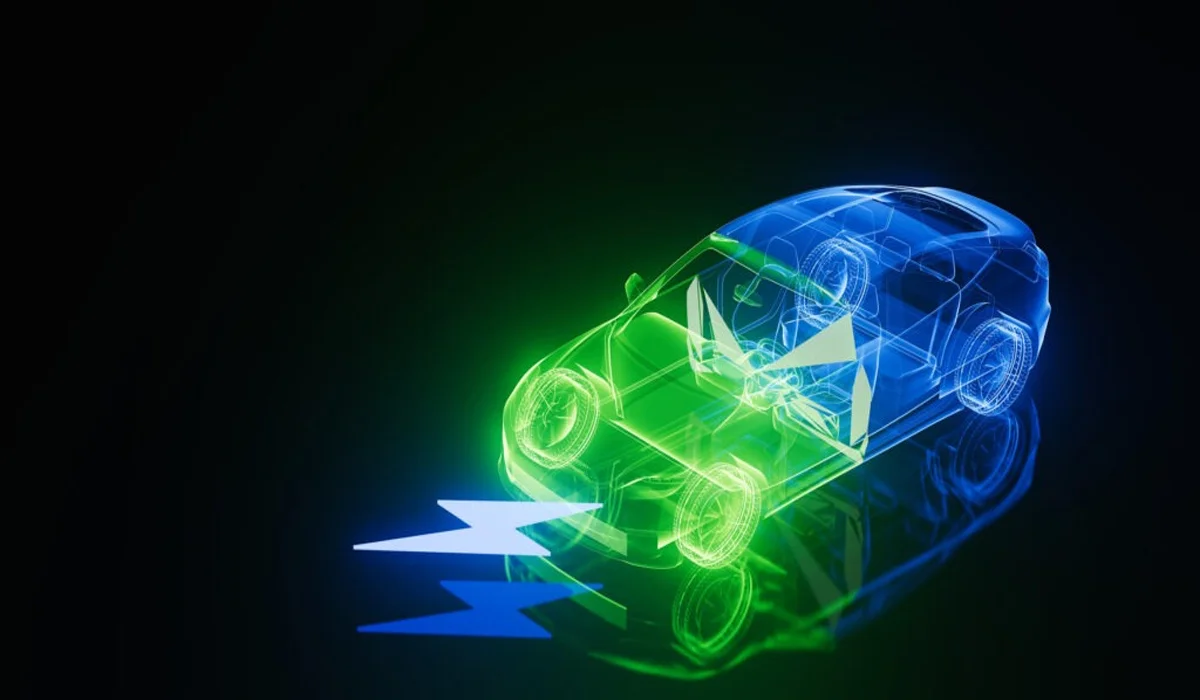
At the heart of this transformation is battery technology, which determines how far an electric car can go, how fast it can charge, and how affordable it can become. Recent innovations in battery development are not only improving vehicle performance but also shaping the future of the global automotive industry. These innovations are reshaping the way we move, opening the door to cleaner, smarter, and more energy-efficient transportation. At The Green Motorist, we explore how electric vehicles and breakthrough battery technologies are accelerating the clean energy revolution and redefining the future of mobility.
The Rise of Next-Generation Batteries
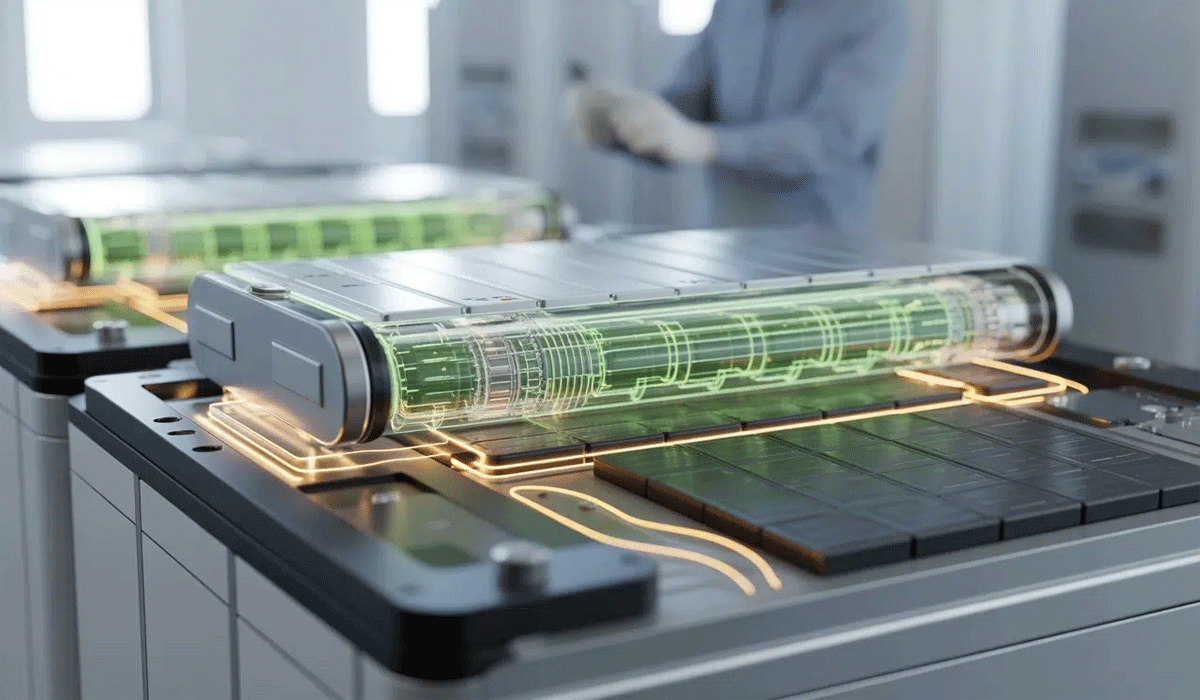
Battery technology has entered a new era with the development of higher energy-density cells. These advanced batteries can store more power in a smaller size, allowing electric vehicles to travel longer distances on a single charge.
One major breakthrough is the solid-state battery, which replaces liquid electrolytes with solid materials. This design improves safety by reducing the risk of overheating and fire, while also increasing battery lifespan.
Manufacturers are also exploring alternative materials such as silicon and lithium iron phosphate. These materials help lower production costs and reduce dependence on rare resources, making electric vehicles more accessible to the public.
Faster Charging for Everyday Use
Charging time has long been a concern for electric vehicle users. Today, fast-charging technology is changing that perception by allowing batteries to reach 80 percent capacity in under 30 minutes.
This progress is supported by smart battery management systems that control heat and power flow during charging. These systems protect battery health while delivering faster and safer charging experiences.
Wireless charging is another exciting innovation now being tested. Drivers simply park over a charging pad, eliminating cables and making daily charging more convenient and user-friendly.
Sustainability at the Core of Battery Design
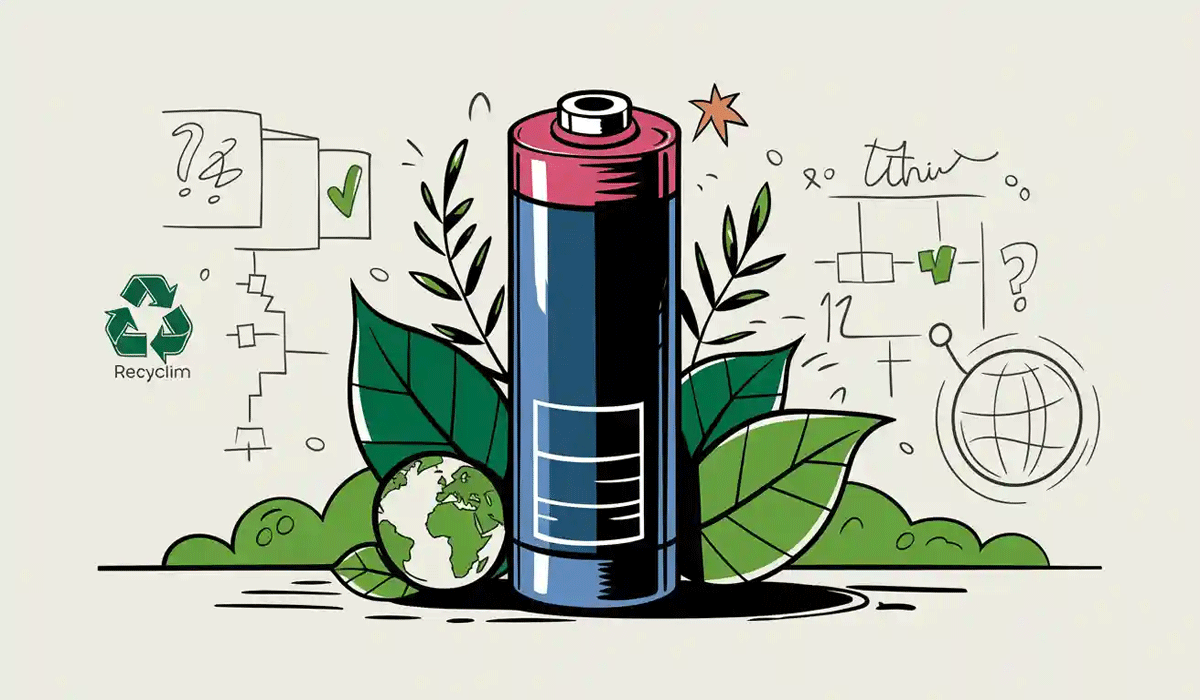
While electric vehicles reduce emissions, battery production and disposal still raise environmental concerns. To address this, companies are focusing on sustainable battery life cycles.
Modern recycling technologies can recover valuable materials such as lithium, nickel, and cobalt from used batteries. This reduces waste and limits the environmental impact of mining new resources.
Another solution is second-life battery use. Even after their automotive life ends, batteries can store energy for solar panels or backup power systems, extending their usefulness and supporting clean energy systems.
Impact on the Automotive Industry
Battery innovation is lowering the overall cost of electric vehicles. As batteries become cheaper and more efficient, manufacturers are accelerating the shift away from fossil-fuel-powered cars.
Consumers are responding positively to these changes. Longer driving range, shorter charging times, and improved safety are increasing confidence in electric vehicles worldwide.
At the same time, new industries are emerging around battery production, charging infrastructure, and recycling. This growth is creating jobs and strengthening the green technology economy.
A Roadmap to the Electric Future
Battery innovation is more than a technical upgrade; it is the foundation of the electric mobility revolution. Each advancement brings electric vehicles closer to becoming the global standard for transportation.
Collaboration between governments, researchers, and private companies plays a crucial role in accelerating progress. Supportive policies and continued investment help turn innovation into real-world solutions.
As battery technology continues to evolve, electric vehicles are set to become safer, cleaner, and more affordable. These innovations are powering not just cars, but a more sustainable future for generations to come.