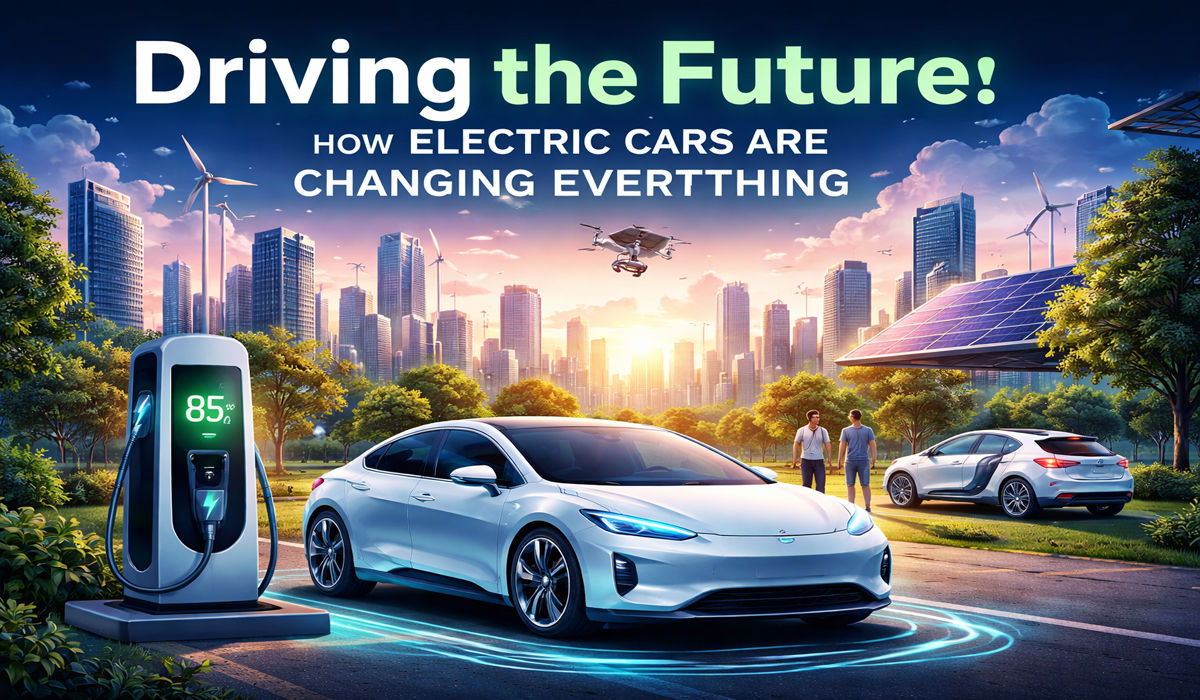
Electric Vehicles The Future of Environmentally Friendly Transportation
The development of vehicle technology has undergone significant changes in recent decades, most prominent innovation being electric vehicles.
These vehicles are considered a more environmentally friendly solution for future transportation. Unlike fossil-fueled vehicles, electric vehicles rely on cleaner sources of electrical energy, thus minimizing the potential for air pollution. Check out the complete facts about Electric Vehicles, only at The Green Motorist.
Definition and Types of Electric Vehicles
An electric vehicle is a vehicle that uses an electric motor as its primary propulsion. The energy source for this vehicle comes from a battery that can be recharged via the electricity grid. Based on how they operate, electric vehicles can be divided into three main types Battery Electric Vehicles (BEVs), which are powered entirely by electric batteries Plug-in Hybrid Electric Vehicles (PHEVs), which use a combination of a gasoline engine and an electric motor and Hybrid Electric Vehicles (HEVs).
Which use both a gasoline engine and an electric motor but do not require recharging via an electrical outlet. Each type has advantages and disadvantages. BEVs offer zero emissions while in use, but require adequate battery charging infrastructure. PHEVs offer flexibility because they can run on fossil fuels if the electricity runs out. HEVs, on the other hand, are more efficient for short and medium distances, but still produce emissions from internal combustion engines.
Environmental Benefits of Electric Vehicles
One of the main reasons for the rise of electric vehicles is their environmental impact. Electric vehicles produce lower emissions than fossil-fueled vehicles. Widespread adoption of electric vehicles can reduce air pollution in large cities and reduce the amount of greenhouse gases released into the atmosphere.
Furthermore, electric vehicles are also more energy efficient. Electric motors can convert energy into motion more efficiently than internal combustion engines. This process reduces energy waste and the use of fossil fuels, allowing for more efficient use of limited natural resources.
Read Also: Harley-Davidson Motorcycle Exhibition Amazes Automotive Lovers
Infrastructure and Technology Challenges

Despite the clear benefits, the adoption of electric vehicles still faces several challenges. One major issue is the limited battery charging infrastructure. In many regions, charging stations are still limited, making long-distance travel impractical. Solutions being developed include fast charging and a wider network of charging stations.
Furthermore, battery technology is also a focus of development. Lithium-ion batteries are currently the most commonly used, but they have limitations in capacity and lifespan. Research is ongoing to develop batteries that are more efficient, charge faster, last longer, and are environmentally friendly in their production processes.
Economic and Industrial Impact
The transition to electric vehicles has had a significant impact on the economy and the automotive industry. Vehicle manufacturers have begun shifting investment from internal combustion engines to electric technology. The battery, charging station, and supporting technology industries are also growing rapidly, creating new jobs and economic opportunities.
Furthermore, the operating costs of electric vehicles tend to be lower than those of conventional vehicles. Electric motors are simpler to maintain because they have fewer wearable components, such as oil and filters. Higher energy efficiency also reduces fuel costs.
The Future of Green Transportation
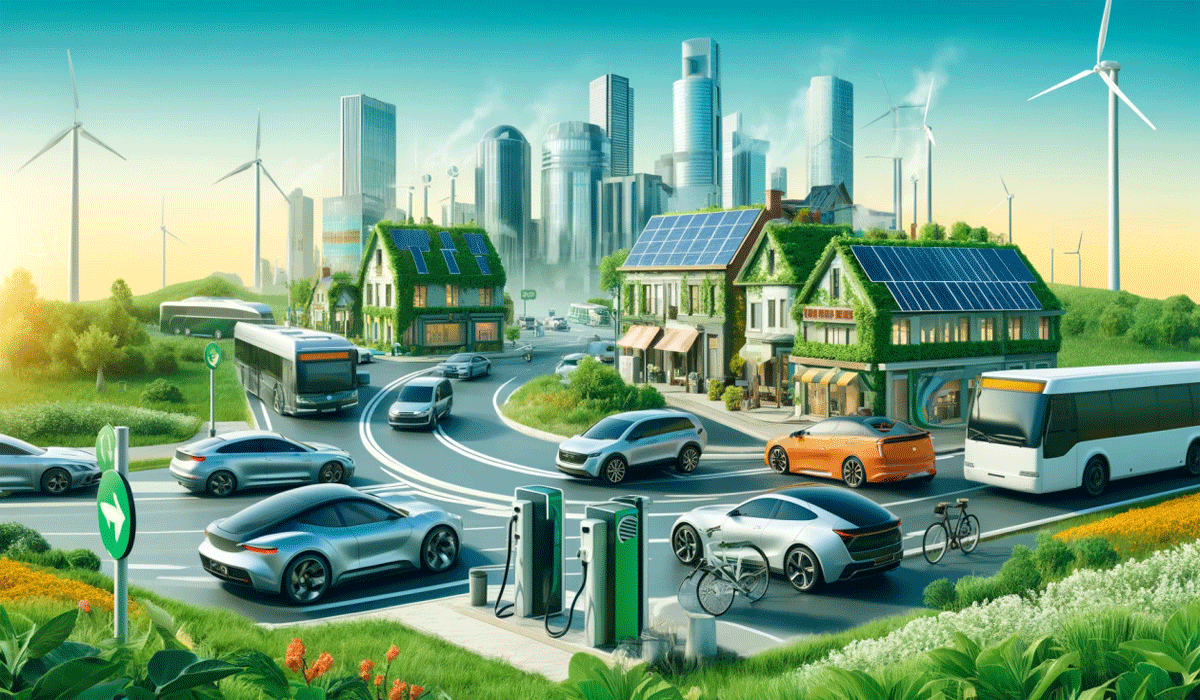
Electric vehicles are becoming an important part of the vision of a more environmentally friendly future for transportation. With increasing awareness of climate change, various countries are setting emission reduction targets and encouraging the use of electric vehicles through tax incentives, subsidies, and environmental regulations.
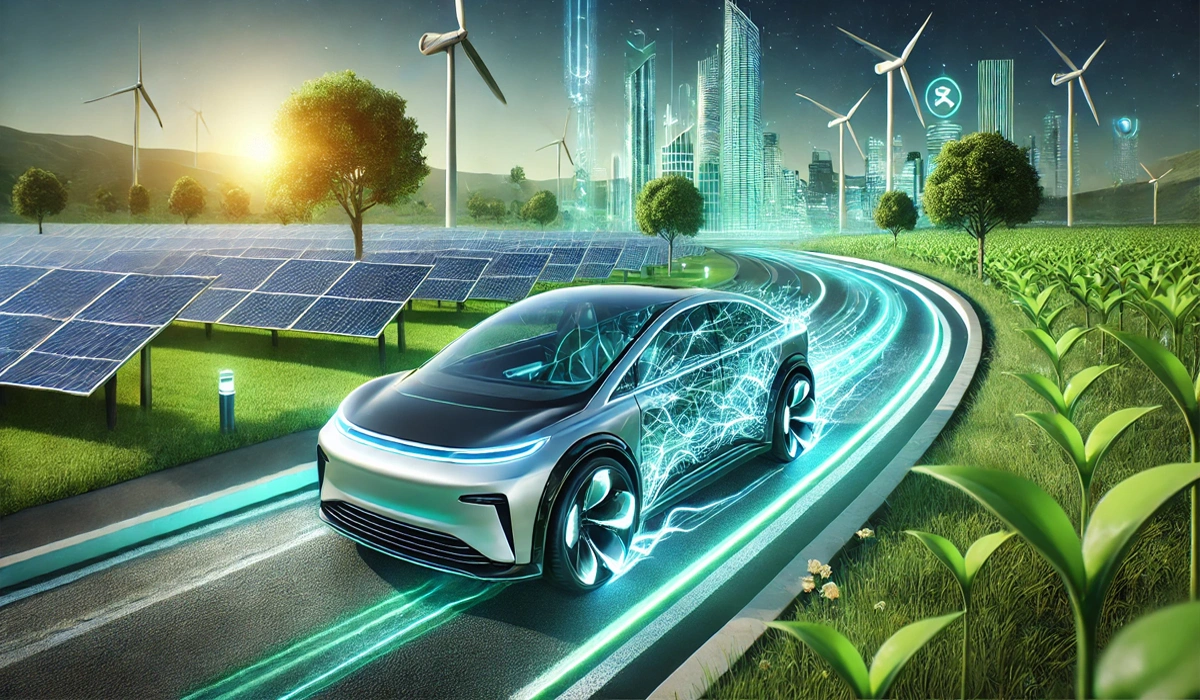
Electric vehicle technology also continues to evolve. The integration of electric vehicles with renewable energy, such as solar panels and green power plants, will further reduce the carbon footprint. Intelligent transportation systems, based on electric vehicles and the digitalization of transportation, also open up opportunities for more efficient, safe, and sustainable mobility. Thank you for taking the time to find out interesting information about Electric Vehicles in The Green Motorist, we will provide lots of other information.
Image Information Source:
First Image from: harrityllp.com
Second Image from: invensis.net