Electric Vehicles, Driving the Green Revolution in Transportation
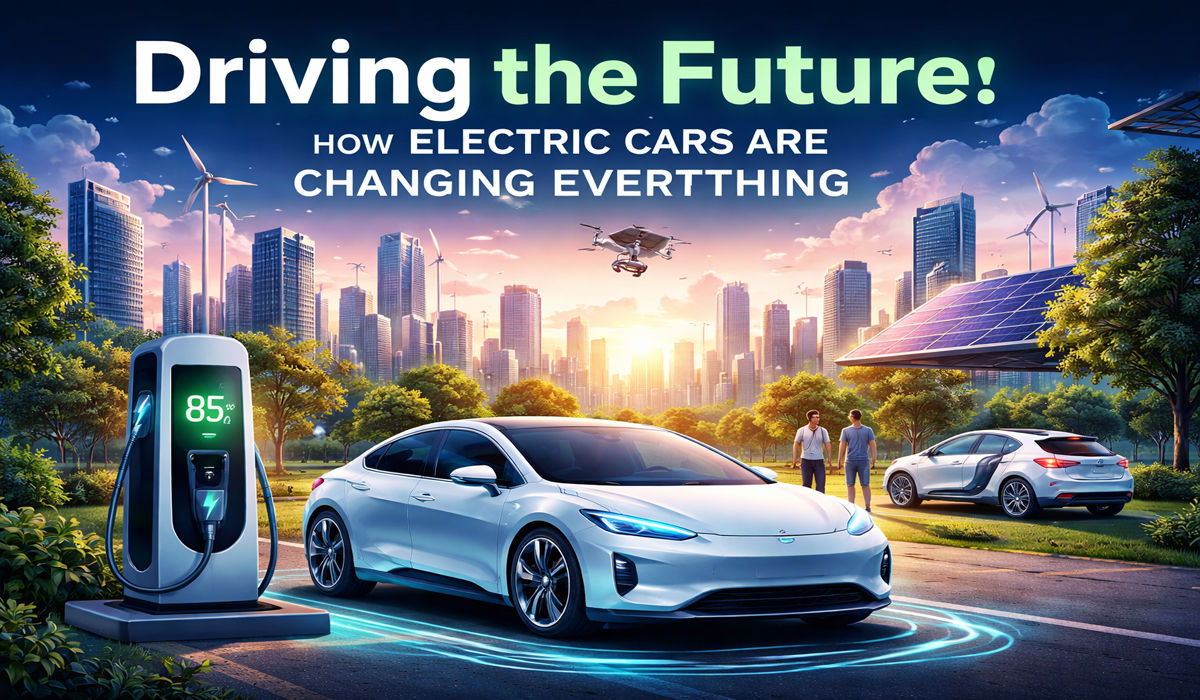
Electric vehicles (EVs) are no longer just a futuristic concept, they are reshaping the way the world moves.
As awareness of climate change and air pollution rises, EVs have emerged as cleaner and more efficient alternatives to traditional gasoline-powered vehicles.
This article, The Green Motorist will explores key aspects of electric vehicles, including how they work, environmental benefits, hybrid options, challenges, and their future in Indonesia and globally.
Understanding Electric Vehicles and How They Work
Electric vehicles run entirely on electricity stored in rechargeable batteries. Unlike conventional cars that rely on internal combustion engines, EVs use electric motors to power the wheels. The type of battery, such as lithium-ion, plays a crucial role in determining range, performance, and efficiency.
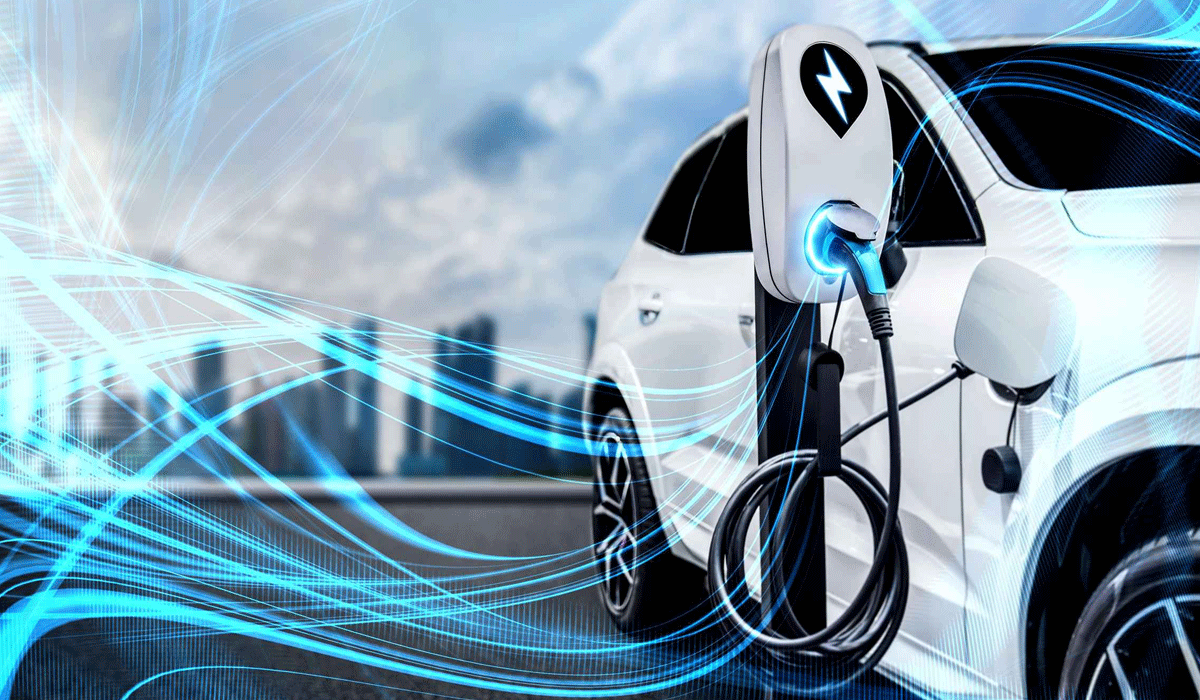
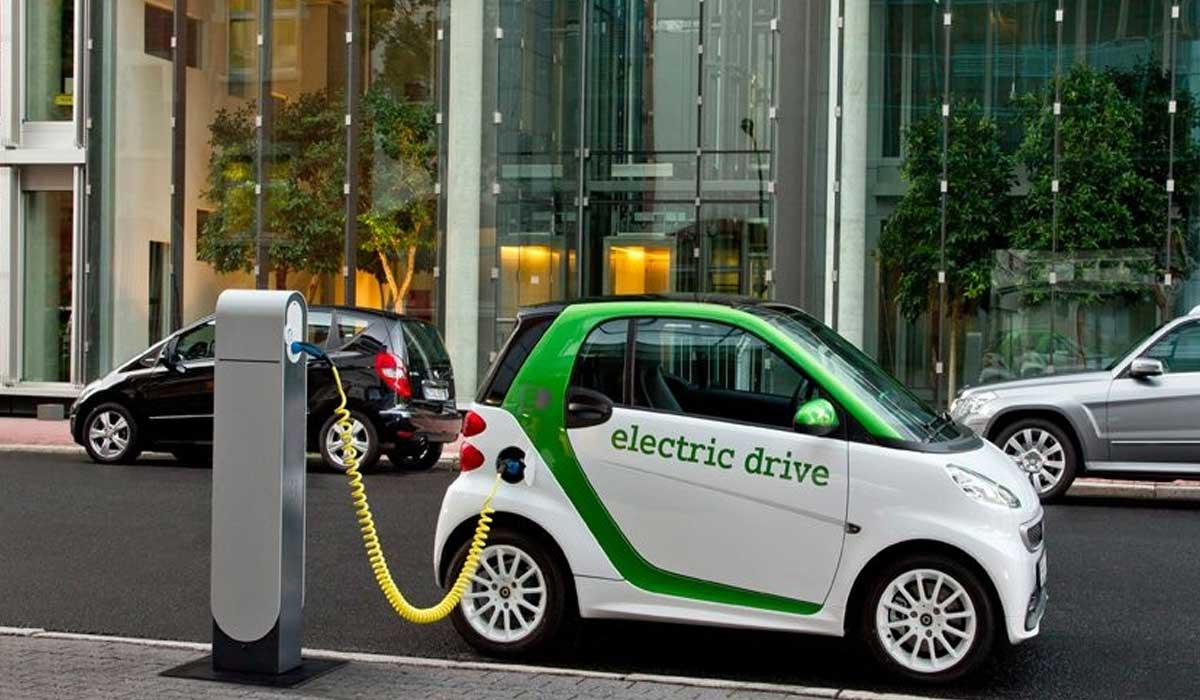
Charging options for EVs vary widely. Drivers can charge at home using standard outlets or use fast-charging stations in urban areas. This flexibility makes EVs convenient for daily commuting. Manufacturers are continuously improving battery technology to extend driving range and reduce charging times, making EVs more practical for longer trips.
Additionally, EVs operate quietly and require less maintenance compared to traditional cars. With fewer moving parts in the motor, the risk of mechanical issues is lower, which further boosts their appeal for modern drivers seeking reliability and simplicity.
Environmental Benefits of Electric Vehicles
One of the main reasons people adopt electric vehicles is their positive impact on the environment. EVs produce zero direct carbon emissions, unlike gasoline or diesel vehicles. This reduces urban air pollution, improving public health and lowering the risk of respiratory illnesses.
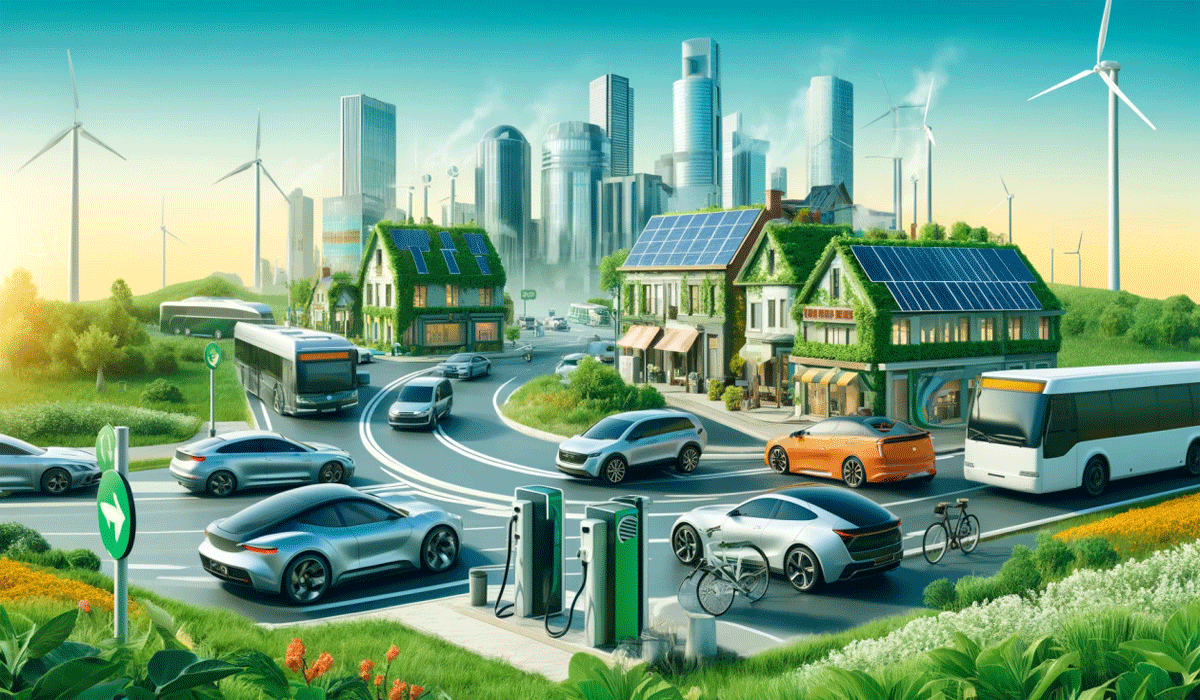
Moreover, EVs can be powered by renewable energy sources such as solar or wind. This reduces dependence on fossil fuels and decreases greenhouse gas emissions over the vehicle’s lifetime. By shifting transportation to cleaner energy, EVs contribute significantly to global efforts to combat climate change.
Electric vehicles also offer quieter operation, reducing noise pollution in cities. Combined with lower overall energy consumption, EVs represent a sustainable and practical solution for eco-conscious consumers who want to minimize their environmental footprint.
Hybrid Vehicles , The Bridge to a Greener Future
Hybrid vehicles combine an internal combustion engine with an electric motor, offering the best of both worlds. This allows drivers to enjoy electric efficiency on short trips while retaining gasoline power for longer journeys. Hybrids serve as a transition for those who want to adopt cleaner technology without giving up flexibility.
The main advantage of hybrids is fuel efficiency. Gasoline engines only operate when necessary, while electric motors handle stop-and-go traffic. This reduces fuel consumption and emissions while maintaining a comfortable and familiar driving experience.
Many hybrid models also feature regenerative braking, which captures energy during braking to recharge the battery. This innovation further increases efficiency and highlights how hybrid technology bridges the gap between traditional vehicles and full EV adoption.
Read Also: Discover Smart Ways To Ride Together The Green Motorist
Challenges and Solutions for Electric Vehicles
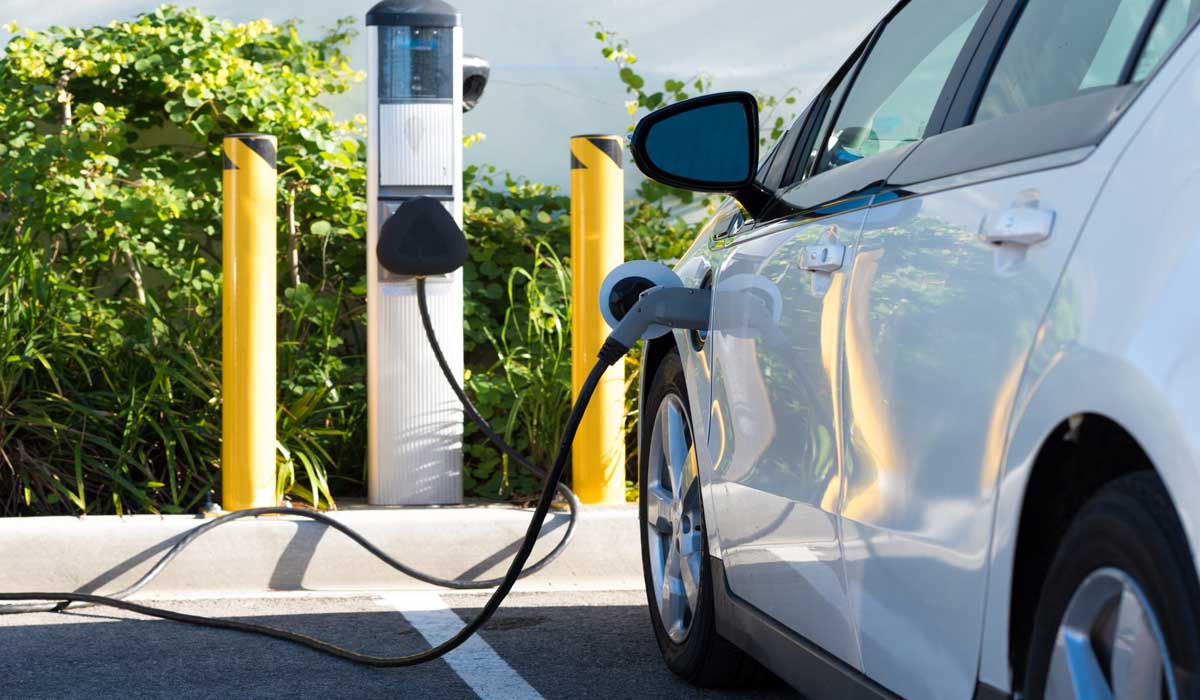
Despite their advantages, electric vehicles face several challenges. Charging infrastructure is not yet widely available, especially in rural areas. Additionally, the upfront cost of EVs remains higher than that of conventional vehicles, which can deter potential buyers.
Governments and automakers are addressing these issues. Fast-charging stations are expanding rapidly, financial incentives are offered to EV buyers, and trade-in programs encourage switching from older cars. Continuous innovation in battery technology is also expected to reduce production costs and improve driving range, making EVs increasingly accessible.
Public awareness campaigns and educational initiatives are helping consumers understand the benefits of EVs, from cost savings to environmental impact. As infrastructure and technology improve, the adoption rate of electric vehicles is expected to accelerate globally.
The Future of Electric Vehicles in Indonesia and Beyond
Globally, electric vehicles are predicted to dominate the automotive market within the next decade. Countries such as Norway, China, and the United States are phasing out fossil fuel vehicles, pushing manufacturers to prioritize EV innovation and advanced battery development.
In Indonesia, EV adoption is gaining momentum. The government offers tax incentives and is investing in charging infrastructure. Auto shows and exhibitions increasingly showcase electric vehicles, allowing consumers to experience the technology firsthand.
As environmental awareness grows, electric vehicles are poised to play a central role in Indonesia’s transportation ecosystem. With continued investment in technology and infrastructure, EVs are not just a trend they are the future of sustainable mobility.
Stay tuned and don’t miss out on guides about The Green Motorist worldwide that can expand your knowledge.
Image Source:
- First Image from greencarreports.com
- Second Image from whyy.org