Electric Vehicles and Their Impact on Air Pollution: A Guide for Green Drivers
As environmental concerns grow and cities grapple with poor air quality, electric vehicles (EVs) are emerging as a popular eco-friendly solution.
Unlike traditional gasoline-powered cars, electric vehicles (EVs) produce zero exhaust emissions, offering a cleaner alternative for urban transportation. However, understanding their true environmental impact requires a closer look at the entire EV lifecycle, from manufacturing to power generation.
Below, The Green Motorist will help environmentally conscious drivers make informed choices about EVs and their contribution to reducing air pollution.
How Electric Vehicles Reduce Air Pollution
Electric vehicles do not emit harmful gases like nitrogen oxides (NOx) or particulate matter (PM) during operation, which are major contributors to smog and respiratory problems. By replacing gasoline or diesel cars with EVs, cities can experience noticeable improvements in air quality, especially in congested urban areas.
Furthermore, EVs eliminate carbon monoxide emissions at the tailpipe, a pollutant linked to cardiovascular issues. Reduced reliance on internal combustion engines also decreases the overall presence of volatile organic compounds (VOCs) in the air, which contribute to ground-level ozone formation.
The Role of Electricity Sources
While EVs themselves are emission-free on the road, the environmental benefits depend largely on how electricity is generated. Charging from renewable sources such as solar, wind, or hydro leads to a significant reduction in overall carbon footprint. Conversely, electricity from coal-fired plants can offset some of the pollution benefits.
Smart charging strategies, like charging during periods of low grid demand or using green energy plans, can maximize the environmental advantages. Drivers should check local utility programs that support clean energy and consider home solar installations for a more sustainable setup.
Read Also: Electric Dreams: BAIC Indonesia Launches Arcfox T1 For The Local Market
Battery Production and Environmental Considerations
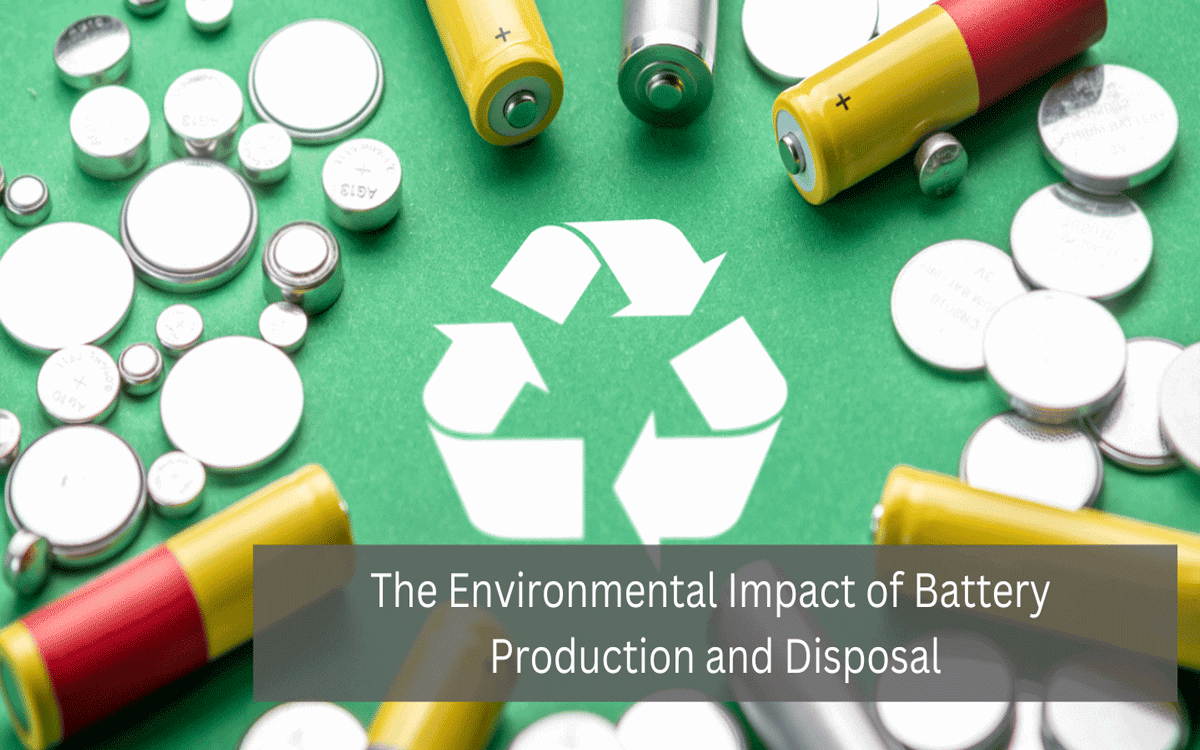
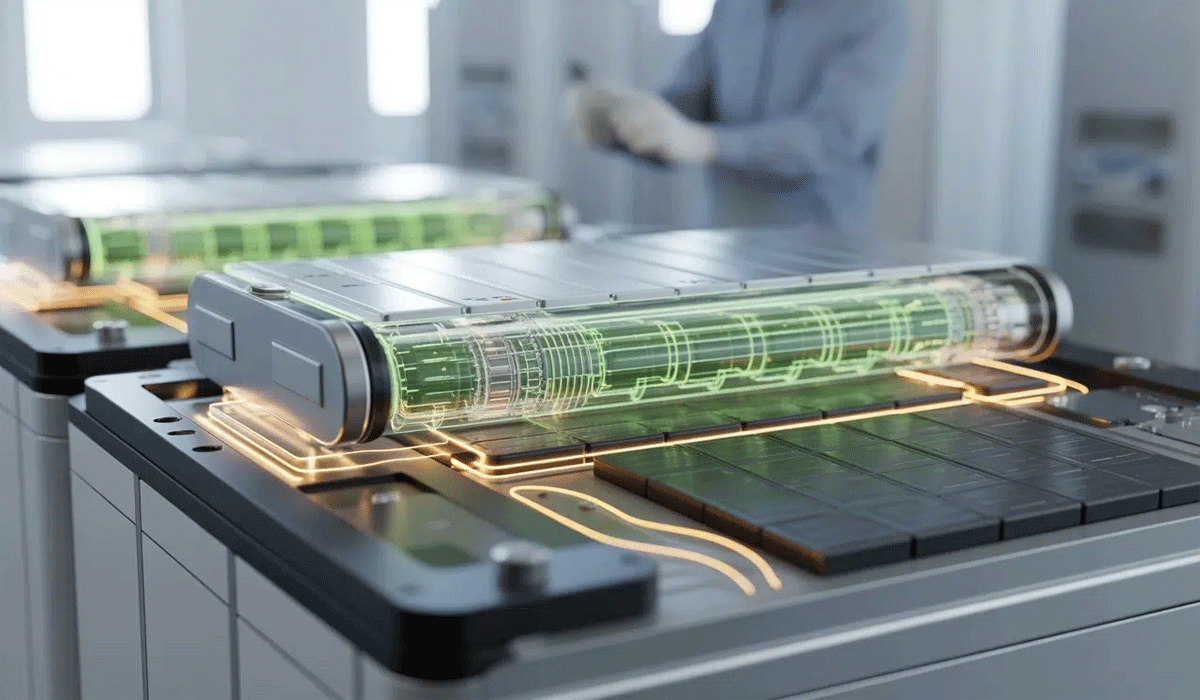
Manufacturing EV batteries, especially lithium-ion types, requires mining and processing metals like lithium, cobalt, and nickel, which can create environmental impacts. These include habitat disruption, water consumption, and localized air pollution during extraction.
However, advances in battery recycling, sustainable mining practices, and the development of solid-state batteries are helping reduce these impacts. Choosing EVs from manufacturers committed to responsible sourcing can make a meaningful difference in overall environmental sustainability.
Health Benefits of Cleaner Air
By reducing air pollutants, EVs contribute to better public health outcomes. Cleaner air can lower rates of asthma, bronchitis, and other respiratory illnesses, particularly in vulnerable populations such as children and the elderly.
Moreover, fewer airborne pollutants mean a reduction in cardiovascular diseases linked to long-term exposure to particulate matter. Communities with higher EV adoption often report improved quality of life and lower healthcare costs related to pollution-induced illnesses.
Complementary Actions for Green Drivers
Driving an EV is only one step toward reducing air pollution. Complementary actions, like carpooling, using public transport, or biking for short trips, amplify the benefits. Combining EV use with energy-efficient driving habits, such as maintaining moderate speeds and minimizing rapid acceleration, further reduces electricity consumption and indirectly decreases emissions from power generation.
Green drivers can also support policies promoting EV infrastructure, like expanding charging networks and incentivizing renewable energy usage. Community-level initiatives can accelerate the shift toward cleaner transportation and maximize the air quality improvements from EV adoption.
Looking Ahead The Future of EVs and Air Quality
The transition to electric vehicles is expected to grow rapidly, driven by technological improvements, government incentives, and increasing consumer awareness. With advancements in battery technology and the expansion of renewable energy grids, EVs are set to become an even more effective tool against air pollution.
The environmental benefits of EVs depend on how electricity is generated. Renewable energy like solar or wind maximizes their green impact, while coal-generated electricity reduces it. The Green Motorist
Image Source:
- First Image from: The Green Motorist
- Second Image from: renewablesadvice.com