Advantages and Disadvantages of Electric Vehicles
Electric vehicles (EVs) are no longer a futuristic concept; they are becoming a common sight on roads around the world.
Governments, manufacturers, and consumers are increasingly embracing electric mobility as part of a broader shift toward sustainability. The Green Motorist highlights that while EVs offer many benefits, they also present certain challenges. Understanding both sides is essential for making informed decisions about transportation in the modern era.
Environmental Benefits and Hidden Impacts
One of the main advantages of electric vehicles is their potential to reduce greenhouse gas emissions. Unlike traditional gasoline-powered cars, EVs produce zero tailpipe emissions. Brands such as Tesla have demonstrated that electric cars can combine performance with environmental responsibility. When powered by renewable energy sources, EVs can significantly lower the carbon footprint of daily commuting.
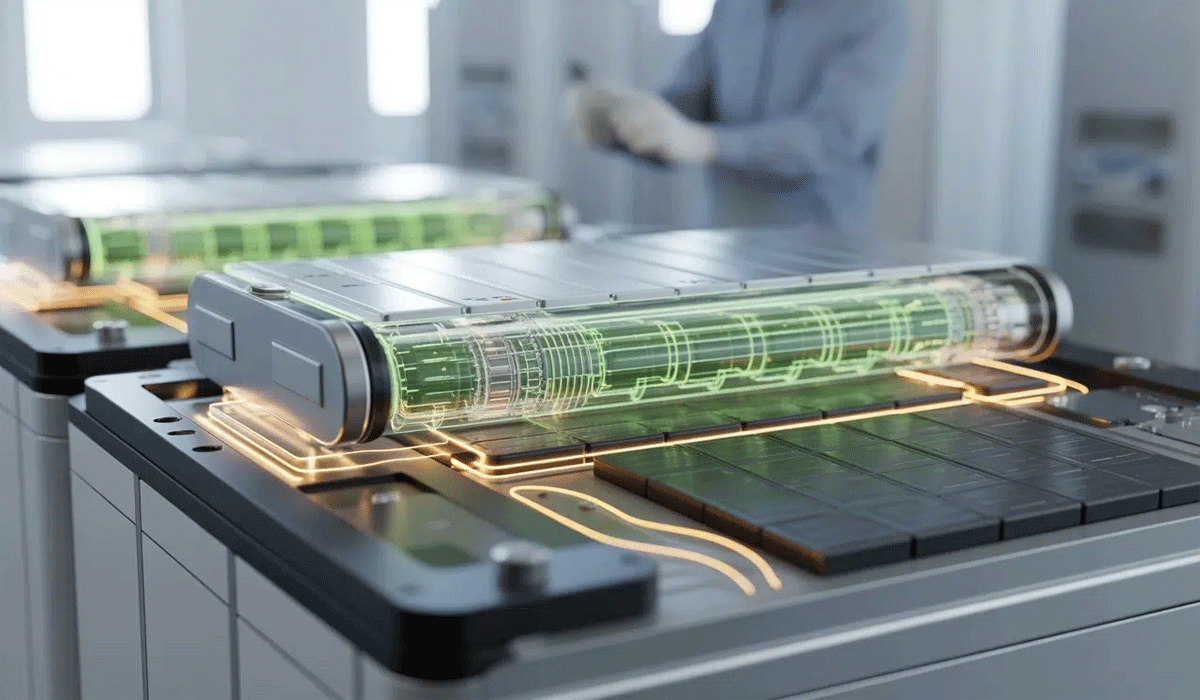
However, the environmental impact of EVs is not entirely neutral. Battery production, especially lithium-ion batteries, requires mining and energy-intensive processes. Manufacturing emissions can be higher compared to conventional cars. Additionally, if electricity comes from coal-based power plants, the overall environmental benefit decreases. Therefore, the true sustainability of EVs depends on energy sources and responsible battery recycling practices.
Lower Operating Costs and Upfront Expenses
Electric vehicles generally offer lower operating costs. Electricity is often cheaper than gasoline, and EVs have fewer moving parts, reducing maintenance expenses. There is no need for oil changes, and braking systems tend to last longer due to regenerative braking. Over time, these savings can make EV ownership financially attractive, especially for daily drivers with predictable travel patterns.
On the other hand, the initial purchase price of an electric vehicle can be significantly higher than that of a comparable gasoline car. Although government incentives and tax credits help offset the cost, not all buyers qualify for them. Battery replacement can also be expensive if it becomes necessary outside warranty coverage. For many consumers, the upfront investment remains a primary concern.
Charging Convenience and Infrastructure Limitations
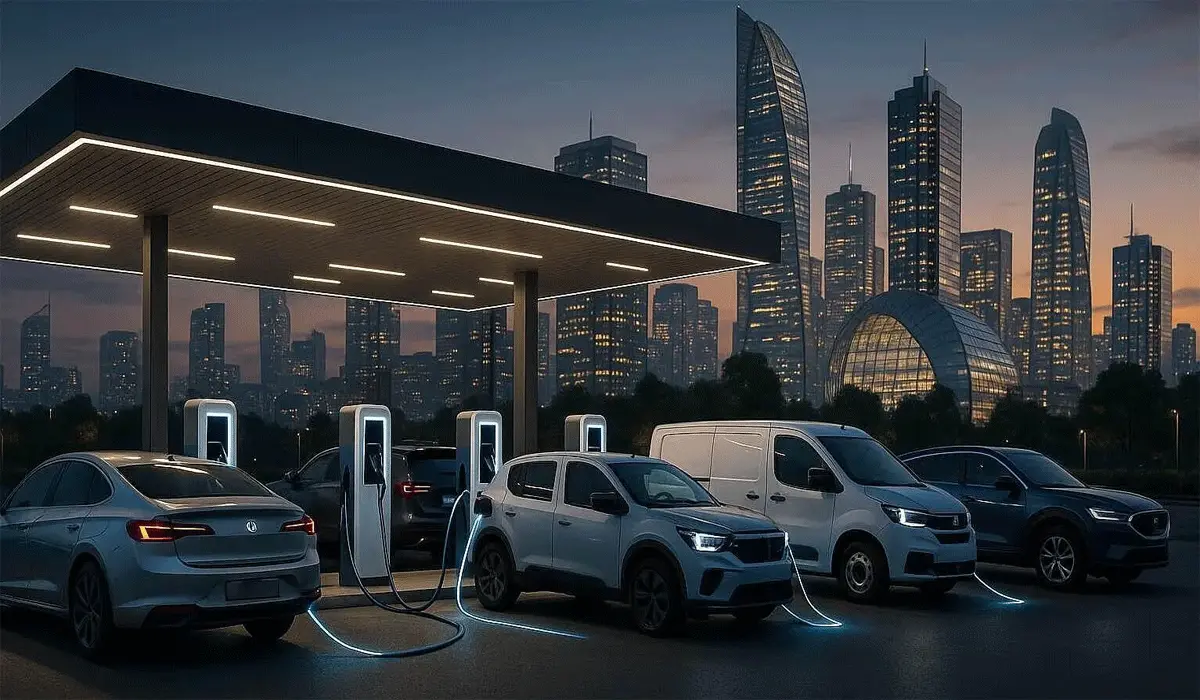
Charging an EV at home is a major convenience for many owners. Instead of visiting gas stations, drivers can plug in overnight and start each day with a full battery. Companies like Nissan have developed user-friendly charging systems that make home charging simple and efficient. Public charging networks are also expanding rapidly in urban areas.
Despite these improvements, charging infrastructure still presents challenges. Rural regions often lack sufficient charging stations, and long-distance travel can require careful route planning. Charging times are generally longer than refueling a gasoline vehicle, especially with standard chargers. Although fast-charging stations reduce waiting times, they are not yet universally available, limiting convenience for some drivers.
Read Also: Driving the Change: The Rise of Electric Vehicles Worldwide
Performance Advantages and Range Anxiety
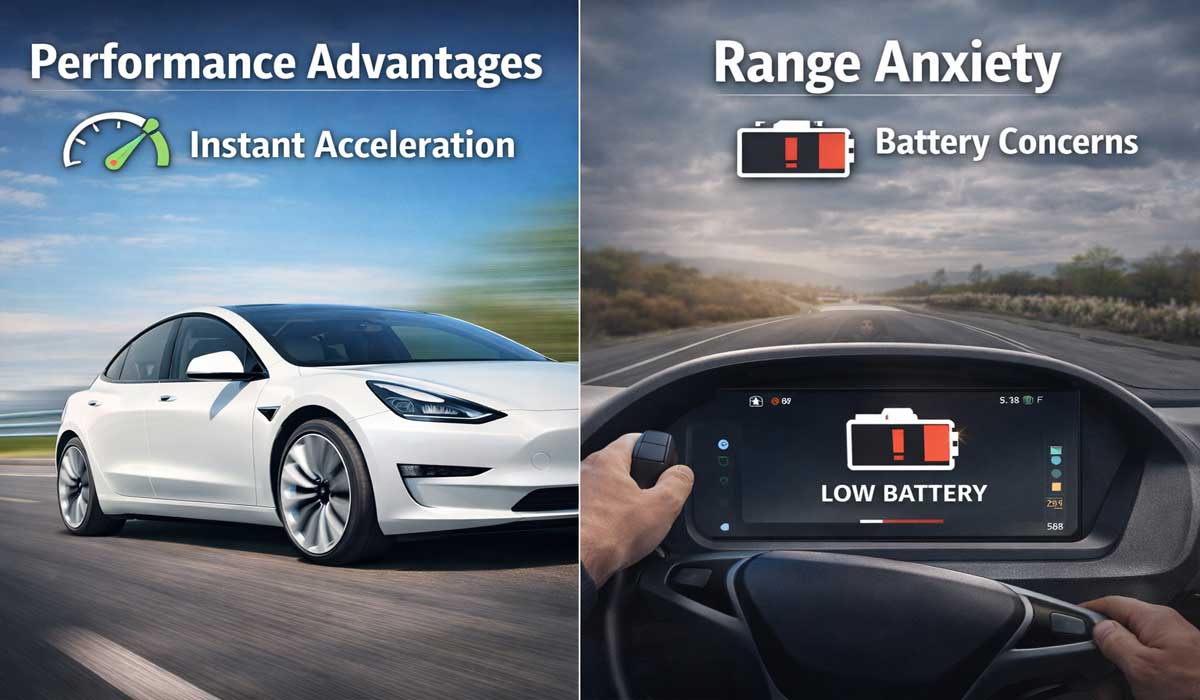
Electric vehicles are known for smooth and instant acceleration. Because electric motors deliver torque immediately, EVs often outperform conventional cars in terms of responsiveness. Models like the Tesla Model 3 demonstrate how electric technology can provide both efficiency and exciting driving dynamics. Quiet operation also enhances comfort and reduces noise pollution in urban environments.
Nevertheless, range anxiety remains a significant psychological barrier. Many drivers worry about running out of battery power before reaching their destination. Although modern EVs offer increasingly competitive ranges, they may still fall short compared to gasoline vehicles in certain conditions. Cold weather can also reduce battery efficiency, further limiting driving distance and increasing concern among potential buyers.
Technological Innovation and Long-Term Uncertainty
Electric vehicles represent a major step forward in automotive innovation. Automakers such as BMW continue to invest in advanced battery technology, autonomous driving features, and smart connectivity systems. EVs often integrate seamlessly with mobile apps, enabling drivers to monitor charging status, plan routes, and manage energy consumption with ease.
However, rapid technological evolution can create uncertainty. As battery technology improves, older models may lose value more quickly. Consumers may hesitate to invest in a vehicle if they believe a better version will soon be available. Additionally, long-term durability and large-scale battery recycling systems are still evolving, raising questions about the full lifecycle impact of electric mobility.
Image Source:
First Image from: thegreenmotorist.com
Second Image from: thegreenmotorist.com