A Fuel-Free Future The World is Moving Toward Electric Vehicles
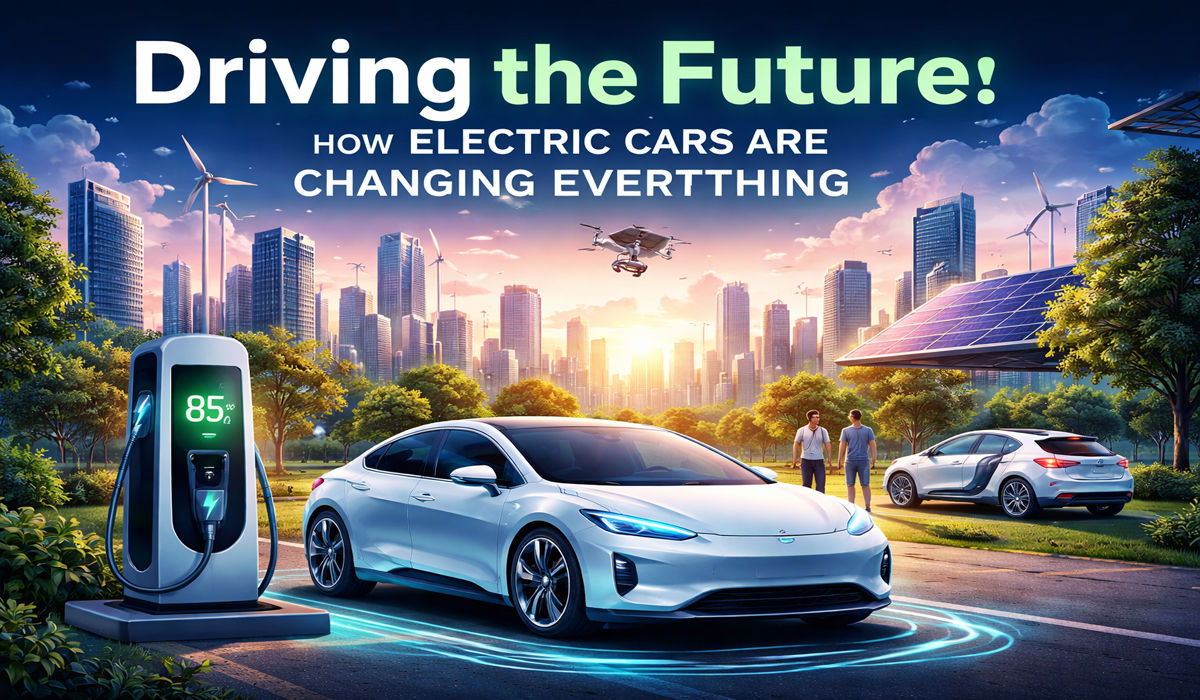
Electric vehicles are paving the way to a future without fossil fuels, delivering clean, energy-efficient transportation and technology.
Major changes are taking place in global transportation. For more than a century, petroleum-fueled vehicles have been the backbone of human mobility. However, now The Green Motorist, growing awareness of climate change, air pollution, and the finite nature of fossil fuels is driving the world to seek more sustainable alternatives. One solution gaining increasing attention is electric vehicles.
Advances in battery technology, government policy support, and growing consumer interest are making electric vehicles increasingly popular in various countries. Many major automotive manufacturers are shifting their focus from internal combustion engines to electric vehicles. This transformation is not only transforming the automotive industry but also has the potential to change the way people move in the future.
Global Shift Towards Green Transportation
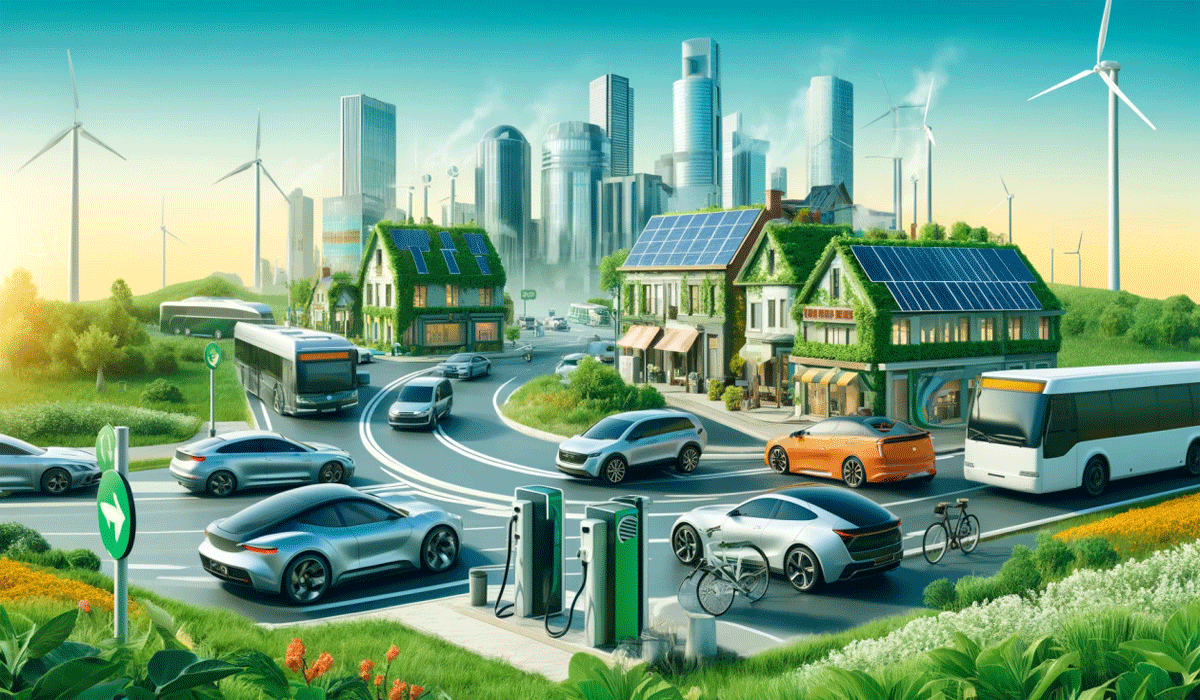
The shift to electric vehicles is part of a global effort to reduce greenhouse gas emissions that contribute to climate change. The transportation sector is known to be one of the largest contributors to carbon emissions worldwide. Fuel-powered vehicles produce carbon dioxide and other pollutants that negatively impact the environment and human health.
Many countries have begun setting ambitious targets to reduce the use of fossil-fueled vehicles. Some even plan to ban the sale of gasoline and diesel cars in the coming decades. This policy is encouraging automotive manufacturers to accelerate the development of electric vehicles and increase investment in environmentally friendly technologies.
Furthermore, international organizations such as the International Energy Agency have reported that electric vehicle sales have increased rapidly in recent years. This indicates that the transition to sustainable transportation is no longer just a concept but has become a growing reality in various parts of the world.
Electric Vehicle Technology Development
Technological advancements are a major factor driving the growth of electric vehicles. One of the most important components is the battery. In recent years, lithium-ion battery technology has seen significant improvements in capacity, efficiency, and production costs. This has made electric vehicles more affordable and capable of longer ranges.
Automotive and technology companies are racing to create new innovations in the electric vehicle sector. Companies like Tesla have been pioneers in introducing electric cars with high performance and advanced technology. Meanwhile, traditional automotive manufacturers such as Toyota and Volkswagen are also beginning to expand their electric vehicle lineups to compete in the global market.
Also Read: 10 Advantages of Hybrid Vehicles That People Rarely Know
Economic Impact and the Automotive Industry
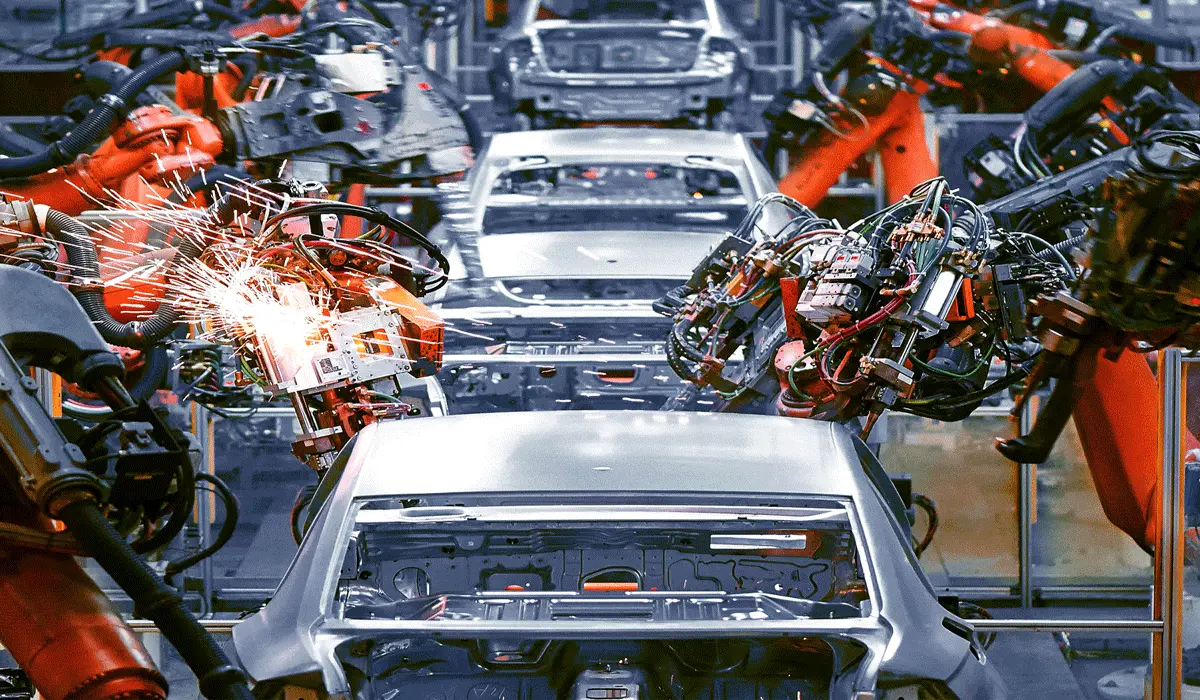
The transition to electric vehicles not only impacts the environment but also brings significant changes to the global automotive industry. Vehicle manufacturers must adapt to new technologies, including battery systems, vehicle software, and electronic components that are more complex than conventional engines.
This change also opens up new economic opportunities. The battery, renewable energy, and charging technology industries are experiencing rapid growth. Many new companies are emerging to support the electric vehicle ecosystem, from battery manufacturers to smart vehicle software developers.
Challenges and the Future of Electric Vehicles
While electric vehicles offer many advantages, several challenges remain. One major challenge is the availability of raw materials for batteries, such as lithium, cobalt, and nickel. The increasing demand for these materials can put pressure on the global supply chain.
Furthermore, the battery production process requires significant energy and resources. Therefore, many researchers and companies are developing battery technologies that are more environmentally friendly and can be recycled more efficiently.
Charging Infrastructure is Key to Electric Vehicle Development
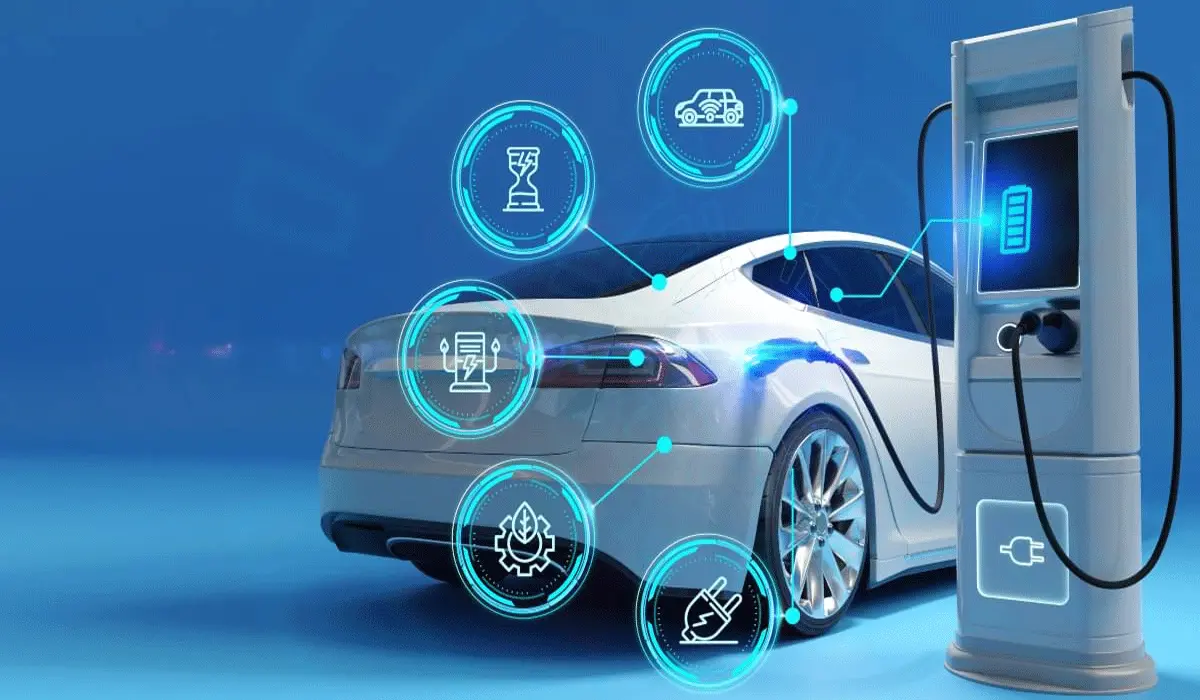
The development of electric vehicles depends not only on the car technology itself, but also on the availability of charging infrastructure. Without an adequate charging network, the widespread use of electric vehicles will struggle. Therefore, many countries have begun building charging stations in various locations such as shopping malls, public parking areas, toll roads, and even residential areas. Thank you for taking the time to explore interesting information about Electric Vehicles in The Green Motorist, we will provide much more information.
Image Information Source:
First Image: currencytransfer.com
Second Image: economictimes.indiatimes.com