The Technology Behind Electric Vehicles: From Batteries To Motors
Discover the technology behind electric vehicles, from advanced batteries to efficient motors, shaping the future of modern transport.
Electric vehicles (EVs) are revolutionizing the way we think about transportation. Beyond their eco-friendly image, the real innovation lies in the sophisticated technologies that make them efficient, reliable, and increasingly accessible. From high-capacity batteries to advanced electric motors, understanding the mechanics behind EVs helps us appreciate the engineering marvels driving this shift The Green Motorist.
Battery Technology The Heart Of EVs
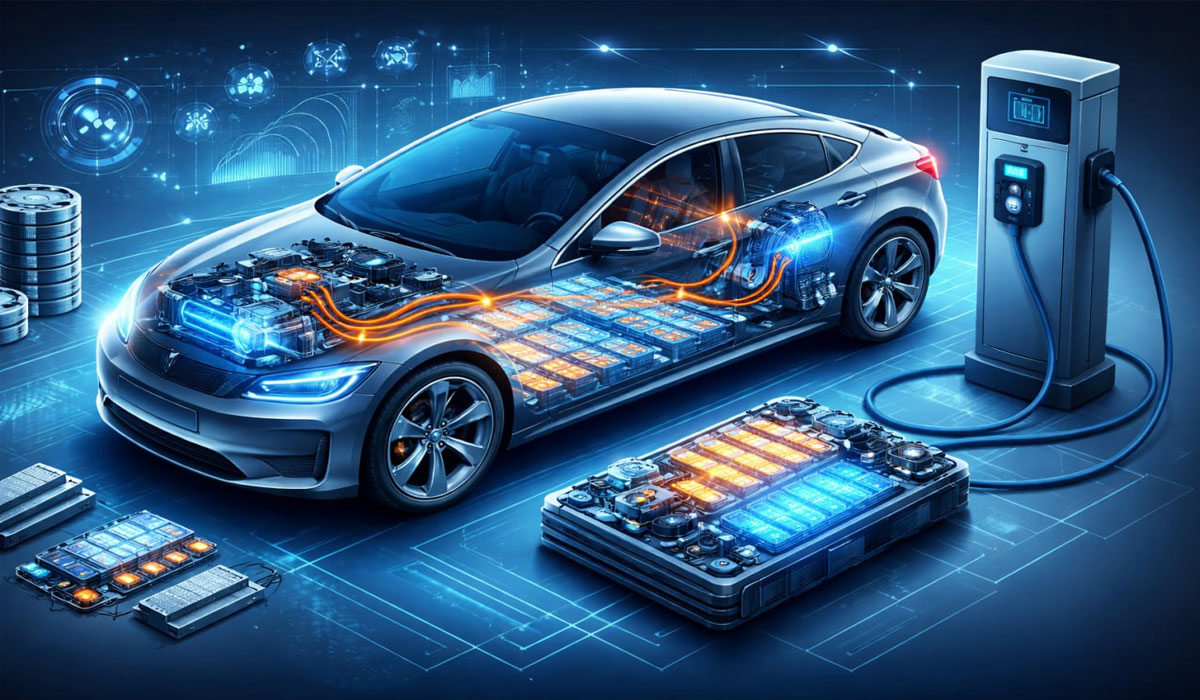
At the center of every electric vehicle is its battery. Modern EVs primarily use lithium-ion batteries due to their high energy density, long lifespan, and consistent performance. These batteries store electrical energy that powers the motor, climate control, infotainment, and safety systems.
Recent developments in battery chemistry, such as solid-state and lithium-iron-phosphate designs, enhance safety, charging speed, and durability. As a result, EVs now offer longer ranges, making them suitable for both daily commuting and long-distance travel.
Electric Motors Efficient Power Conversion
Electric motors convert stored electricity directly into motion with remarkable efficiency. Unlike internal combustion engines, which waste energy through heat and friction, electric motors can operate at efficiency levels above 90 percent.
EVs commonly use induction motors or permanent magnet synchronous motors. Induction motors are robust and simple, while permanent magnet motors deliver high torque and consistent efficiency across speeds. The type of motor impacts acceleration, responsiveness, and driving comfort.
Also Read: The Future Of Electric Vehicles In Modern Transportation
Power Electronics Connecting Battery And Motor
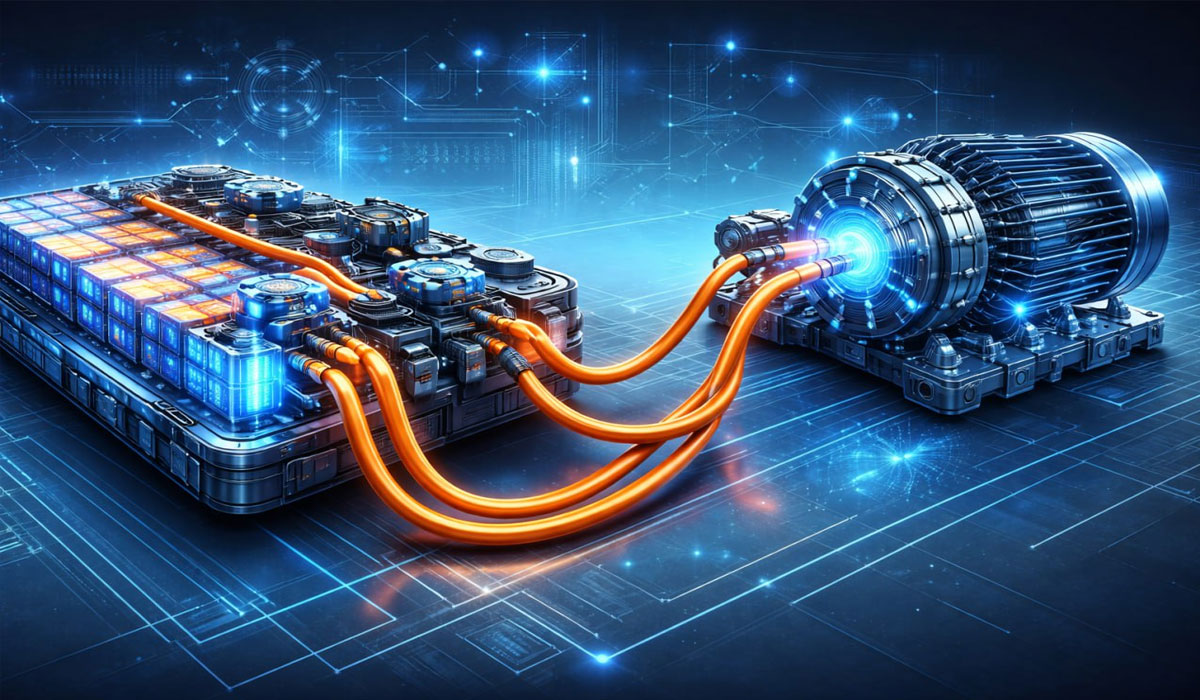
Power electronics manage the flow of electricity between the battery and the motor. Inverters, DC-DC converters, and motor controllers regulate voltage and current to ensure optimal operation. Advanced algorithms optimize power delivery for efficiency and performance while supporting features like regenerative braking, which captures energy during deceleration.
These systems allow precise torque control, smooth acceleration, and reliable operation under various driving conditions. Power electronics are essential for integrating advanced driver-assistance features, enhancing safety and responsiveness on the road.
Charging Infrastructure Making EVs Practical
Widespread adoption of EVs depends on a strong charging network. Home chargers provide convenient overnight charging, while public fast chargers minimize downtime on longer journeys.
Ultra-fast DC chargers can restore significant battery capacity in minutes, making long-distance travel feasible. Smart charging systems, including vehicle-to-grid (V2G) technology, allow EVs to interact with the power grid, supporting energy management and reducing strain on electricity networks.
Thermal Management Ensuring Safety And Longevity
Effective thermal management ensures that batteries and motors operate within safe temperature ranges. Overheating can reduce performance, shorten component life, and compromise safety.
EVs employ advanced cooling systems, heat pumps, and thermally conductive materials to maintain optimal temperatures. Proper thermal regulation ensures consistent acceleration, long-lasting battery performance, and reliable operation in extreme climates.
Conclusion
Electric vehicles represent a sophisticated integration of batteries, motors, power electronics, and thermal systems. Each component contributes to efficiency, reliability, and sustainability.
Continuous innovations in battery technology, motor design, and charging infrastructure make EVs increasingly practical for everyday use. By reducing emissions and improving energy efficiency, electric vehicles are shaping a cleaner, smarter, and more technologically advanced future for transportation worldwide.
Image Source:
First Image: thegreenmotorist.com
Second Image: thegreenmotorist.com
